
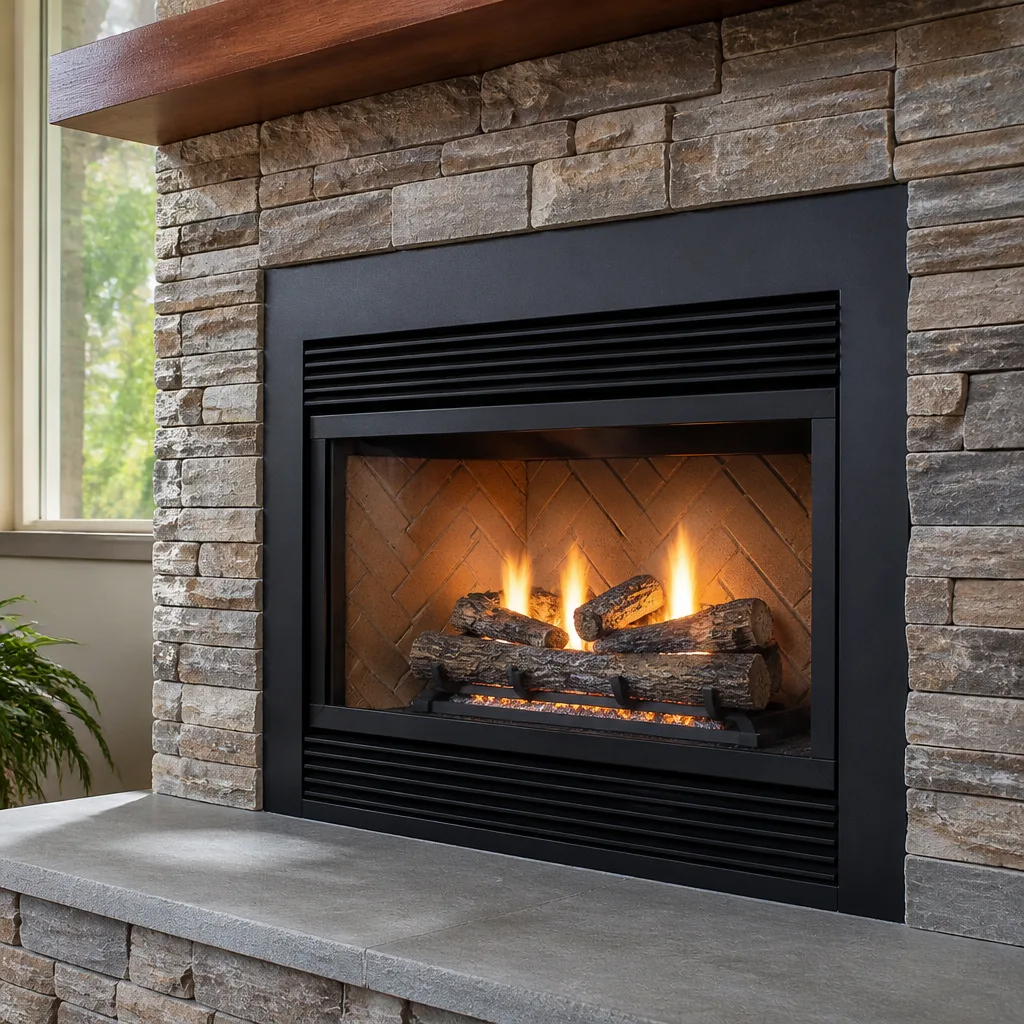
 Gas fireplace service
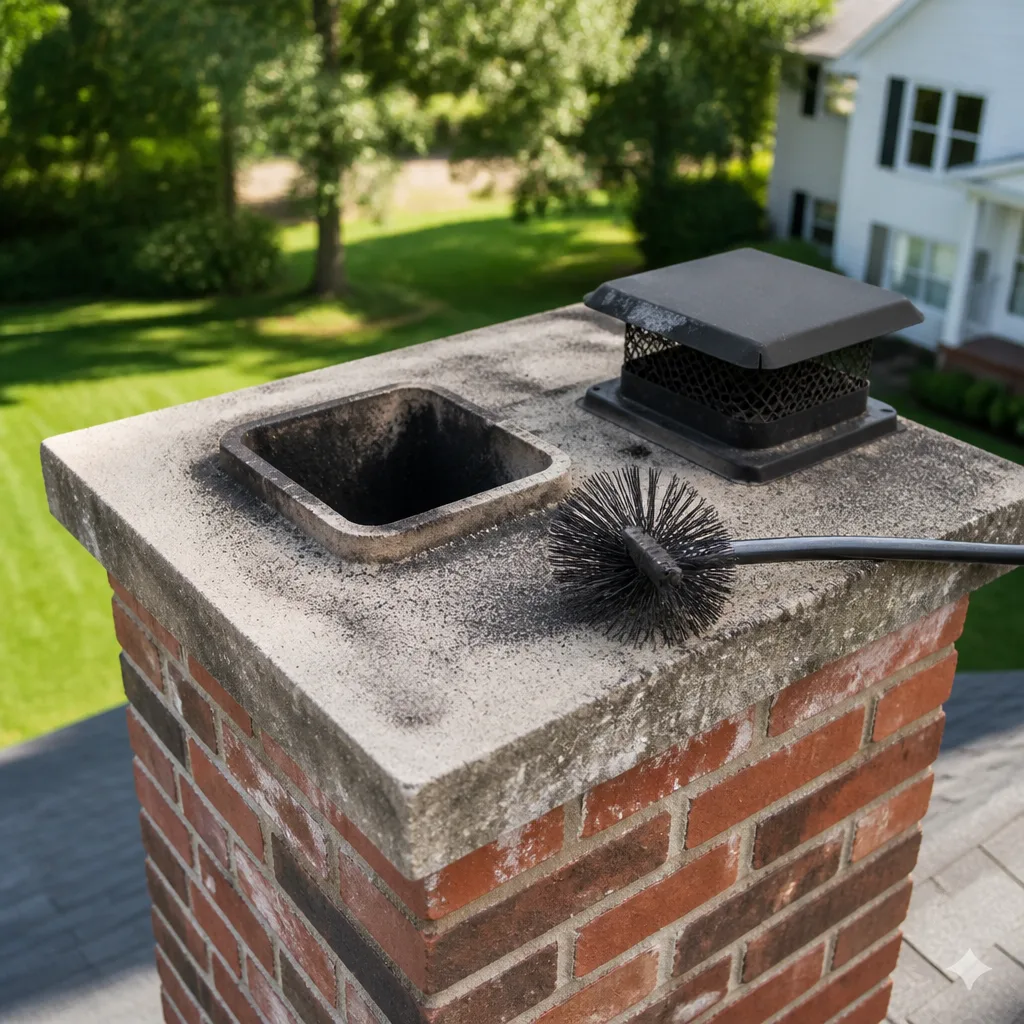 Sweep & inspection
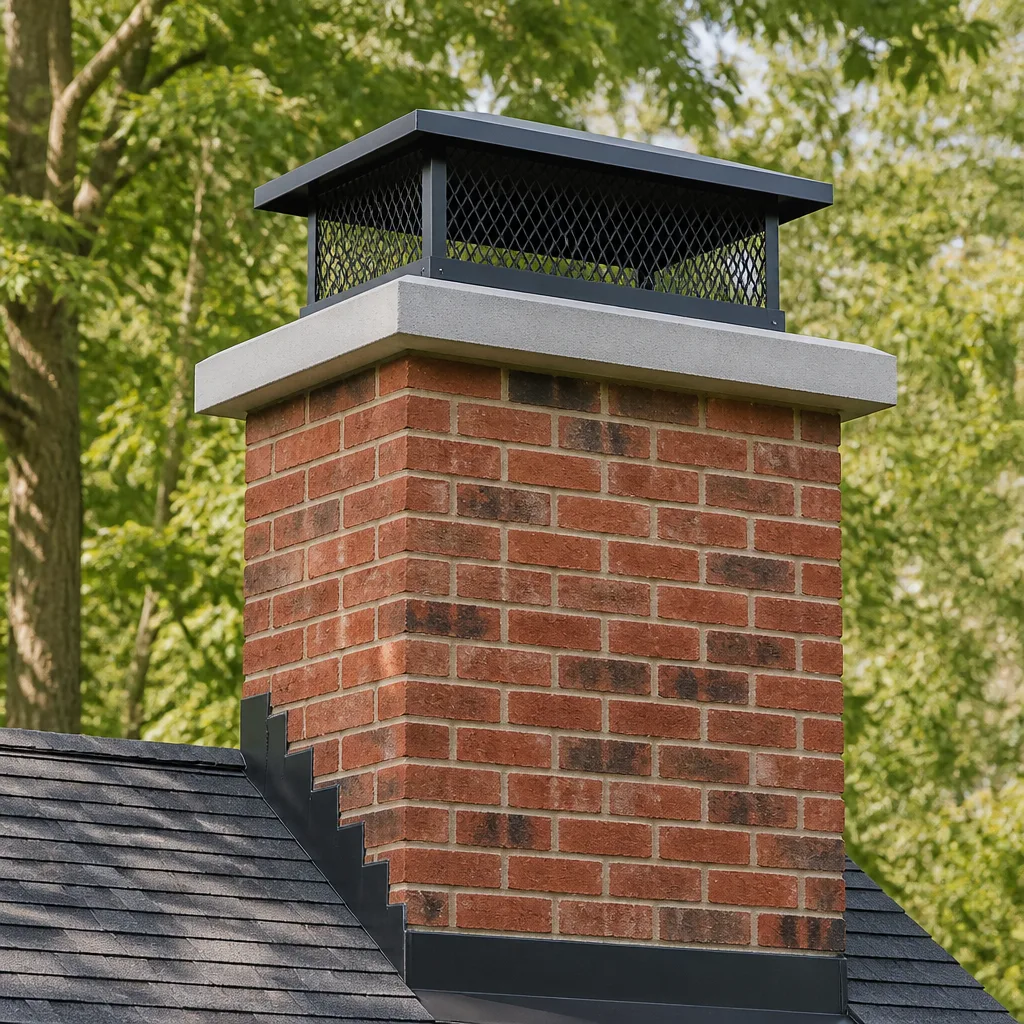 Caps & crowns
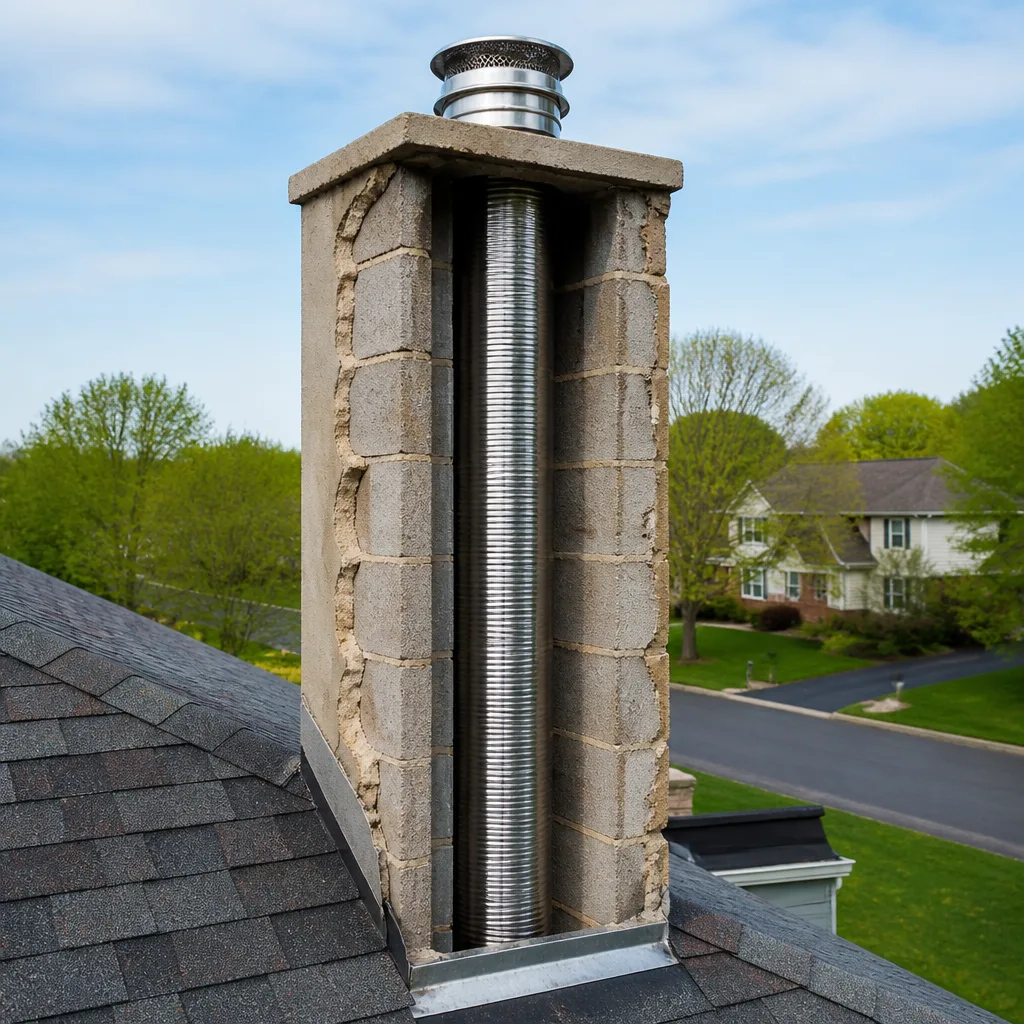 Flue relining
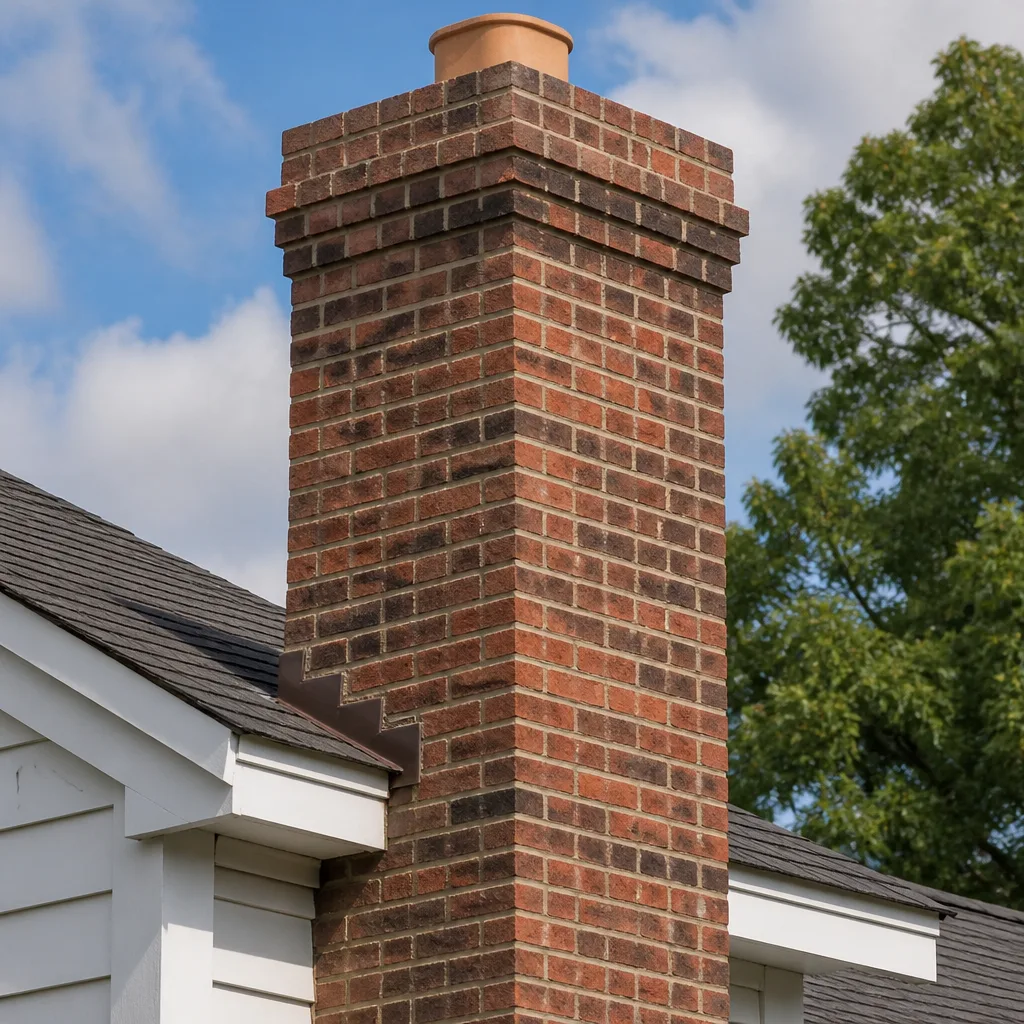 Masonry repair
Level 1 sweep and inspection to the NFPA 211 annual standard - flue, crown, cap, and flashing checked and photographed
Chimney sweep logs do not sweep chimneys. They loosen some creosote - which then falls where a brush and vacuum still have to collect it.
Why Salt Lake City Homeowners Choose HeatShield Chimney Cleaning
We provide independent HeatShield chimney cleaning service in Salt Lake City: pre- and post-resurfacing assessments, flue cleaning that protects a HeatShield surface, firebox and smoke-chamber mortar repair, and crown sealant work. HeatShield is a resurfacing and repair system for clay tile flues, not a cleaning product, so our job is to judge whether a flue is a genuine candidate for it. We are an independent service provider. We are not affiliated with, authorized by, or a dealer for HeatShield. Call (866) 947-8813.
Salt Lake City sits in a mountain valley with winter inversions, and the air-quality rules that come with them shape how chimneys here get used. On a Red burn day, a wood stove that can’t legally burn is a stove nobody sweeps or inspects that season, so the sweep is often the first person to notice a flue going soft. Add cold-air pooling and high-desert creosote chemistry, and a Salt Lake City chimney ages differently than one at sea level. Our technicians have up to 13 years of experience with exactly this kind of work.
Why Trust Salt Lake City Chimney Sweep Co for Your HeatShield Chimney Cleaning?
HeatShield work rewards familiarity. A resurfacing job is only as good as the prep underneath it, and our technicians have spent their careers reading flues before and after that prep. They know what a properly cleaned clay tile looks like before sealant goes on, how a firebox mortar repair should sit against brick, and when a crown sealant is a repair and when it’s a bandage over a crack that will open again.
When we service HeatShield equipment, we use the manufacturer’s own sealant and mortar products. An off-brand substitute cures differently and won’t bond to the prepared substrate the way the system is designed. That’s a parts choice, not a sales pitch.
We’re a chimney-only operation. Every job is chimney and fireplace work, so a HeatShield assessment isn’t squeezed between roof calls or HVAC tune-ups. Our technicians have up to 13 years of experience, and they work warranty-safe: we document the flue condition with camera images before and after, so you have a record of what was found and what was done. We are not factory-trained or certified by HeatShield. We’re an independent shop that knows the product and services it carefully.
Styles & brands we work with
- Sweep & inspection
- Caps & crowns
- Flue relining
- Masonry repair
- Gas fireplace service
Common HeatShield Chimney Cleaning Problems We Fix in Salt Lake City
These are the failure modes we see most often around Salt Lake City, and why they happen:
- Sealant debonding in sheets above the damper. This almost always traces back to a flue that wasn’t properly cleaned before the resurfacing went on. Glazed creosote and soot left on the tile keep the coating from gripping, and within a heating season or two it lets go in flat flakes that land on the smoke shelf. It looks like a product failure. It’s a prep failure.
- Voids behind the new surface at offset or wrong-sized tile joints. Older flues in the Avenues and Sugar House don’t always have neatly aligned, uniform tiles. When a gap gets coated over instead of addressed, the new surface spans empty space. The coating holds for a while, then cracks along the gap line.
- Firebox mortar repairs that crumble within a season. A repair applied over spalling or water-saturated brick has nothing solid to bond to. The mortar looks fine at first, then turns soft and sandy. Water finds the brick first; the mortar failure is the symptom.
- Crowns finished too thin, cracking fast. Salt Lake’s freeze-thaw cycle is hard on south-facing brick above the inversion layer, and a crown sealed with a thin coating will hairline within a couple of seasons. Once it does, meltwater runs back to the flue instead of off the crown.
- Frost spalling at the cap and crown that gets read as a flue problem. In the foothill neighborhoods on the east bench, spring freeze-thaw chews up exterior mortar years before the same chimney would fail on the valley floor. Homeowners often call about a draft or a leak when the real issue is the crown and cap above the flue, not the flue itself.
A typical scenario goes like this. A homeowner notices chalky, sand-like grit collecting on the smoke shelf and hearth, or hears tiles rattling when the damper is worked. Often that’s the first sign that an older clay-tile flue has been resurfaced, or that the firebox mortar has gone soft. A qualified sweep runs a camera down the flue, removes any glazed creosote first, and only then evaluates whether a HeatShield-style resurfacing will bond, or whether the tiles need to come out. The decision usually hinges on what the camera shows above the damper, not on what’s visible from the firebox.
HeatShield Parts & Our Repair-vs-Replace Approach
Choosing parts for HeatShield work means choosing the system’s own sealant and mortar products, because the coating is designed to cure against a specific prepared surface. Off-brand substitutes cure at a different rate and won’t set the same way. We do not claim to stock, carry, or sell HeatShield parts, and we’re not a dealer. We repair, install, and service HeatShield equipment with quality parts that fit it.
Repair versus replace comes down to the flue, not the budget. Resurfacing is appropriate when the clay tiles are intact but deteriorating: cracked, spalling, or losing their inner face. Full relining is the honest call when tiles are badly deteriorated, offset beyond what a coating can bridge, or missing entirely. Resurfacing a flue in that condition just puts a smooth surface over a failing structure. We can work with DuraFlex and Gelco liner systems when a reline is what the chimney actually needs, so the recommendation isn’t limited by what we happen to sell.
Because we’re independent, we have no incentive to sell a reline a chimney doesn’t need. If a resurfacing will hold, we’ll say so. If it won’t, we’ll show you the camera footage and explain why. Call (866) 947-8813 for a free estimate.
Our HeatShield Service Process – Step by Step
Every HeatShield job we connect homeowners with follows the same sequence, and each step exists because skipping it is how the failures above happen.
- 1
Level 2 inspection and diagnosis. We run a camera down the flue and record what we see at the firebox, above the damper, and at the tile joints. This is where we determine whether the flue is a resurfacing candidate or a reline case.
- 2
Cleaning and substrate prep. Glazed creosote comes out before anything else goes in. A HeatShield surface will not bond to a dirty flue, so the cleaning step is part of the repair, not a separate line item.
- 3
Repair or install. Sealant and mortar go on per the system’s requirements, with attention to gaps, offsets, and the firebox and smoke chamber if they need work alongside the flue.
- 4
Test and document. We re-run the camera and compare before-and-after images, then check draft and confirm the surface cured evenly. You get the photo record.
- 5
Warranty-safe handoff. We explain what was done, what it’s warrantied against, and what maintenance keeps it sound. The written estimate sets the final price, and the sweep is agreed before we book.
See the difference
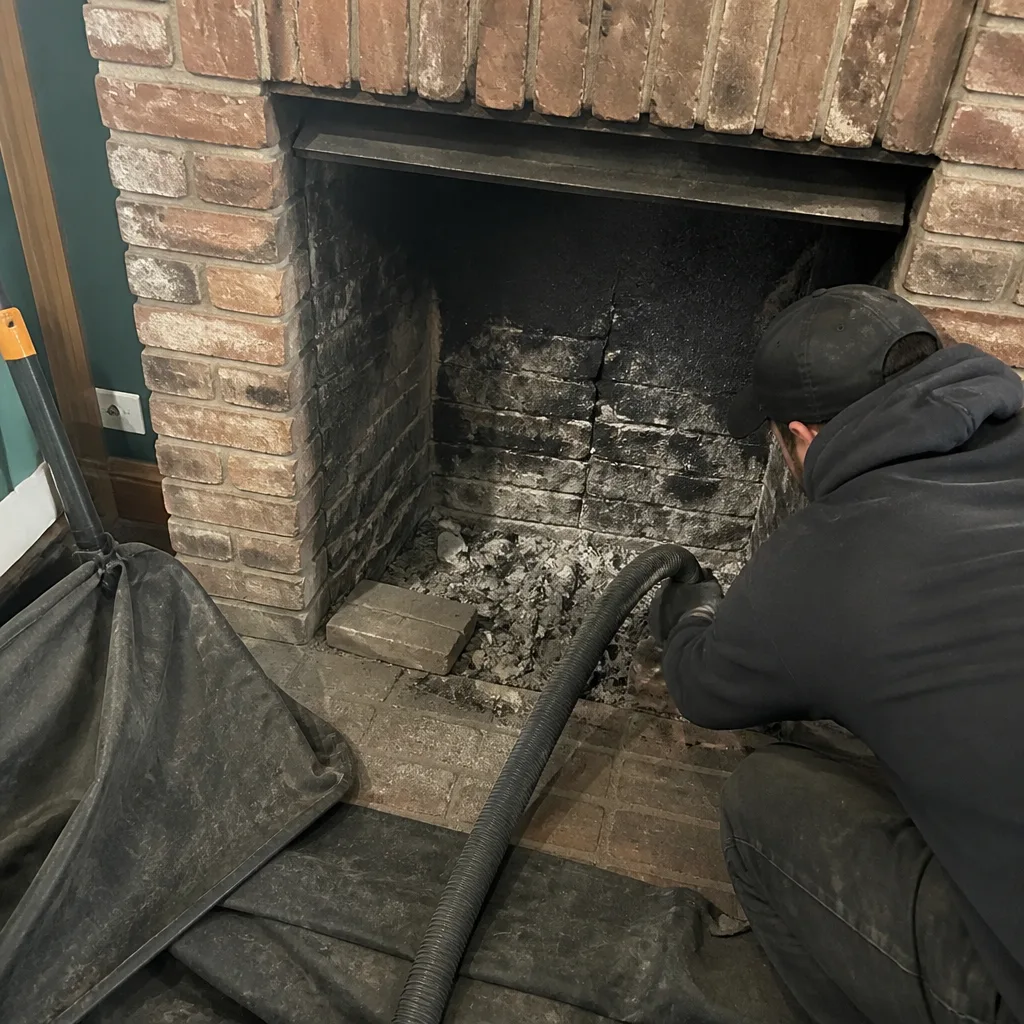 Before
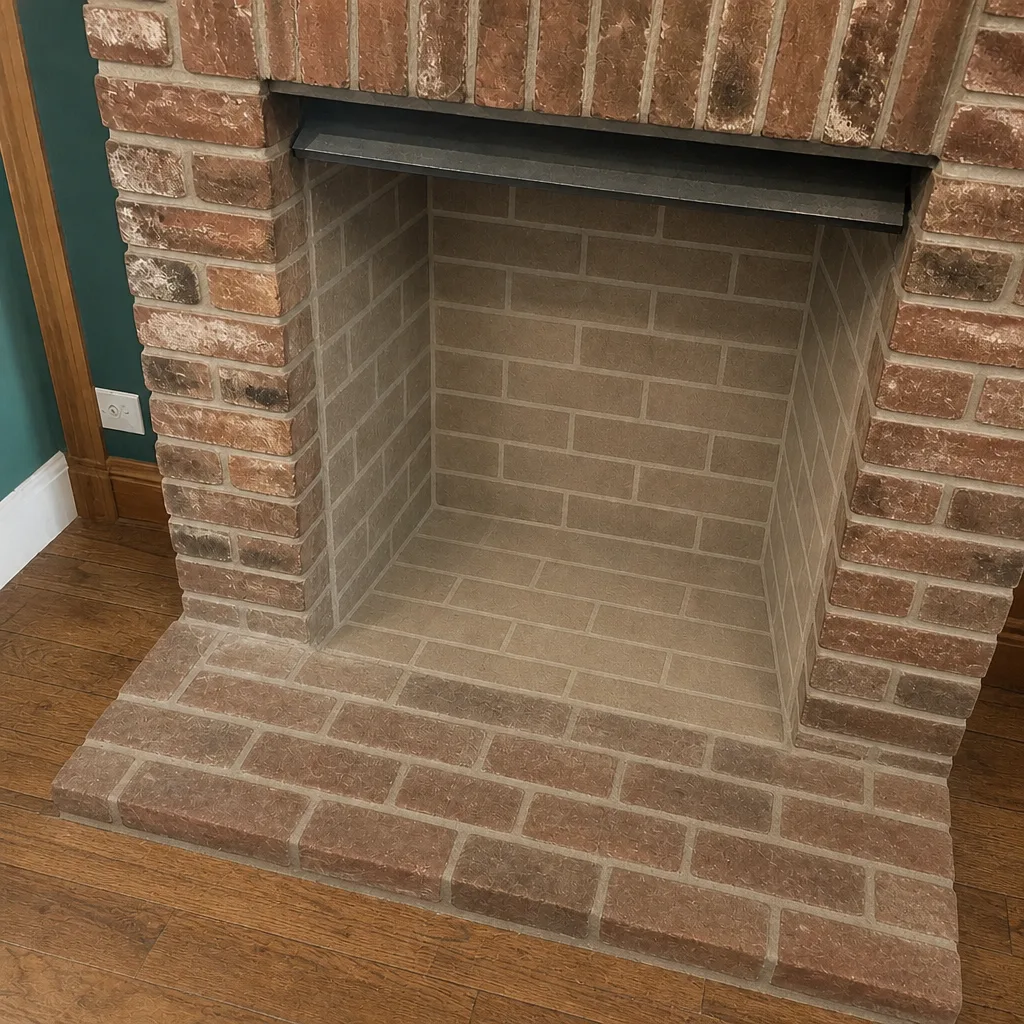 After
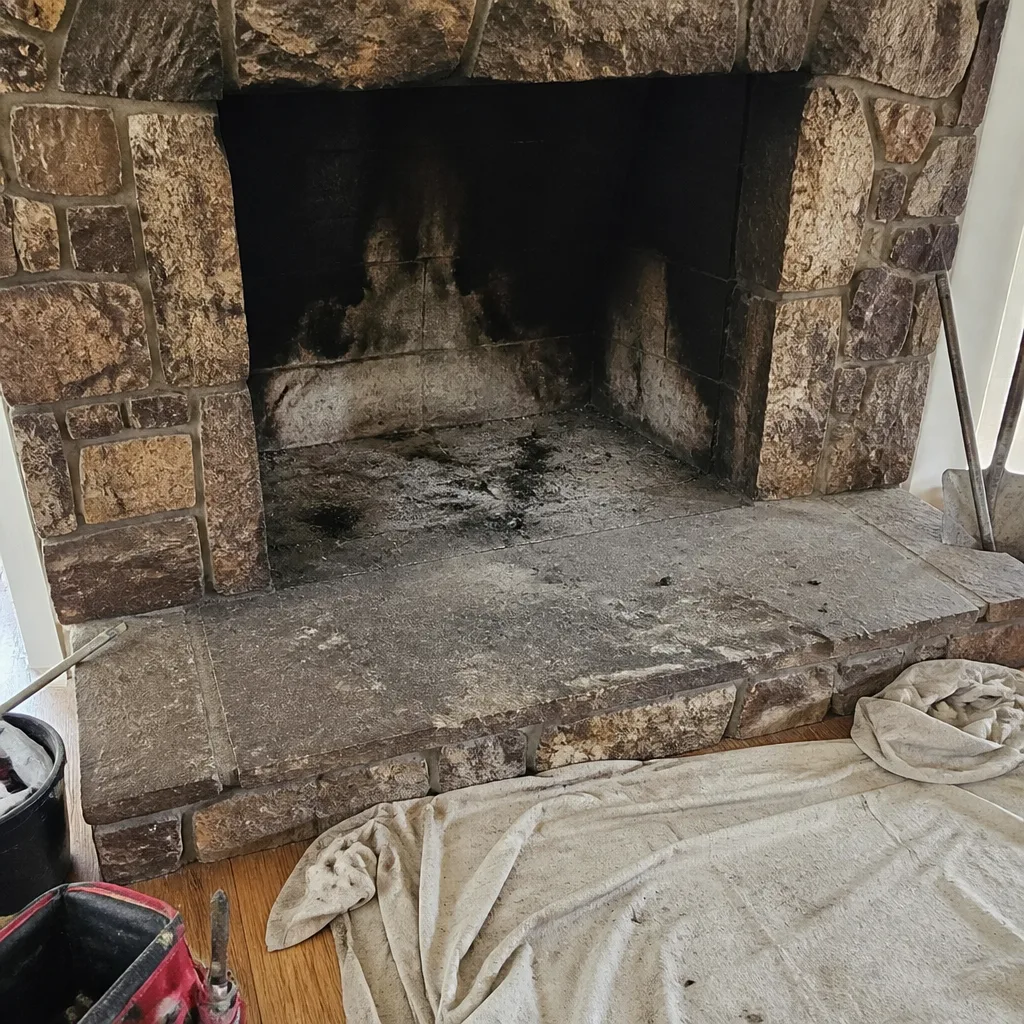 Before
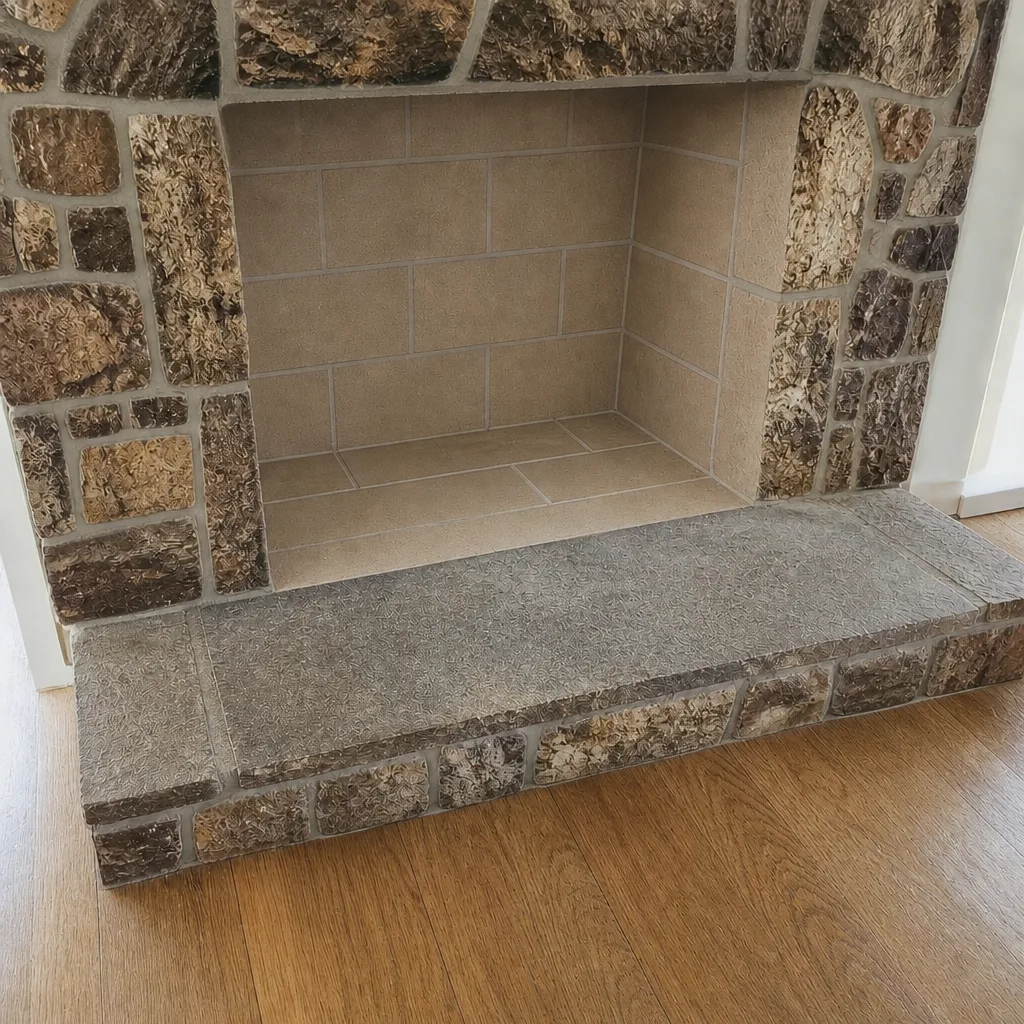 After
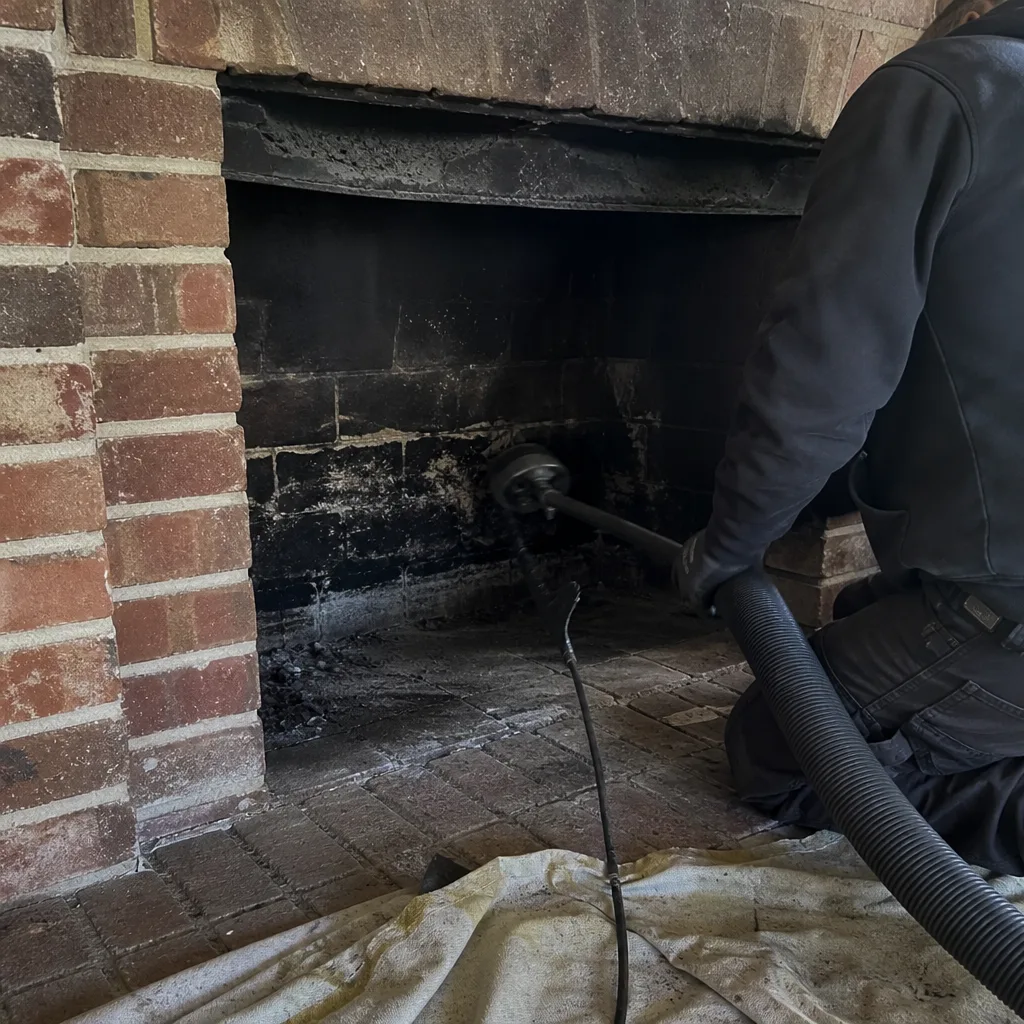 Before
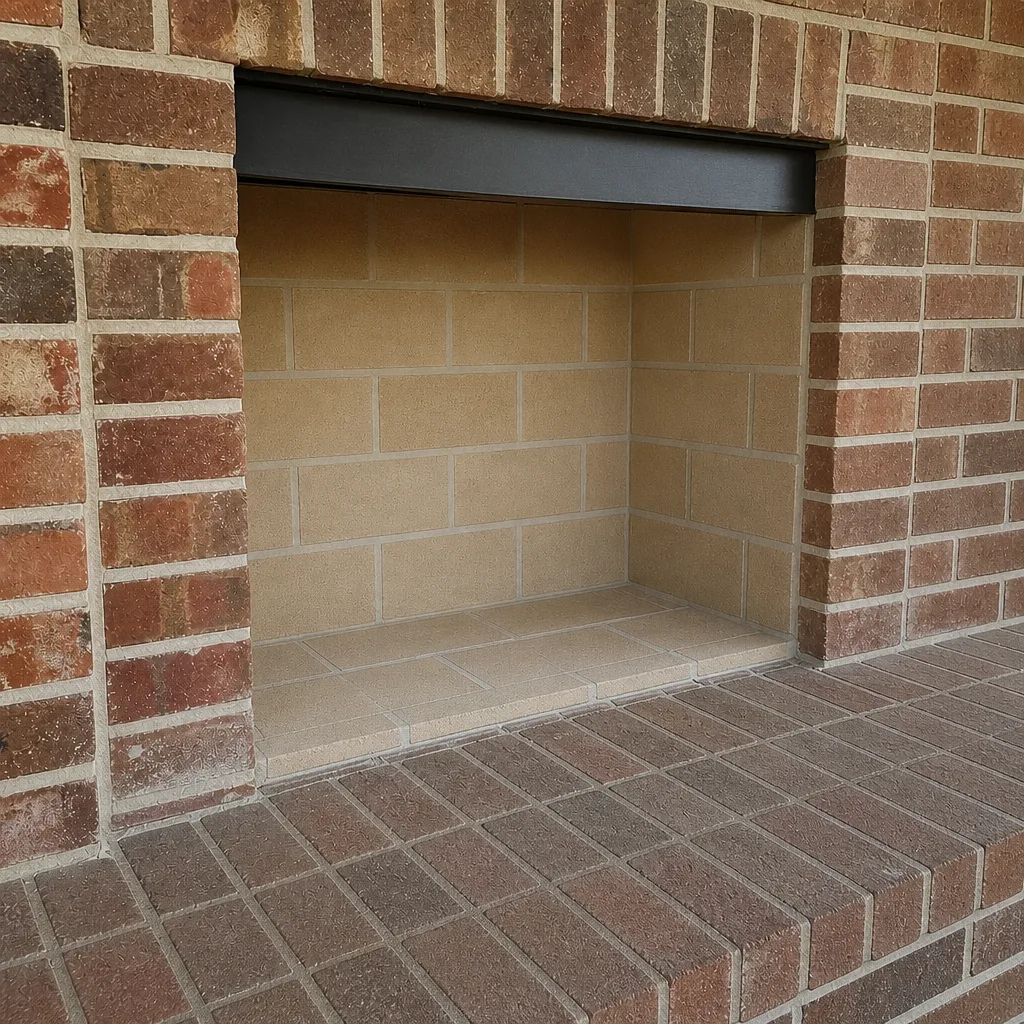 After
HeatShield Products We Service & Install in Salt Lake City
The HeatShield work we handle in Salt Lake City covers the system’s core applications. That includes the cast-in-place Cerfractory flue sealant that resurfaces a deteriorating clay flue from the inside, the resurfacing system used on clay tile flues, FireGuard firebox and smoke-chamber repair mortars for fireboxes that have gone soft, and the crown and flashing sealant products used to close up the top of the chimney. We assess each application on its own merits. A crown that needs real rebuilding versus one that needs sealing is a different call. A smoke chamber with heavy corbeling needs a different preparation than a flat firebox back wall. HeatShield applications depend on the substrate being clean, sound, and dry. We check all three before recommending any of them.
We Also Service These Brands
HeatShield is one option among several, and the right answer depends on the flue. We also service DuraFlex and Gelco liner systems, because a chimney that’s too far gone for resurfacing needs a different solution. Being multi-brand means our recommendation comes from the flue condition, not from a single product line. If you’ve already had a HeatShield resurfacing and want a second read on it, we’re glad to take a look.
FAQs – HeatShield Chimney Cleaning Service in Salt Lake City
Is Salt Lake City Chimney Sweep Co authorized by HeatShield?
No. We are an independent service provider and are not affiliated with, authorized by, or a dealer for HeatShield. We service HeatShield equipment and use the manufacturer’s own sealant and mortar products because they’re what the system is designed to bond with, but the work stands on the technician’s assessment and the camera record, not on a manufacturer relationship.
Do you use quality parts that fit HeatShield equipment?
Yes. For HeatShield resurfacing and firebox work we use the manufacturer’s sealant and mortar products, because an off-brand substitute cures differently and won’t bond to the prepared substrate. We don’t claim to stock, carry, or sell HeatShield parts, and we’re not a dealer. We repair, install, and service HeatShield equipment with quality parts that fit it.
How long does HeatShield service take?
Most HeatShield jobs take a full day, and the schedule is set by the cure and by how much prep the flue needs. A flue with glazed creosote and offset tile joints takes longer than one that just needs a light cleaning and a coat. The estimate we write tells you the scope and the day. Call (866) 947-8813 for an exact quote. Estimates are free.
What kinds of HeatShield products do you cover?
We cover the cast-in-place Cerfractory flue sealant, the resurfacing system for clay tile flues, FireGuard firebox and smoke-chamber repair mortars, and the crown and flashing sealant products. That covers the flue, the firebox, and the top of the chimney, which is where most failures show up.
Does a HeatShield flue resurfacing need to be re-swept afterward?
Yes, and it should be done at the normal annual interval. A resurfaced flue still collects creosote from wood burning, and Salt Lake’s heavy November-through-March use means it builds up faster than a lightly used chimney would. Sweeping a cured HeatShield surface is routine when the sweep knows what they’re working on. That’s why we ask who did the resurfacing before we run a brush.
How much does HeatShield chimney cleaning cost in Salt Lake City?
HeatShield service is priced per job by a written estimate, and the estimate is free. What drives the price is whether you need cleaning plus a camera assessment only or cleaning plus a resurfacing, plus whether the firebox or crown needs work alongside the flue. Call (866) 947-8813 for an exact quote. Estimates are free.
Book Your HeatShield Service in Salt Lake City, UT
If you’ve had a HeatShield resurfacing and want to know whether it’s holding, or you’re facing a deteriorating clay flue and want an honest read on resurfacing versus reline, call us. We’re an independent provider, and the recommendation comes with camera evidence you can see. Call (866) 947-8813 for a free estimate. We answer 24/7. Fast dispatch from 7am to 7pm, Sunday through Friday.
Written by the team at Salt Lake City Chimney Sweep Co.