
Last updated November 25, 2026
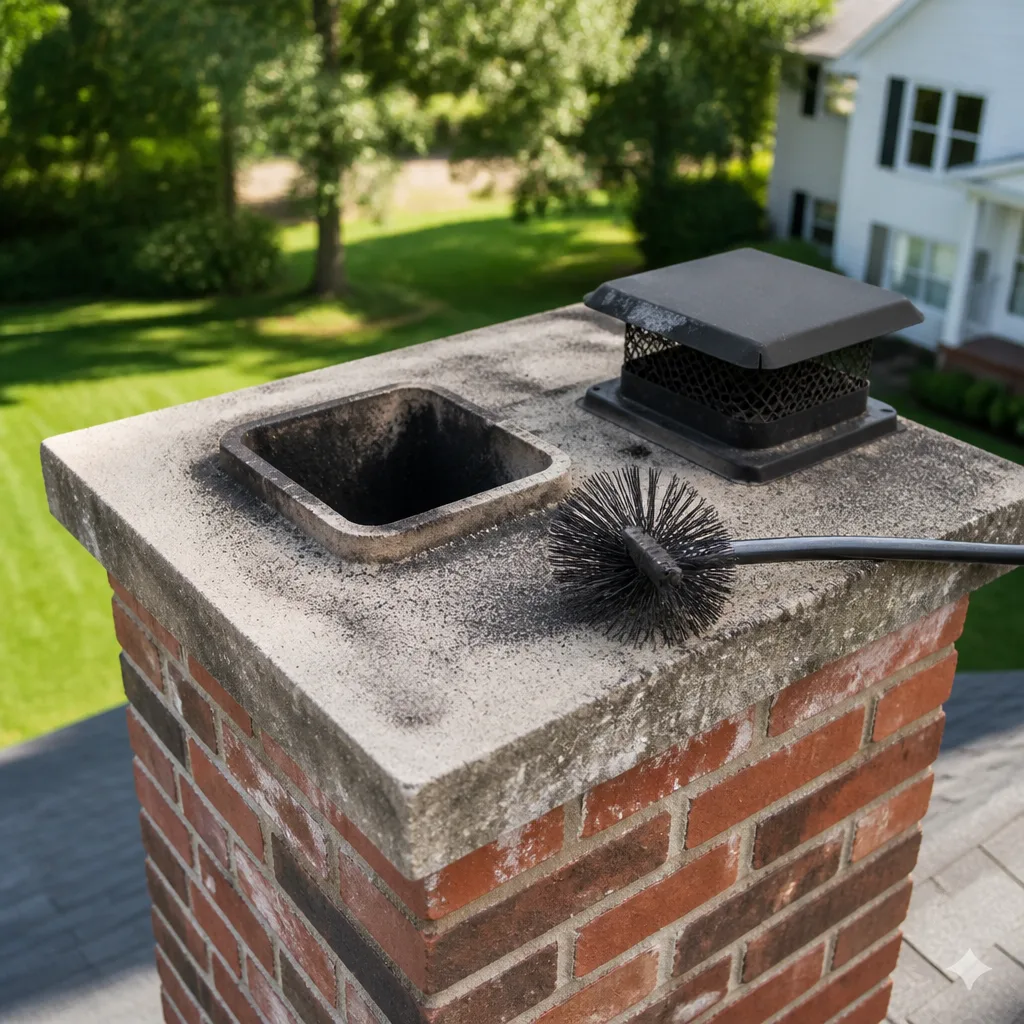 Sweep & inspection
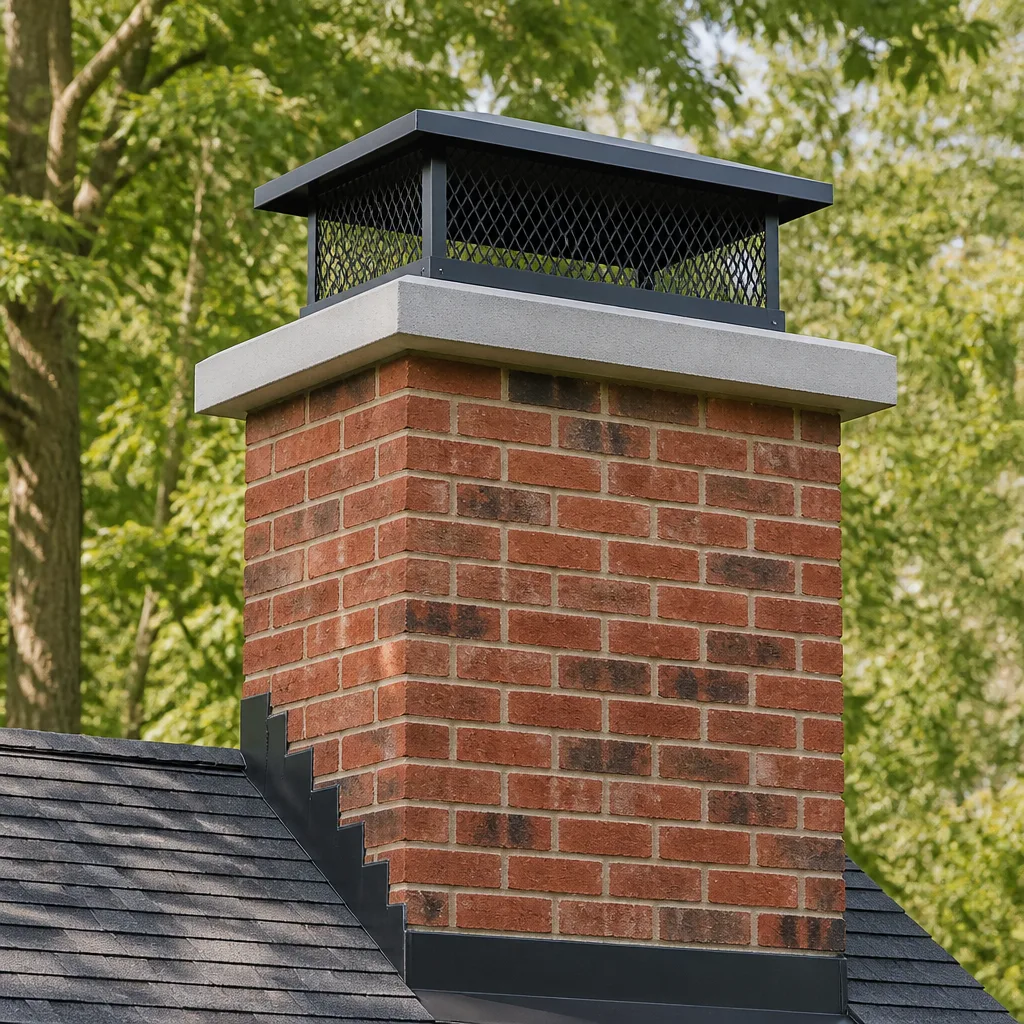 Caps & crowns
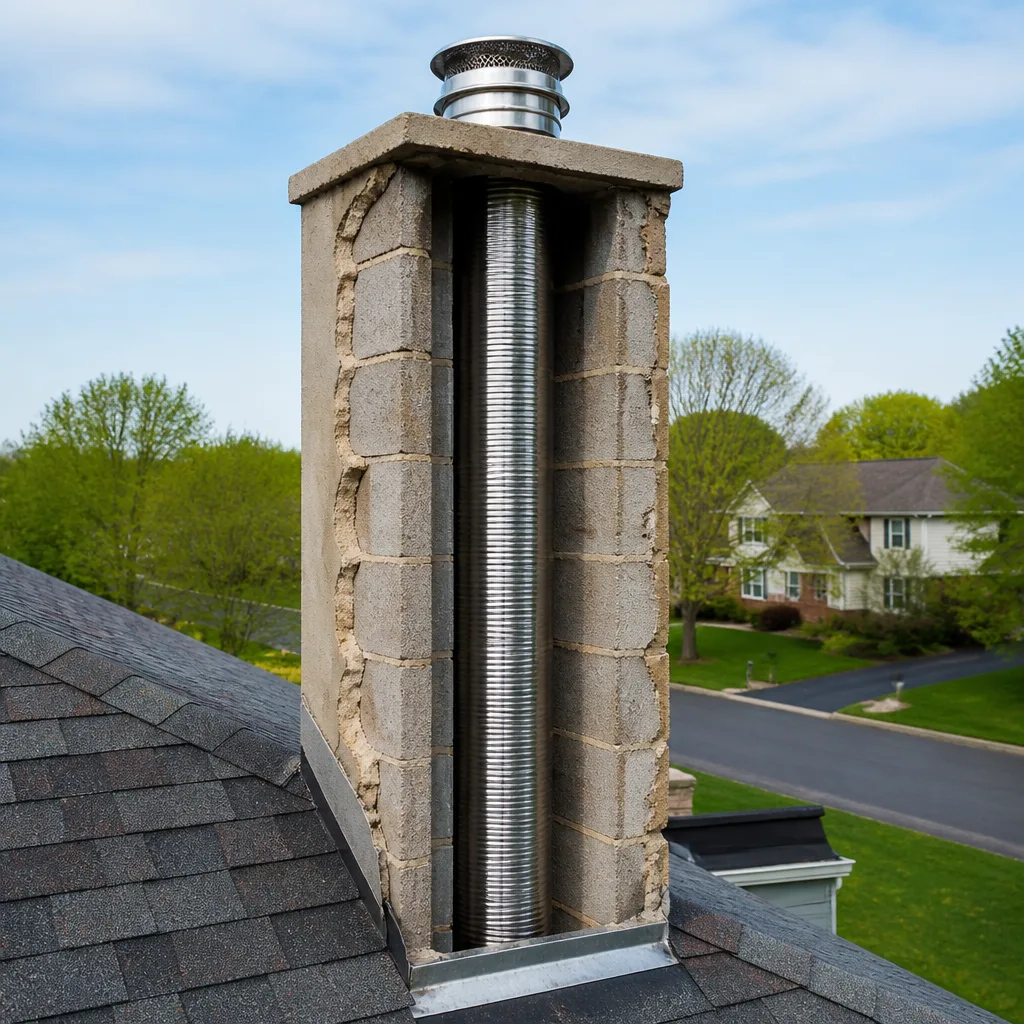 Flue relining
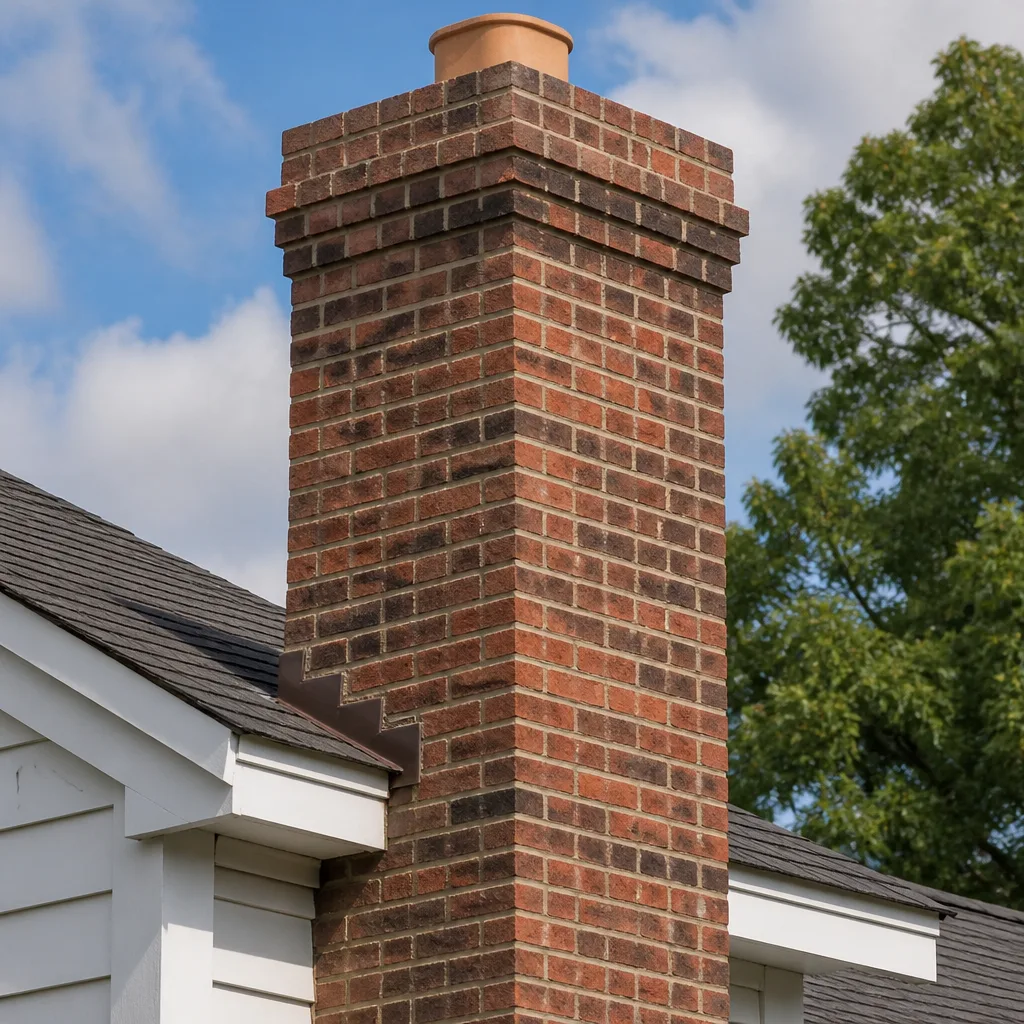 Masonry repair
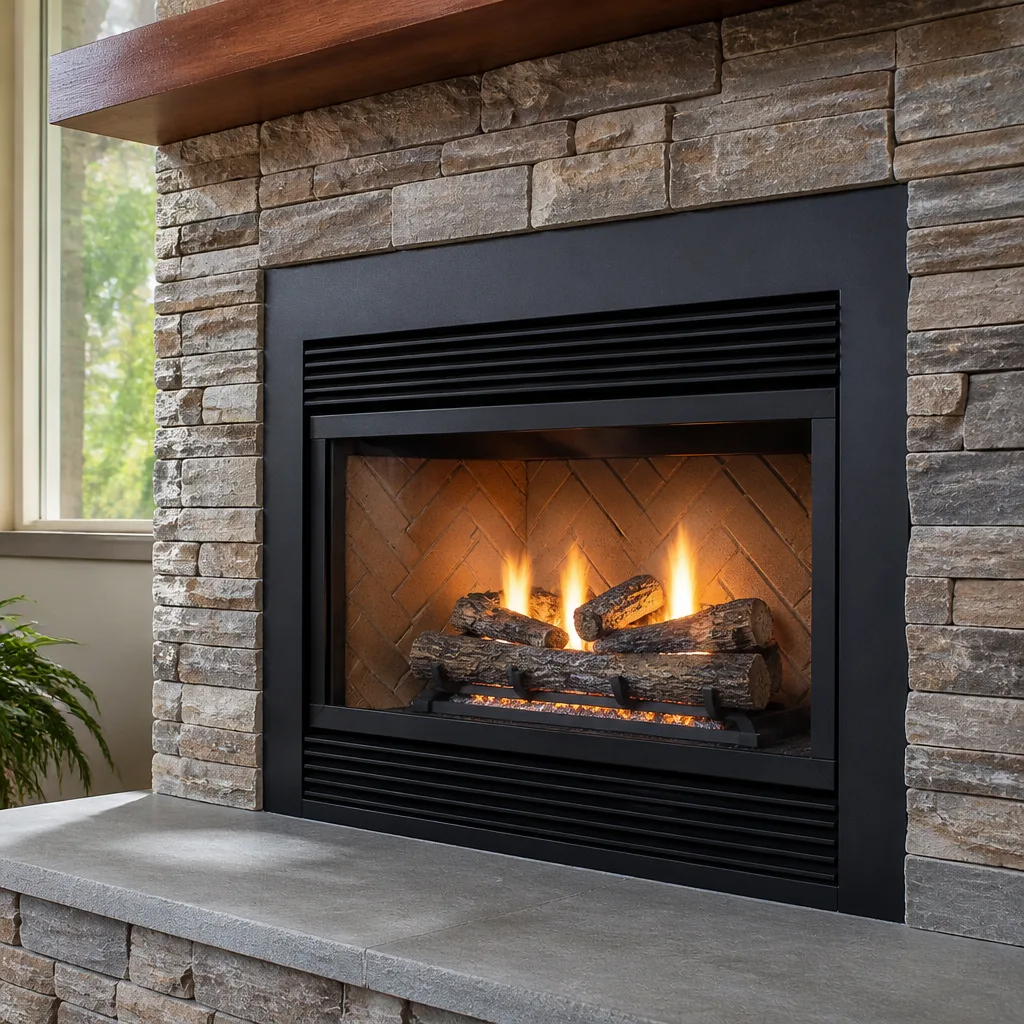 Gas fireplace service
Level 1 sweep and inspection to the NFPA 211 annual standard - flue, crown, cap, and flashing checked and photographed
Chimney sweep logs do not sweep chimneys. They loosen some creosote - which then falls where a brush and vacuum still have to collect it.
Seasonal Chimney Cleaning Care for Salt Lake City: Year-Round Homeowner’s Guide
A chimney cap that fails in January was almost certainly compromised the previous July. That’s the part most homeowners miss: chimney damage rarely happens in the season you notice it. It starts months earlier, quietly, while the fireplace is cold and out of mind. Salt Lake City’s four-season climate works on a chimney in four completely different ways, and the standard advice to “get it swept every fall” only addresses one of them. In this guide, we’ll walk through what each season does to your mortar, crown, flashing, liner, and cap, when a Salt Lake City sweep and inspection actually belongs on your calendar, and which summer tasks prevent the most expensive winter repairs.
Quick Answer
Chimney care in Salt Lake City works best as four seasonal checkpoints, not one annual event: a post-heating-season sweep and inspection in spring, a dry-weather crown and flashing review in summer, a pre-burn-season sweep and inspection in early fall, and a mid-winter watch on the cap and exterior masonry. Skipping any of the four lets a different kind of damage run unobserved until it gets expensive.
Styles & brands we work with
- Sweep & inspection
- Caps & crowns
- Flue relining
- Masonry repair
- Gas fireplace service
Table of Contents
- Why One Annual Sweep Misses Three-Quarters of the Damage
- Winter: What Freeze-Thaw Does to Salt Lake City Masonry
- Spring: Snowmelt and Rain Reveal What Dry Months Hide
- Summer: The Season That Decides Your Winter Repair Bill
- Fall: Timing Your Sweep to Utah’s Real Burning Season
- Your Salt Lake City Seasonal Chimney Calendar
- A Component-by-Component Look at Seasonal Wear
- How We Approach Seasonal Chimney Care in Salt Lake City
Why One Annual Sweep Misses Three-Quarters of the Damage
A yearly sweep is good advice that covers roughly one season’s worth of risk. The sweep clears creosote, soot, and any obstruction from the flue. It has almost nothing to say about the crown drying out under August sun, the flashing loosening against a February thaw, or the mortar joint that cracked when water froze inside it in December. Those are seasonal problems with seasonal windows, and each one is cheapest to catch in the season that caused it.
Think about how the damage actually accumulates across a Salt Lake City year:
- Late spring through summer is when UV and heat work on the crown, the cap, and any sealant keeping water out of the masonry.
- Fall is when the first cold-weather fires push creosote into a flue that has sat unused since spring, and when the inversion setup along the Wasatch Front changes how smoke behaves and clears.
- Winter is when water that got in earlier freezes, expands, and pries mortar and brick apart through repeated thaw cycles.
- Spring melt is when that damage becomes visible as staining, loose flashing, or spalling brick, but only because the moisture is finally flowing again.
No single sweep appointment covers all four. A sweep cleans the inside of the system. A seasonal care routine watches the whole system, inside and out, at the time of year when each part is most vulnerable. That’s the difference between reacting to a chimney problem and preventing one.
Where this matters most is that the expensive failures – a cracked crown feeding water into the chimney body, a compromised flue liner, flashing that pulls away from the roof – all start as small, cheap observations. Caught in the right season, they’re a repair. Caught a year late, they’re a rebuild.
Winter: What Freeze-Thaw Does to Salt Lake City Masonry
Winter is where Salt Lake City’s climate separates itself from milder chimney markets. Nights below freezing and daytime sun that warms the masonry are a freeze-thaw engine: water seeps into a hairline crack in the mortar or brick, freezes and expands overnight, and the crack widens. Repeat that cycle across a winter and a cosmetic flaw becomes a structural one.
What you can watch for during the heating season without climbing anything:
- White, chalky staining on exterior brick can signal moisture moving through the masonry. It’s not automatically a problem, but it’s worth writing down and checking again after the thaw.
- Crumbling or sandy mortar joints on the outside of the chimney, especially on the side that gets the most sun and the most weather.
- A cap that shifts, dents, or lifts in wind. The cap is the roof of the whole system, and a loose cap lets snow and rain straight into the flue.
- Smoke that won’t draw on cold mornings. In a Salt Lake City winter this is often a cold flue that needs warming before lighting, but it can also point to an obstruction. If it happens consistently, get it inspected.
Inside, the winter risk is creosote. A wood-burning fireplace that runs hot and often builds creosote faster than a gas insert or an occasional fire. Creosote is the fuel for a chimney fire, and the glazed, hardened kind doesn’t come off with a brush in the same way soft soot does. That’s why the schedule matters: a sweep booked after heavy burning catches the buildup while it’s still manageable.
One safety note worth stating plainly: creosote fires and carbon monoxide are the two reasons chimney inspection exists, and neither is something to diagnose by look or smell. If you suspect a chimney fire has occurred – a roaring sound, a pressure change, black smoke from the top – stop using the fireplace and have it inspected before the next fire. A trained chimney technician can confirm the condition of the flue, and no homeowner should try to assess the inside of a liner themselves.
Spring: Snowmelt and Rain Reveal What Dry Months Hide
Spring is the season of evidence. As the snowpack on your roof melts and April rain moves through, water travels down the exterior of the chimney, and wherever it can get in, it will. The leak paths that were sealed by ice all winter suddenly show themselves: a dark streak down the brick, a damp patch on the ceiling near the chimney, a rust line on the firebox or damper.
This is also the ideal season for the first of the year’s two sweeps and inspections. There are two reasons:
- The burning season is over. A spring sweep clears the creosote and soot left from the winter’s fires before it can sit through the warm months, and it gives you a clean baseline for the next fall.
- Damage from winter is still fresh and visible. A spring inspection catches what freeze-thaw did, while the moisture that caused it is still around to help a technician trace it. By July, those same cracks can look dry and harmless.
Salt Lake City’s spring weather is a useful diagnostic tool on its own. The wet weeks make flashing failures obvious – the metal at the roof-to-chimney transition is the most common entry point for water, and it only reveals itself when water is actually running. A flashing that looks fine in a dry August is a flashing you haven’t really tested. If your chimney sits against a steeper section of roof, or you’ve had ice damming up there in past winters, spring is the time to have that transition checked.
Spring is also when a lot of homeowners first notice a problem and put it off. A small ceiling drip in April feels less urgent than a cold house in January. But for chimney work, spring gives you the widest scheduling window of the year and the most time to plan a repair before it’s needed. That’s a real advantage, and it’s why we recommend treating spring as the start of the care year, not the end.
Summer: The Season That Decides Your Winter Repair Bill
Summer is the season most homeowners skip, and it’s the one that prevents the most expensive winter repairs. Nothing is burning, the fireplace is cold, and the chimney is invisible behind the roof and out of the daily routine. Meanwhile, the two things that protect your chimney from water – the crown and the cap – are sitting in direct UV and heat all summer.
Here’s what summer does to each of them:
- The crown. The concrete or mortar crown at the top is your chimney’s roof, and it takes the most sun of any part. UV and heat dry out and crack the sealant and the surface over time. A hairline crack in July is a water channel by November, and water in the masonry heading into winter is exactly how freeze-thaw starts.
- The cap. A metal or masonry cap protects the flue opening from rain, snow, and animals. Summer heat and sun age the fasteners and the sealant holding it down. A cap that was compromised in July is the one that fails in the first January storm.
- The sealant and joints around the crown and flashing. These are small jobs in summer and much bigger jobs once water has had a season to work.
Summer is also a good moment to think about the liner, because a dry flue on a warm day is easy to inspect and photograph. If your flue tiles are deteriorating, resurfacing with a HeatShield system is often the repair that keeps a chimney usable without a full liner replacement, and it’s an easier call to make on a relaxed summer schedule than in the middle of a cold snap. Our technicians have up to 13 years of experience reading flue condition, and summer is when that read is clearest.
The summer checklist, without any climbing on your part:
- Look up at the crown and cap from the ground. Note any visible crack, tilt, or missing screen.
- Note any new staining on the chimney’s exterior, especially streaks that weren’t there in spring.
- Check the firebox and damper area for rust, which points to water getting in above.
- Book a summer inspection if anything on that list is new. A crown and cap inspection is a small job in July and a structural repair by winter.
This is the single biggest lever a Salt Lake City homeowner has over their chimney’s long-term cost: protect the top of the system during the dry, sunny months. It’s also where a dedicated chimney cap & crown inspection pays for itself. The crown and cap are the first line of defense for the entire chimney, and they’re the easiest parts to neglect.
Fall: Timing Your Sweep to Utah’s Real Burning Season
Fall is when “get it swept before winter” is good advice, but the timing depends on when you actually start burning. Along the Wasatch Front, the first fires usually get lit when the cold settles in and the inversion layer begins to build, and that’s when the chimney starts working every day instead of occasionally. The sweep should happen before that first sustained stretch of burning, not after.
Why the distinction matters:
- A sweep before the season starts means a clean flue for the whole season. A sweep in October catches last spring’s leftovers and whatever summer deposited, and clears the flue before the heavy burning begins.
- A sweep in December, after a month of fires, means you’ve been burning on an unchecked flue. The inspections and cleaning should come before the load, not after it.
- Inversion conditions change how smoke clears. When a cold layer traps air along the valley, poor draft makes a marginal chimney worse. A flue that’s clean and drawing well handles inversion weather far better than one that’s already restricted.
Fall is also the natural time for the year’s second inspection, which acts as a final check before the heating season. Between the spring inspection and the fall one, you have two professional eyes on the system per year, one after the damage season and one before the load season. If the spring inspection found something worth watching, fall confirms whether it changed; if the summer crown and cap review turned up a repair, fall is when you confirm it’s done and the flue is ready.
For homeowners new to a house, fall is the right time for a first-time inspection regardless of what the seller said. A chimney is one of the few systems where a previous owner’s maintenance record is basically unverifiable from the outside, and a fall inspection gives you a known starting point before your first fire. It’s the same reason we recommend a chimney sweep as the baseline service for any new Salt Lake City home with a fireplace.
Your Salt Lake City Seasonal Chimney Calendar
Here’s the seasonal reference calendar in one place, tied to Salt Lake City’s weather patterns rather than the generic “fall sweep” advice. Keep this and check it against your own fireplace use.
Spring (roughly April through May)
- Post-season sweep and inspection. Clear winter creosote and get a professional read on freeze-thaw damage while the moisture that caused it is still visible.
- Trace leaks from snowmelt and April rain. Look for staining on brick, damp near the ceiling, and rust in the firebox.
- Check flashing at the roof-to-chimney transition while wet weather is testing it.
Summer (roughly June through August)
- Crown and cap inspection. This is the highest-value task of the year. UV and heat crack the crown and loosen the cap’s seal.
- Liner review. A dry flue inspects cleanly. Resurfacing with HeatShield, or specifying a DuraFlex or Olympia Chimney liner if a replacement is needed, is easiest to plan now.
- Book repairs. Summer is the widest scheduling window and the driest weather for exterior masonry work.
Fall (roughly September through October)
- Pre-season sweep and inspection before the first sustained burning. Start the season on a clean flue.
- Confirm summer repairs are complete and the cap and crown are sound heading into winter.
- First-time inspection for new homeowners. Establish a known baseline before the first fire.
Winter (roughly November through March)
- Watch the cap and exterior masonry during storms for shifting, denting, or new staining.
- Monitor draft on cold mornings. Persistent smoke backup means inspection, not just a warmer flue.
- Mind creosote during heavy burning. Book a mid-winter check if you’re burning hot and often.
That’s four checkpoints across the year, and each one addresses a different failure mode. The pattern holds whether your home is near the Avenues, along the east bench, or out toward the west side – the climate is shared, and the chimney reacts the same way to it.
A Component-by-Component Look at Seasonal Wear
Different parts of the chimney fail in different seasons, which is the core reason a single annual visit can’t cover everything. Here’s how each major component responds to the Salt Lake City year.
Mortar and brick
The masonry body of the chimney is the part most exposed to weather. Winter freeze-thaw is its main enemy: water in a mortar joint freezes, expands, and chips it loose, and the process repeats across the season. Spring and summer UV dry out and weather the surface without adding water. The masonry is healthiest when water is kept out at the top – which is why the crown and cap matter to the brick and mortar far more than any surface treatment does.
The crown
The crown is the concrete or mortar cap at the very top, sloped to shed water away from the flue. Its worst season is summer, when UV and heat crack the sealant and surface. A compromised crown lets water into the chimney body, and that water is what winter then freezes. Crown repair in summer is routine; crown replacement after a few winters of water intrusion is not.
Flashing
Flashing is the metal at the roof-to-chimney junction, and its failure shows up in wet weather. Spring snowmelt and rain are when a flashing problem becomes a leak rather than a hidden defect. Dry summer months can make a failing flashing look perfectly fine, which is why a spring inspection is more revealing than a summer one for this component.
The liner
The flue liner carries the smoke and protects the masonry around it. Creosote buildup happens during the burning season, and a deteriorating liner is often best inspected on a dry, warm day. If the flue tiles are cracked or spalling, resurfacing with a HeatShield system can restore the liner without a full replacement, and a damaged liner that needs replacing is best handled with a professional-grade liner from a brand like DuraFlex or Olympia Chimney. A compromised liner is a safety issue, not a cosmetic one: it’s the barrier between hot gases and the structure of your home.
The cap
The cap keeps rain, snow, and animals out of the flue, and it takes the full force of summer sun and winter storms. Fasteners and sealant age in the heat, and a cap that loosens is one windstorm away from letting weather straight into the flue. Inspect it in summer when the wear is created, and again after winter storms when the damage shows.
How We Approach Seasonal Chimney Care in Salt Lake City
Salt Lake City Chimney Sweep Co is a chimney-only specialist. That focus matters for seasonal care, because the work is a mix of sweeping, inspection, cap and crown work, fireplace repair, and structural chimney repair, and it helps to have one company that handles all of it as the year moves. You’re not calling a sweep in fall, a mason in summer, and someone else for a fireplace repair – it’s the same relationship across the whole calendar.
What that looks like in practice:
- One company for every chimney need. Inspection, sweep, cap and crown, fireplace repair, and chimney repair all run through the same specialists, so a summer crown finding doesn’t send you looking for a second contractor.
- Professional-grade materials. When a repair calls for a liner, a crown, or a cap, we work with the brands certified chimney professionals rely on: DuraFlex, HeatShield, Gelco, Olympia Chimney, Famco, and Copperfield. These are the materials specified on professional jobs, not the hardware-store alternatives.
- Full lifecycle coverage. From a first inspection on a newly purchased home to long-term repair and maintenance, we stay with the chimney as it ages. A seasonal routine is a long-term relationship, not a one-time visit.
- Repair capability alongside maintenance. HeatShield liner resurfacing is one example: it addresses deteriorating flue tiles without the cost of a full relining, and it’s the kind of repair a chimney-only specialist is set up to do.
We don’t do roofing, HVAC, or general contracting. Every job, every day is chimney work, which is the whole point of hiring a specialist. That focus is why we can walk a homeowner through what to expect each season and know exactly which component to watch. You can read more about how we work on the main Salt Lake City Chimney Sweep Co page.
Common Mistakes to Avoid
- Treating the sweep as the whole job. A sweep cleans the inside, but it won’t tell you the crown cracked in July. Add a spring and a summer inspection so the exterior gets a season too.
- Skipping the summer check because nothing is burning. Summer UV and heat are when the crown and cap are damaged. The failures show up in winter, but they were caused in the dry months.
- Sweeping in December instead of before the season. A sweep after a month of fires means you burned on an unchecked flue. Book the sweep before the first sustained burning, not after.
- Ignoring a spring ceiling drip until fall. A water stain after snowmelt is a leak path. Waiting until the heating season to look at it gives the water a whole summer to work on the masonry.
- Assuming a gas insert needs no care. Gas inserts don’t build creosote the way wood does, but the flue, cap, and exterior still take the full seasonal weather load, and they still need inspection.
- Trusting “it was inspected last year” on a house you just bought. A prior owner’s maintenance is unverifiable from the outside. Book a first-time inspection before your first fire and start with a known baseline.
- Trying to assess the liner or crown from a ladder. Read the flue and the masonry from the roof and the ground for obvious signs, but leave the assessment of the liner and structural work to a trained technician. This is not a safe DIY area.
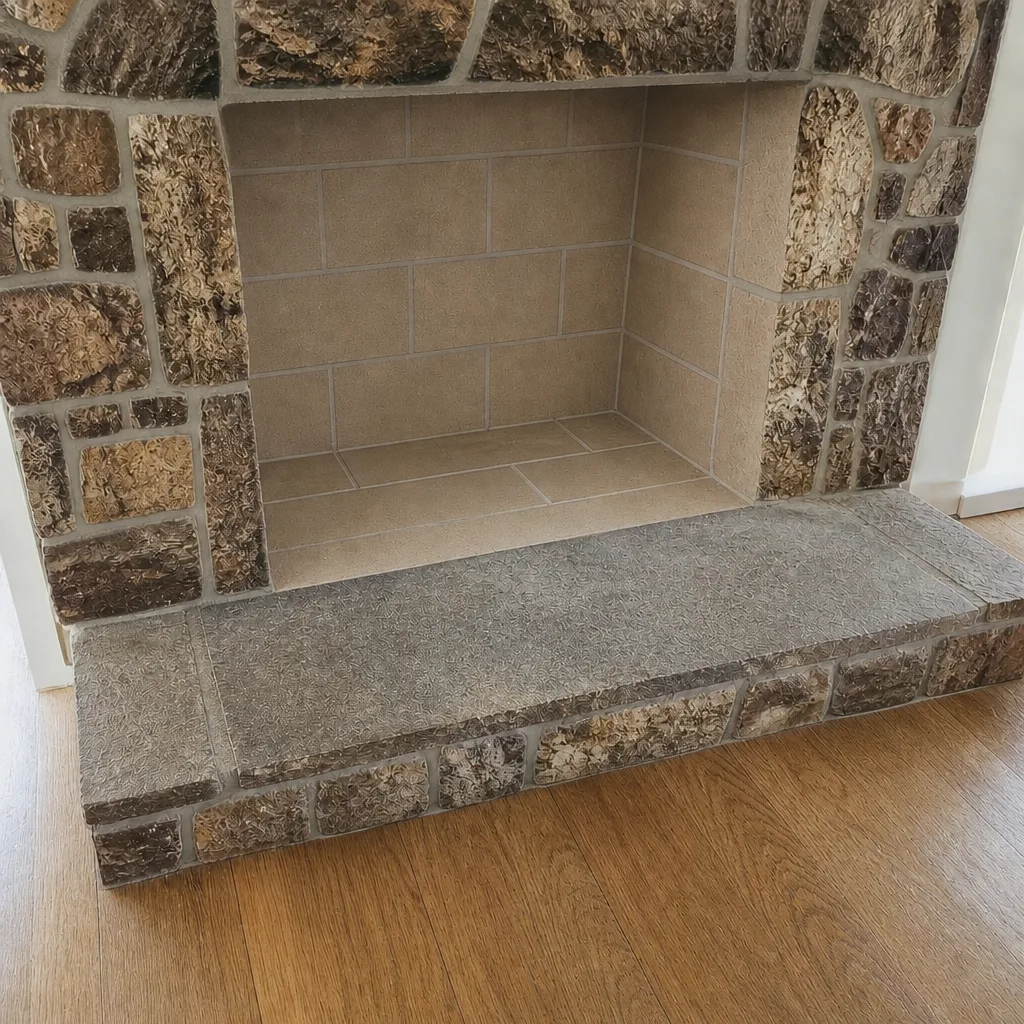
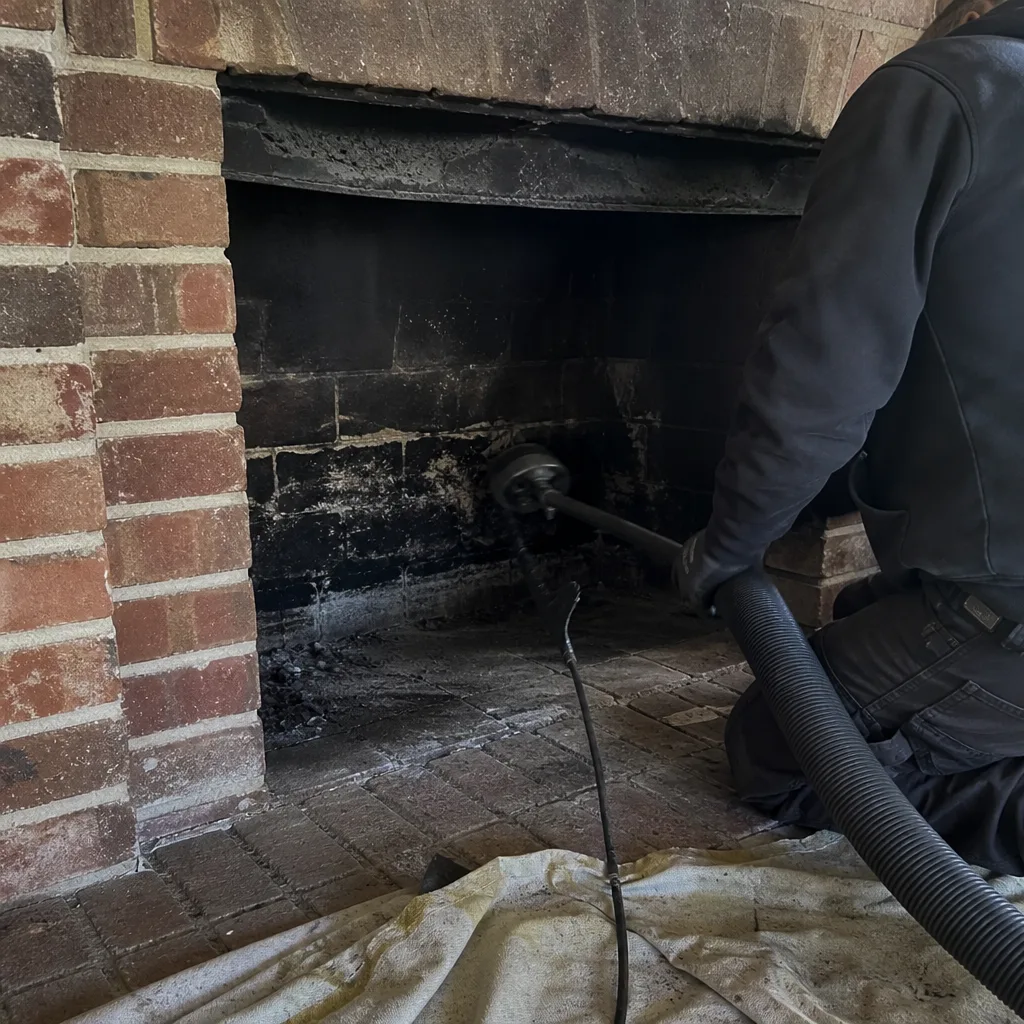
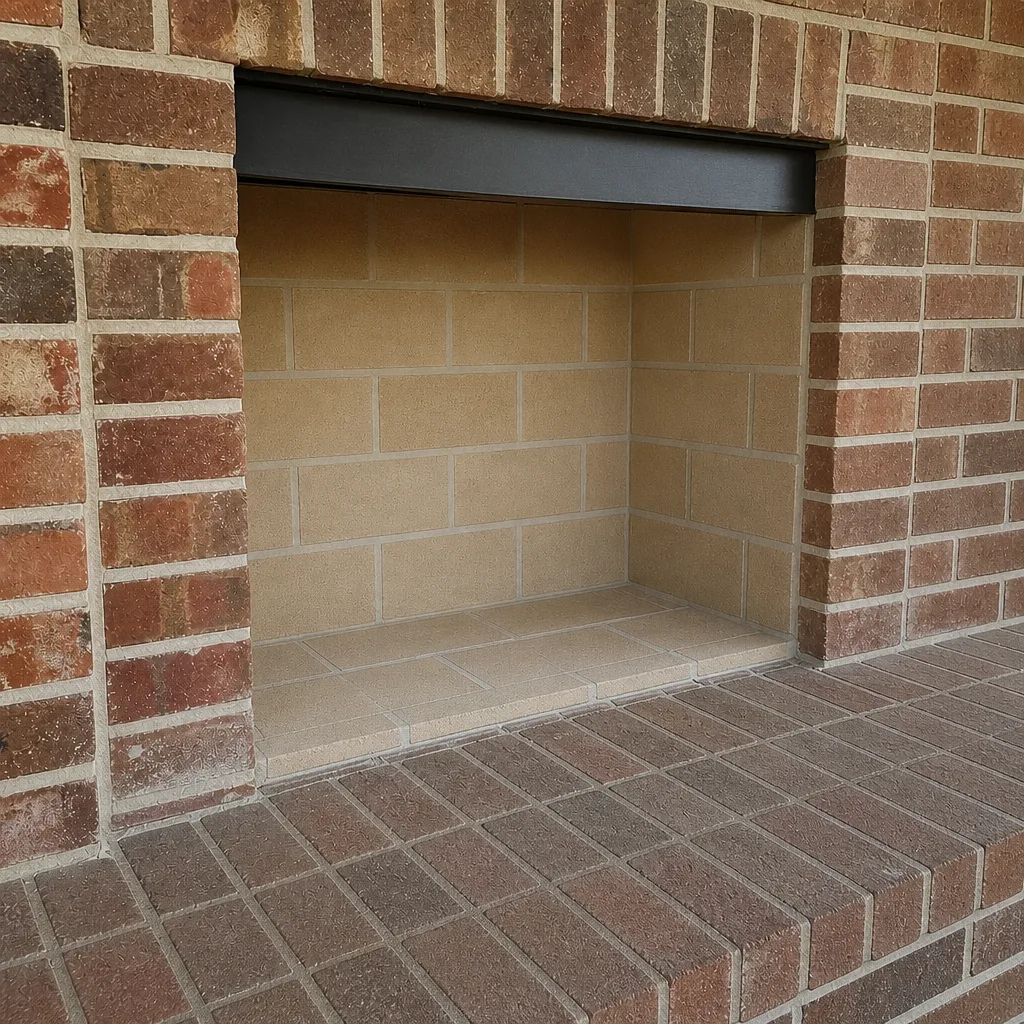
See the difference
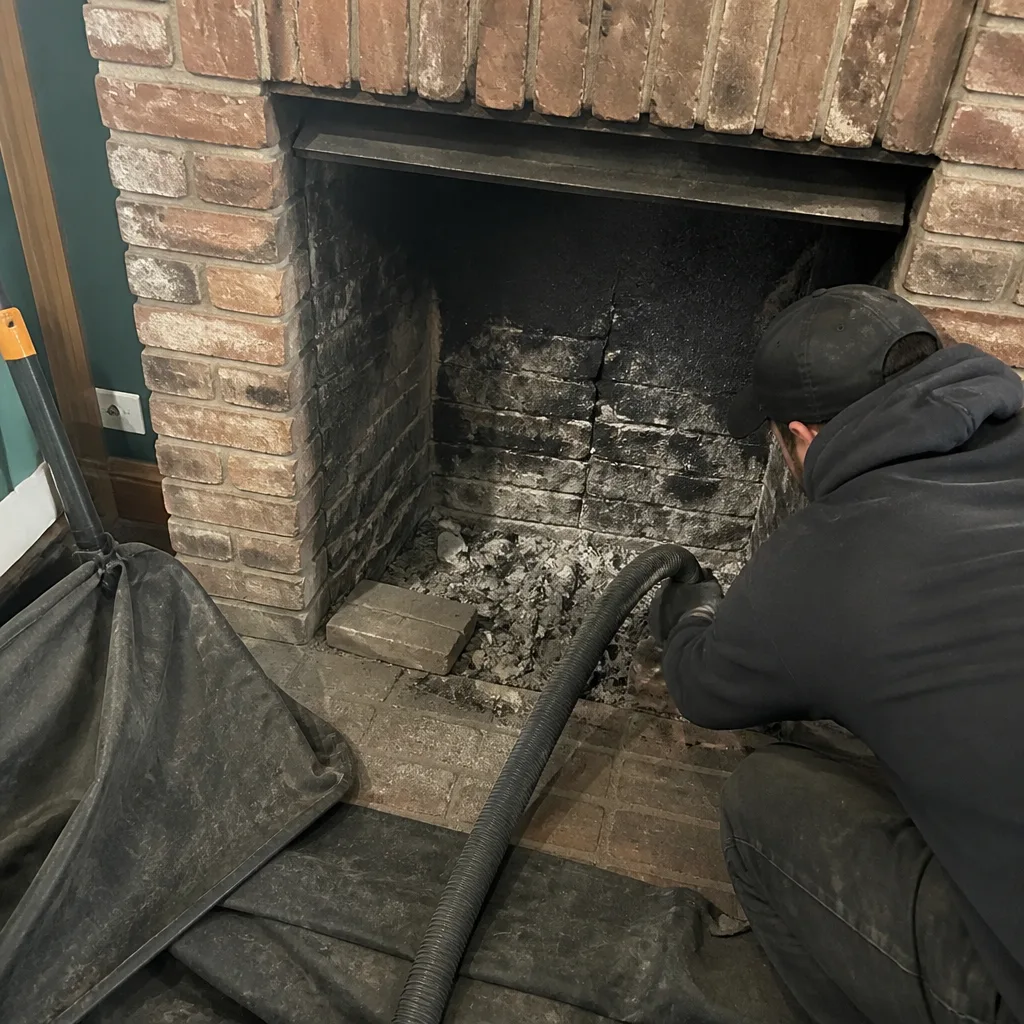 Before
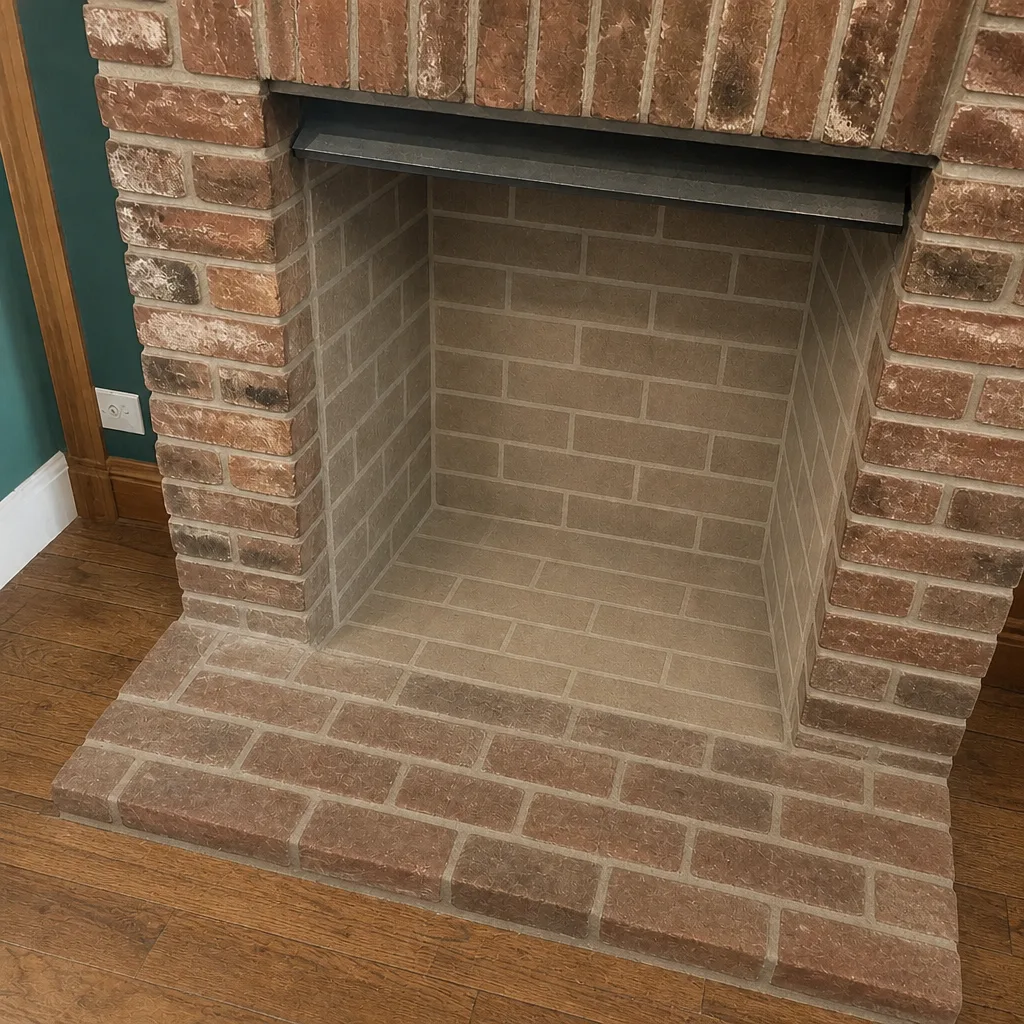 After
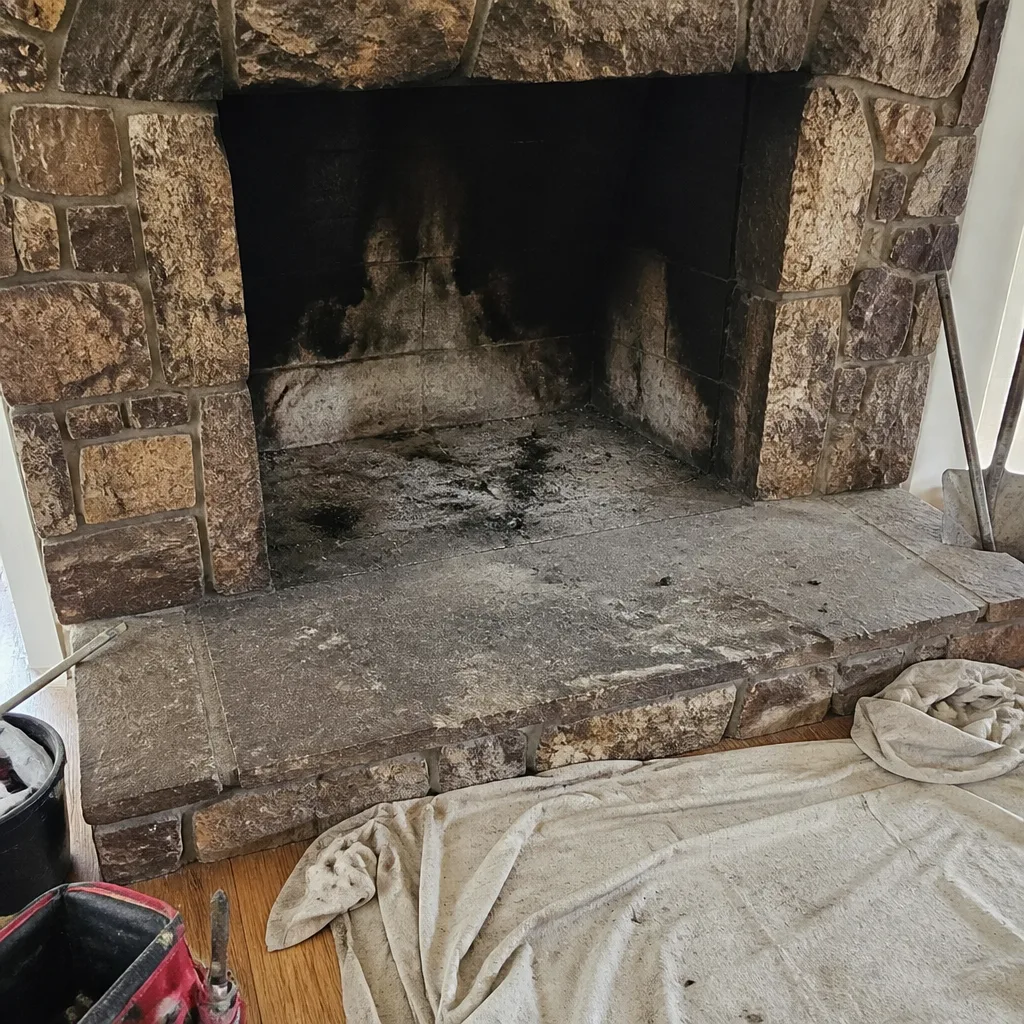 Before
 After
 Before
 After
When to Call a Professional
Call a professional when you can’t verify the condition of the flue, the liner, or the masonry on your own – which is most of the time. Specifically: when you’ve bought a house and don’t know the chimney’s history, when you’ve noticed new staining, a loose cap, or a ceiling drip after snowmelt, when you’ve had a chimney fire or a suspected one, and when it’s simply been a burning season since the last sweep. A trained technician can confirm the condition of the entire system, and our technicians have up to 13 years of experience reading exactly this kind of seasonal wear. Salt Lake City Chimney Sweep Co offers free estimates in Salt Lake City. Call (866) 947-8813. We answer 24/7. Fast dispatch from 7am to 7pm, Sunday through Friday. The written estimate sets the price, and the estimate is free.
Frequently Asked Questions
Once a year is the baseline for most wood-burning fireplaces, and twice a year is a reasonable routine if you burn heavily through the winter. The sweep should come before the season’s first sustained burning, with a second sweep after the season ends if you burn hot and often. During the heavy-burning months, the creosote builds fastest, so a mid-season check belongs on the calendar too. Call (866) 947-8813 for a free estimate – the price is set per job by the written estimate.
Routine chimney maintenance is priced per job by a written estimate, so the exact figure depends on the condition of the system and what needs doing. It’s a small cost next to the repair a missed crown or flashing problem can cause. We give free estimates and set the final price in writing before any work starts. Call (866) 947-8813 to get an exact quote – estimates are free.
Because Salt Lake City’s four seasons damage different parts of the chimney in different ways, and one annual visit only catches one season’s worth. Summer UV and heat crack the crown and cap, fall burning loads the flue with creosote, winter freeze-thaw attacks the mortar and brick, and spring moisture reveals what winter broke. A seasonal routine checks each component in the season it’s most vulnerable. To set up a seasonal care plan, call (866) 947-8813.
Not always. Often a deteriorating flue can be resurfaced instead of fully replaced, which is what HeatShield resurfacing is for. Whether your chimney needs resurfacing, a new liner, or nothing at all depends on the actual condition of the flue, and that’s determined by an inspection, not a guess. We’ll show you what we find and tell you plainly if the work can wait. Call (866) 947-8813 for an inspection and a free estimate.
The risks are real and they build over time. Creosote left in the flue is the fuel for a chimney fire, and a compromised liner or blocked flue can let carbon monoxide into the home. Exterior damage grows separately: a cracked crown or failing flashing lets water into the masonry, and winter freeze-thaw turns that into structural damage. None of it is a reason to panic. It’s a reason to schedule the work. Call (866) 947-8813 and we’ll get a trained technician out to assess it.
You can safely look at the exterior from the ground: brick, cap, staining, and anything obviously loose. What you shouldn’t do is assess the flue, the liner, or the crown from a ladder or from inside the firebox, because a wrong read on those parts is a safety risk. Leave the flue and liner to a trained technician. If anything you see from the ground concerns you, call (866) 947-8813 and we’ll take a proper look.
The Bottom Line
Chimney care in Salt Lake City is a four-part routine, not a single fall appointment. Summer protects the crown and cap from UV and heat, which is the same damage that becomes a winter failure. Fall is for the sweep before your first sustained fires. Winter is for watching creosote and the exterior during freeze-thaw. Spring is for tracing snowmelt and rain to the flashing and crown leaks they reveal, and getting the post-season inspection while the evidence is fresh. Keep the seasonal calendar above, run the ground-level checks in each season, and let a chimney specialist handle the flue and liner. That routine is how a chimney stays safe, clean, and structurally sound through a full Salt Lake City year.
Salt Lake City Chimney Sweep Co handles chimney sweeping, inspection, cap and crown work, fireplace repair, and chimney repair, and nothing else – one company for every chimney need, from a first inspection to long-term repair. If you’re ready to get your seasonal routine in place, call (866) 947-8813 for a free estimate. We answer 24/7. Fast dispatch from 7am to 7pm, Sunday through Friday.
Written by the team at Salt Lake City Chimney Sweep Co.