
Last updated November 25, 2026
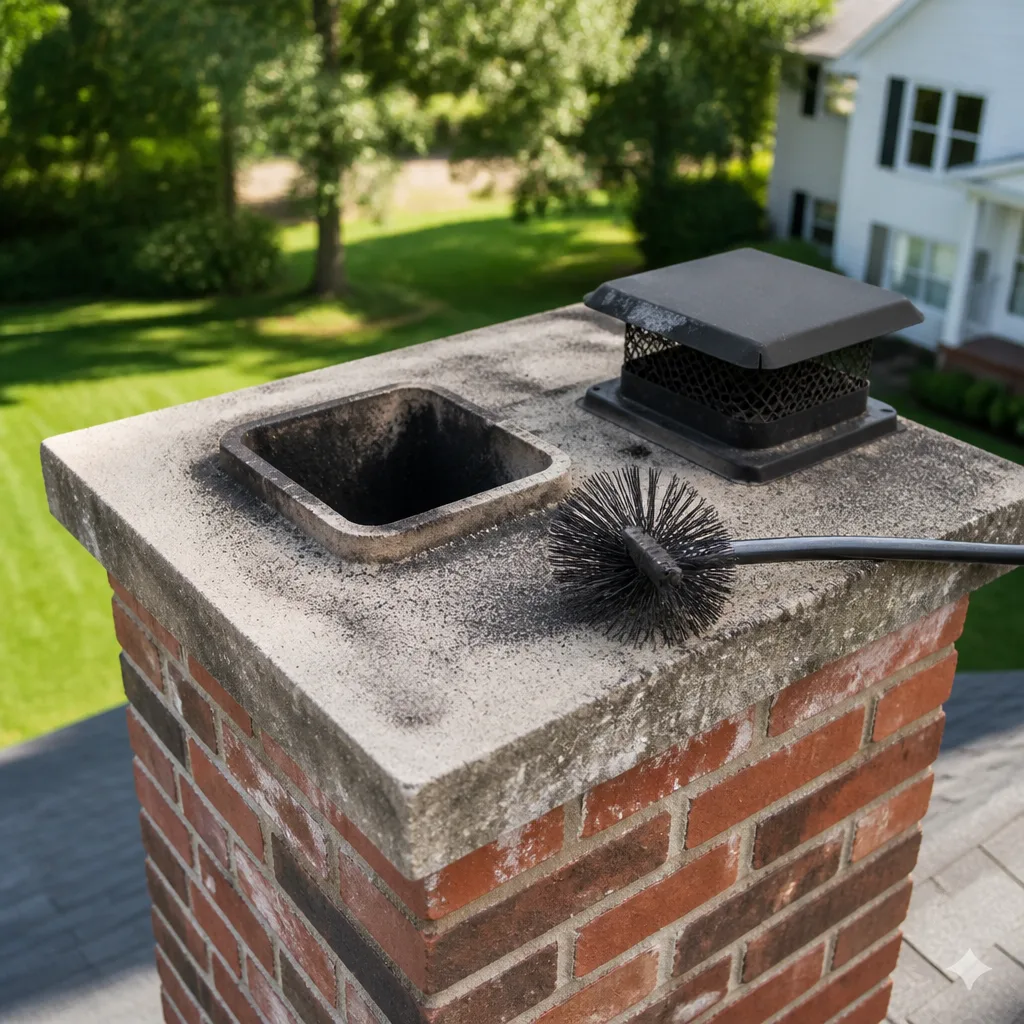 Sweep & inspection
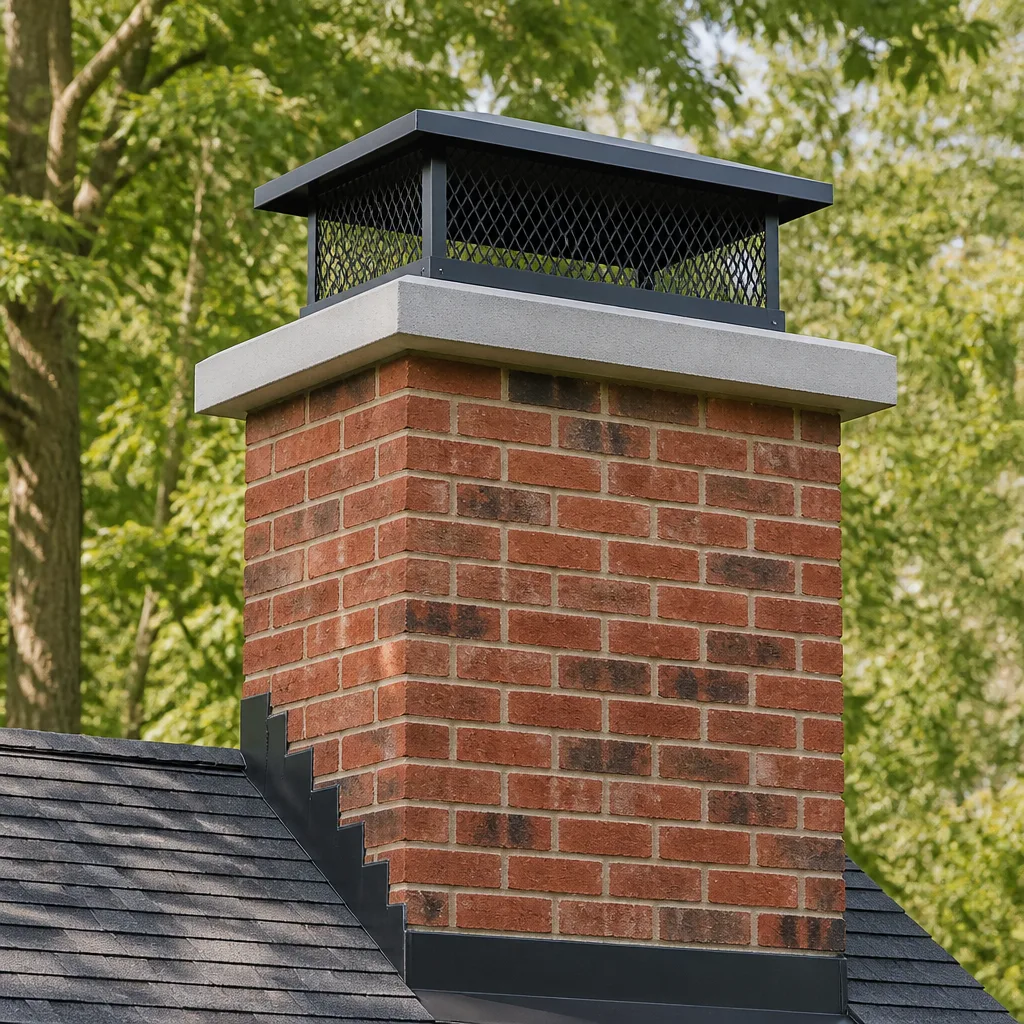 Caps & crowns
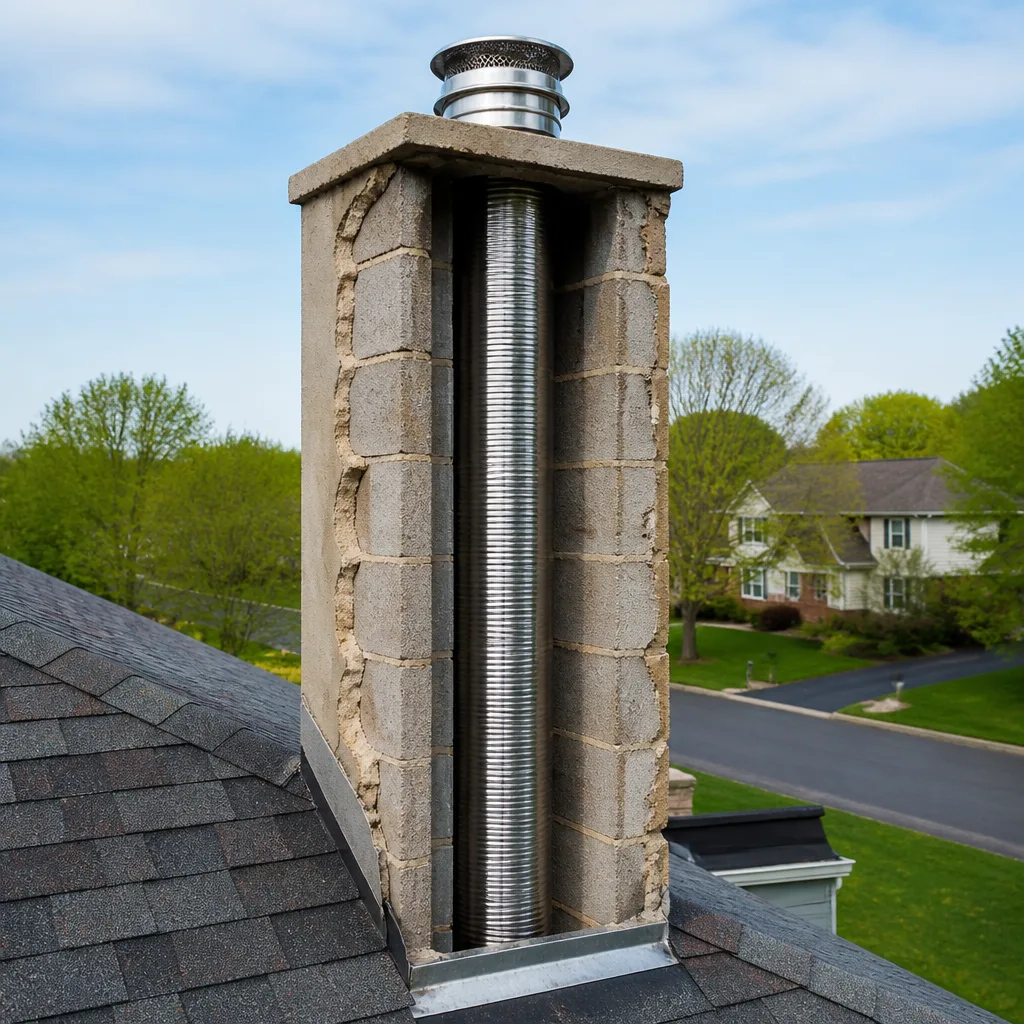 Flue relining
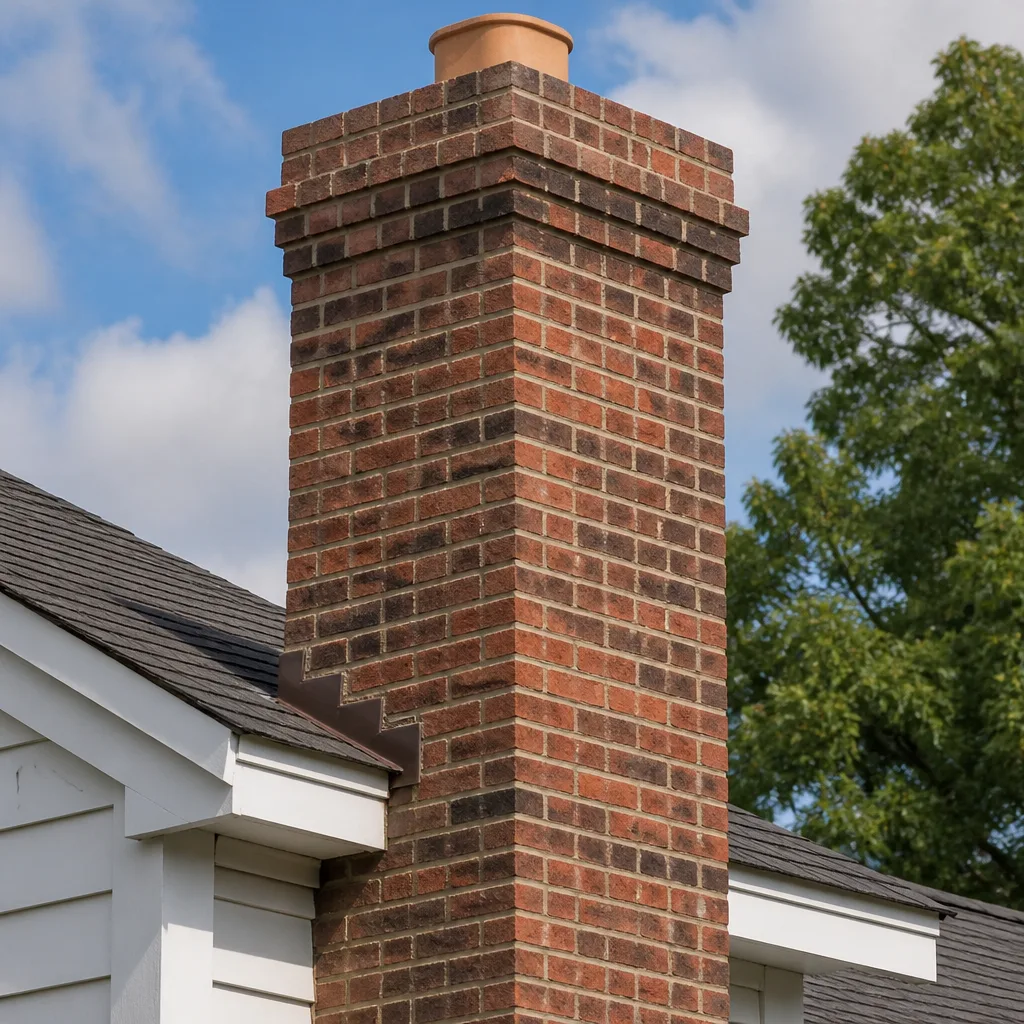 Masonry repair
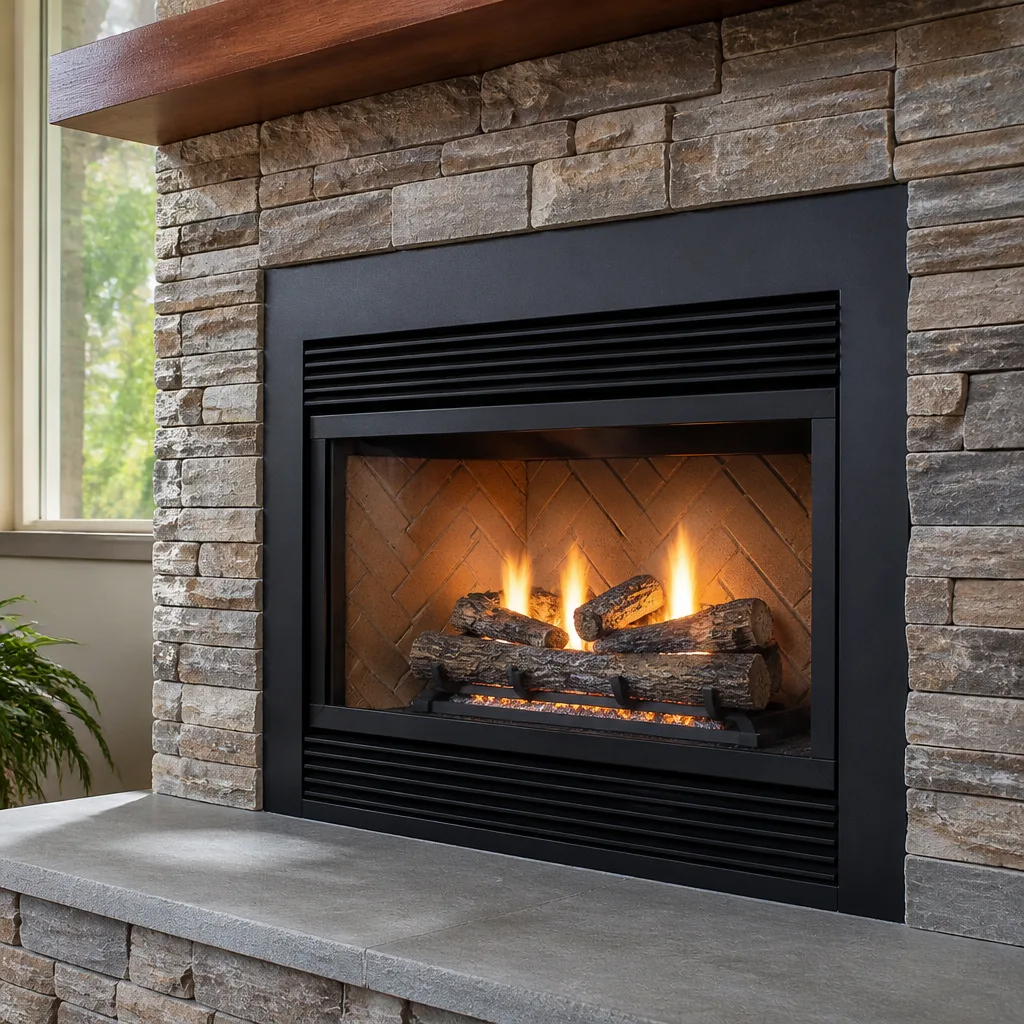 Gas fireplace service
Level 1 sweep and inspection to the NFPA 211 annual standard - flue, crown, cap, and flashing checked and photographed
Chimney sweep logs do not sweep chimneys. They loosen some creosote - which then falls where a brush and vacuum still have to collect it.
Chimney Cleaning Emergency Preparedness Guide for Salt Lake City Homes
Most homeowners think a chimney fire announces itself with a roar and a wall of flames. In our experience, that’s the exception. The chimney fires that do the most damage often start quiet, sound like distant rumbling or a low moan, and are over before anyone in the house realizes what happened. That’s why preparedness in Salt Lake City isn’t about keeping a bucket of water handy. It’s about knowing the sensory cues, drilling a three-step response, and never letting creosote build to the point where ignition is even possible. This guide walks through what a chimney fire actually looks, sounds, and smells like, what to do in the first minutes, and how post-fire repair decisions get made so you’ll know what to expect before you ever need to.
Quick Answer
If you suspect a chimney fire, close the damper, get everyone out of the house, and call 911. Do not put water on it. After any chimney fire, the flue needs a Level 2 inspection before it’s used again. The single best preparation is an annual chimney sweep that keeps creosote from reaching the ignition stage in the first place, especially if you burn heavily during Salt Lake City’s winter inversion season.
Styles & brands we work with
- Sweep & inspection
- Caps & crowns
- Flue relining
- Masonry repair
- Gas fireplace service
Table of Contents
- What Does a Chimney Fire Actually Look, Sound, and Smell Like?
- The First Three Minutes: What to Do and What Not to Do
- Why Creosote Buildup Drives Chimney Fires in Salt Lake City
- What a Level 2 Inspection After a Chimney Fire Looks For
- How to Build a Household Chimney Emergency Reference Before Inversion Season
- Post-Fire Repair: Relining vs. Rebuilding and What Drives the Timeline
- Cold-Start Fires, Inversion Days, and Why Sweep Timing Matters
- The Annual Preparedness Checklist for Salt Lake City Homes
What Does a Chimney Fire Actually Look, Sound, and Smell Like?
Recognizing a chimney fire is the first layer of preparedness. The problem is that the classic signs most people picture (flames shooting from the chimney top) belong to the loudest and least common type. Many chimney fires inside a home present much more subtly.
From inside the house, here’s what to watch for:
- Sound: A low rumbling, a distant roar, or a crackling that sounds like a freight train far off. Some fires produce a “whooshing” or tapping sound as debris is pulled up the flue. A pop or series of pops from inside the firebox can signal a small ignition event.
- Smell: A hot, acrid smell that is distinctly different from normal wood smoke. Some homeowners describe it as burnt rubber or hot metal. If you smell smoke inside the house when the damper is open and the fire is drawing, that’s a red flag even without visible flame.
- Sight: Puffs of black smoke from the chimney top that don’t match the fire below. Sparks or glowing embers escaping the chimney cap. Discolored or warped material at the cap. A draft that suddenly reverses or changes character mid-fire.
Outside, chimney fires can produce thick smoke, sparks, and visible flames at the crown. But the inside cues are the ones most likely to give you enough time to act. In Salt Lake City, where many homes sit close to neighbors on narrower lots in areas like Sugar House and the avenues, a fire visible at the top of one chimney is a cue for the entire block to take notice, not just the homeowner.
The First Three Minutes: What to Do and What Not to Do
When you suspect a chimney fire, seconds count. The correct response is short and simple, and it’s worth rehearsing so it’s automatic.
- Close the damper. Cutting off the air supply starves the fire. This alone can slow a fire that’s still contained to the flue.
- Call 911. Even if the fire seems to go out, chimney fires can re-ignite inside the flue. The fire department is trained to assess structural risk and check for fire that has extended into the framing.
- Exit the house. Every person out, then wait for the fire department to clear the structure.
What not to do, and why:
- Do not add water to the firebox. A sudden thermal shock to a hot masonry or metal flue can crack tiles and warp a liner. Water can also cause steam that injures anyone nearby and makes the flue harder for responders to assess.
- Do not try to fight it with a household extinguisher. Chimney fires burn inside a vertical column that a handheld extinguisher can’t reach. You’ll waste time you could spend exiting.
- Do not close the damper and then go back to check. A flue fire without oxygen doesn’t fully stop; it goes dormant and can flare when air returns. Leave the assessment to professionals.
The reason this response matters so much in Salt Lake City is the frequency of heavy burn days in December and January. A homeowner who burns constantly during an inversion and hasn’t swept in two seasons is burning in a flue that may already hold more than a quarter inch of creosote, which is the commonly cited threshold for ignition risk. chimney sweep service is what keeps that buildup from reaching the point where any of the above is necessary.
Why Creosote Buildup Drives Chimney Fires in Salt Lake City
Creosote is the unburned byproduct of wood combustion that condenses on the cooler surfaces of your flue. It comes in three stages, and the stage matters enormously for fire risk:
- Stage 1: Flaky, soot-like material. It brushes off easily during a routine sweep.
- Stage 2: Crumbly or tar-like. It clings to the flue wall and requires more effort and the right tools to remove.
- Stage 3: Glazed, hard, glassy. This is the fuel for the worst chimney fires. Once a flue reaches Stage 3, standard brushing may not remove it and the flue typically needs resurfacing with a product like HeatShield before the chimney should be used again.
Salt Lake City’s burn season creates a specific pattern that drives creosote faster than many homeowners expect. Cold air trapped under the inversion traps smoke in the valley and pushes homeowners to keep fires burning hotter and longer, often with green or poorly seasoned wood. Cooler flue temperatures from slow, smoldering fires compound the problem because unburned gases condense more readily. The combination of dense burn hours and cool flues is why the valley sees more of a creosote pattern that looks more like cold-climate markets in the Northeast than warmer, dryer climates where fires burn less often.
The practical takeaway: in Salt Lake City, a sweep every year, or more often if you burn daily, is the single most important preventive measure. If you can’t remember the last time your flue was brushed, that’s your sign to book one before the first cold snap of the season.
What a Level 2 Inspection After a Chimney Fire Looks For
After any chimney fire, even a small one, the flue must be inspected before it’s used again. Not a Level 1 visual check from the firebox, but a Level 2 inspection with a camera, which is the standard of care after a fire event.
A Level 2 inspection after a chimney fire looks for:
- Visible cracking or spalling in the flue tiles. Thermal shock from the fire can crack tiles and, in some cases, cause pieces to break loose.
- Warped or distorted liners. Metal liners can warp if temperatures got high enough. The camera reveals shape changes a homeowner can’t see from below.
- Missing or degraded mortar joints. Joints between clay tiles can fail after a hot fire, leaving gaps that allow gases into the surrounding framing.
- Creosote re-deposited in new patterns. A fire can bake glazed creosote in place, making the third-stage problem worse.
- Damage to the crown and cap. The top of the chimney takes the heat, and a chimney cap or crown can crack or loosen.
- Any fire extension into the chase or framing. Even small hidden areas of char need to be documented so they can be properly repaired.
In our experience, the value of a camera inspection after a fire is that it puts a photo or video record of the exact condition of the flue in front of the homeowner. No one should have to accept a recommendation for a costly relining on faith. A reputable post-fire inspection shows you what’s actually there before you make a decision. That’s the standard we hold ourselves to.
How to Build a Household Chimney Emergency Reference Before Inversion Season
The one preparation most homeowners skip is the simplest: writing down the information you’d need in an emergency before you need it. In a chimney fire, seconds count and memory fades under stress. Build a short household reference and post it where everyone can find it.
Include:
- The location of your fireplace damper control and how it operates. Some dampers are top-mounted and open from a lever or pull chain at the firebox, others are in the chimney throat. Make sure every adult in the house knows how to close it.
- The gas shutoff location for a gas fireplace insert or a gas log set. If your fireplace is gas-fired, the shutoff is your first move to stop fuel flow.
- The phone number for your chimney professional and your preferred contractor, written down, not just in your phone.
- The location of your fire extinguishers and their service date. Keep one rated for wood fires near the fireplace.
- The last sweep and inspection date. Write it on the card and update it each year. This makes it obvious if one has been skipped.
- The fire department’s non-emergency line alongside 911, since some post-fire follow-ups happen after the responders leave.
In Salt Lake City, this reference has an extra use: it doubles as the record you’ll need if you ever sell the home. Chimney records are one of the documents real estate inspectors ask for, and a card showing modern sweep dates is far more reassuring than a shrug. Consider it part of the paperwork you’d keep in the same folder as the furnace records and the roof warranty.
Post-Fire Repair: Relining vs. Rebuilding and What Drives the Timeline
Once the fire department has cleared the scene and a Level 2 inspection has been done, the real question is: how much repair does the flue need, and how long will it take? Here’s the honest structure of how those decisions get made.
Relining is the common outcome. When the flue tiles are cracked, missing, or have degraded joints but the chimney structure itself is intact, a new liner is the standard repair. A professional liner like DuraFlex or Olympia Chimney is insulated and sized to the flue and the appliance, and it can be installed inside the existing flue without rebuilding the masonry.
HeatShield resurfacing is the middle path. For flues that are still structurally sound but have deteriorated tiles or pitted liners, resurfacing can extend the life of the chimney without a full reline. This is a capability worth asking about because it lets a homeowner avoid taking on a much larger repair than the damage requires.
Rebuilding is reserved for structural damage. If the fire compromised the chimney’s masonry structure, or the crown and cap are beyond repair, the timeline expands because the chimney has to be stabilized before the flue work is done. A new crown and cap from a maker like Gelco or Famco is a normal part of this stage.
What drives the timeline:
- The scope of the inspection findings, which is the whole reason a camera is used.
- Whether the repair is a liner, a resurface, or a rebuild.
- Seasonal demand. Late fall is the busiest time for chimney work in Salt Lake City, and homeowners who call in October for a winter repair should expect a longer wait than those who book in late summer.
- Permit requirements, which vary by municipality and should be confirmed with the local building department.
The bigger picture: the homeowner who sweeps every year rarely faces a post-fire repair of any kind. That’s the reason preventive maintenance is the whole game.
Cold-Start Fires, Inversion Days, and Why Sweep Timing Matters
Two Salt Lake City-specific conditions shape how a chimney behaves and how much risk builds up in a flue over a single winter.
Cold-start fires. In an older masonry chimney, the flue is cold when a fire is first lit. Smoke cools as it rises and condenses on the flue walls until the chimney warms up. If a homeowner lights a fire, lets it burn for a few minutes, and then closes the damper, the flue fills with smoke that never exits. Each of those cold-start events leaves a little creosote behind. Over a winter of frequent short fires, that adds up to a much bigger creosote load than a few long, hot fires would produce.
Inversion days. A strong inversion traps cold air in the valley. That reduces draft at the chimney top, which means the fire burns cooler and smokes more, which means more condensation in the flue. Burning all day during an inversion is exactly the pattern that drives Stage 2 and Stage 3 creosote.
What that means practically:
- In Salt Lake City, the best sweep time is late summer or early fall, before the burn season starts. Booking the sweep before the first cold week avoids the busiest scheduling window.
- If you burned heavily during a long inversion stretch, consider a mid-season inspection. Creosote can build faster than a homeowner expects.
- Burn dry, seasoned wood. The wetter the wood, the cooler the fire and the more creosote condenses on the flue.
- Use smaller, hotter fires rather than long, slow smoldering ones. Slow burns look efficient but they’re the biggest creosote builders.
If any of this describes your current setup, an appointment with a specialist is the right next step. We work on nothing but chimneys and fireplaces, and our Salt Lake City Chimney Sweep Co team can give you a clear picture of what your flue needs.
The Annual Preparedness Checklist for Salt Lake City Homes
Here’s the full sequence, from a home that’s never been prepared to one that’s ready for whatever the burn season throws at it. Do these in order:
- Check the last sweep date. If it’s more than a year old, or you can’t find it, book a sweep.
- Book a Level 1 inspection with the sweep. A visual inspection at the firebox and flue top catches most issues before they become emergencies.
- Upgrade to a Level 2 inspection if your home is new to you, you’ve changed appliances, you’ve had a chimney fire, or it’s been several years since a camera has been in the flue.
- Confirm a cap and crown are in good shape. A sealed crown and an intact cap keep water and animals out of the flue. If either is failing, schedule chimney cap & crown work.
- Have your fireplace inspected if it’s gas. Gas units need servicing too, and a fireplace repair visit catches a failing igniter, a blocked vent, or a log set with issues before the season starts.
- Write your household emergency card and post it near the fireplace.
- Store only dry, seasoned wood and keep the woodpile away from the house.
- Test your smoke and carbon monoxide detectors and replace the batteries. A chimney ultimately feeds a fire that can spread, and detectors give everyone the early warning even in a well-maintained home.
That’s the whole list. None of it is dramatic. It takes a Saturday afternoon to set up the first time and a couple of phone calls each year after that.
Common Mistakes to Avoid
- Skipping the sweep because “we only burned a little.” Creosote accumulates based on smoke contact with the flue, not just on burn hours. A chimney that ran through a long inversion with a smoldering fire can accumulate more buildup than one burned hot a few times.
- Burning green or damp wood to stretch the woodpile. Wet wood burns cooler and the extra moisture creates more creosote condensation. In Salt Lake City’s dry climate it’s tempting to rely on whatever’s on the woodpile; buy seasoned or stack it a full season ahead.
- Treating a chimney fire as “no big deal” if it self-extinguished. A fire that goes out without intervention still needs a Level 2 inspection before the chimney is used. Damage lurks in cracks you can’t see from below.
- Waiting until late November to book a sweep. Salt Lake City schedules fill quickly once the first cold snap hits. Book in late summer or early fall.
- Adding water to a firebox mid-fire. Thermal shock can crack flue tiles and warp a liner, turning a small problem into a full relining job.
- Hiring a general handyman for chimney work. Sweeping, inspection, liner work, and cap and crown installation are specialized tasks. A chimney-only specialist knows what a camera in a flue is looking for and what a Stage 3 glazed flue really needs.
- Ignoring a gas fireplace that hasn’t been serviced. Gas units don’t build creosote the way wood does, but they still have venting, burners, and controls that need attention each year.
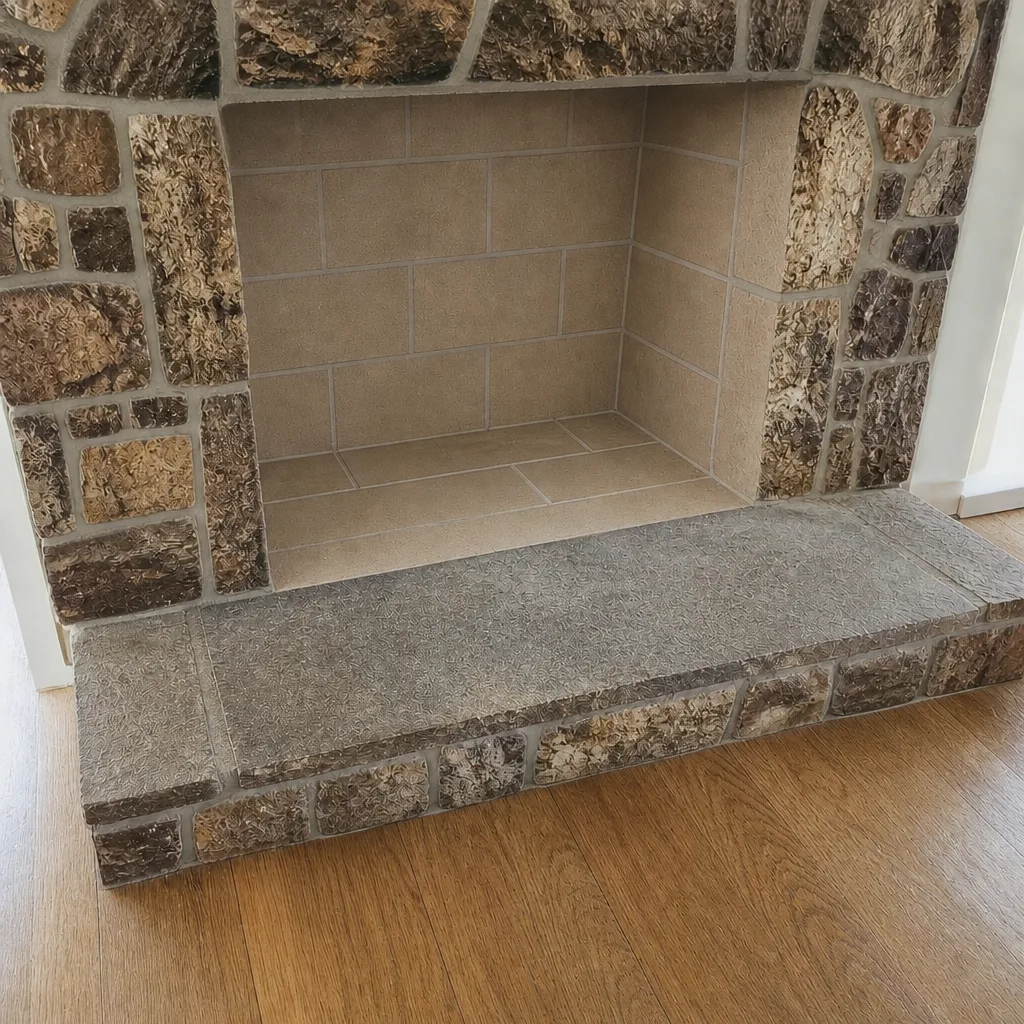
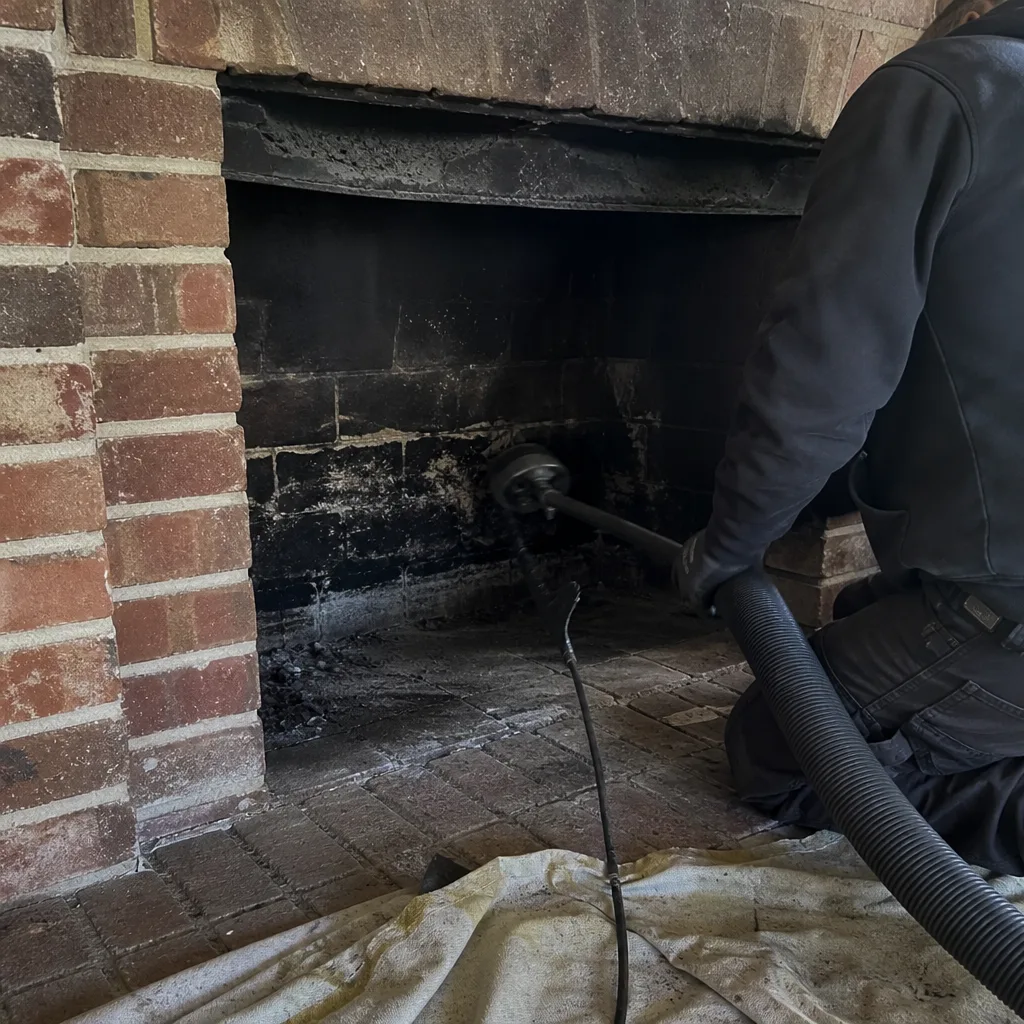
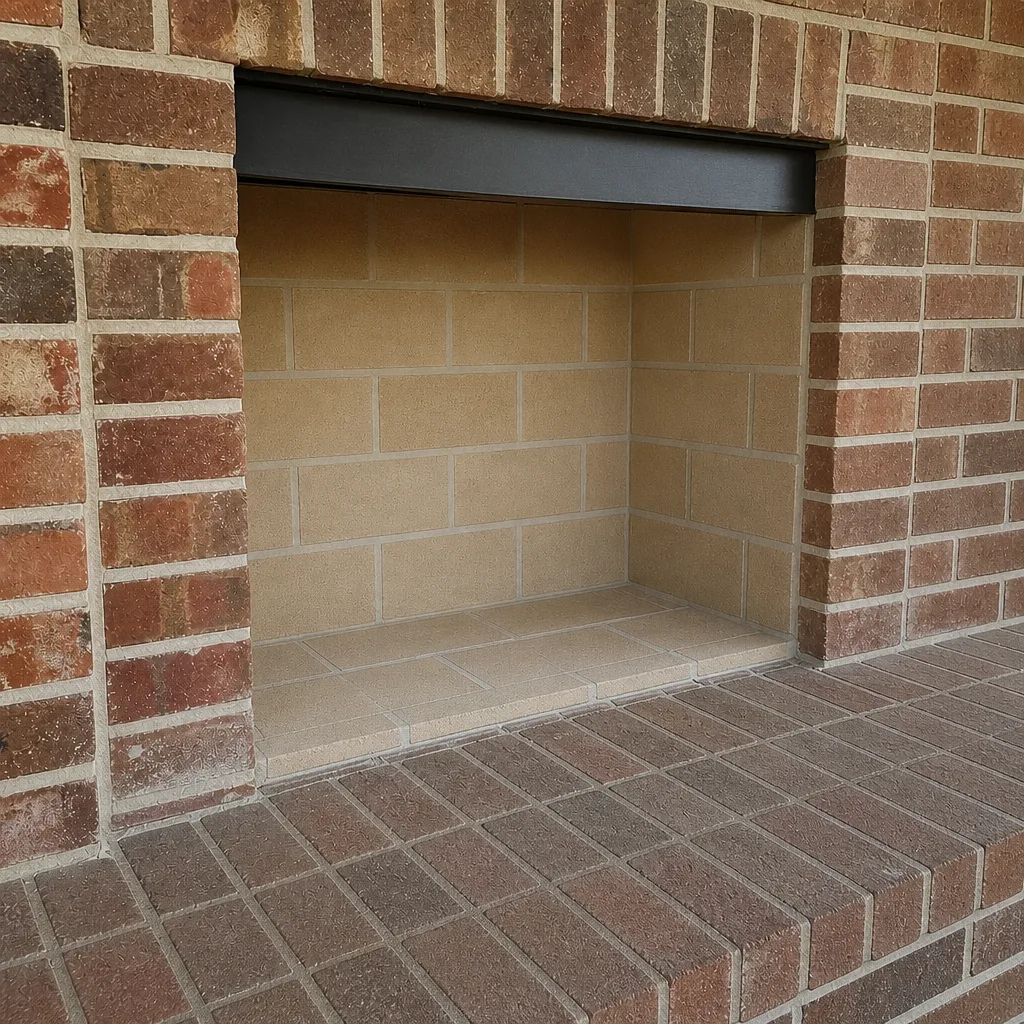
See the difference
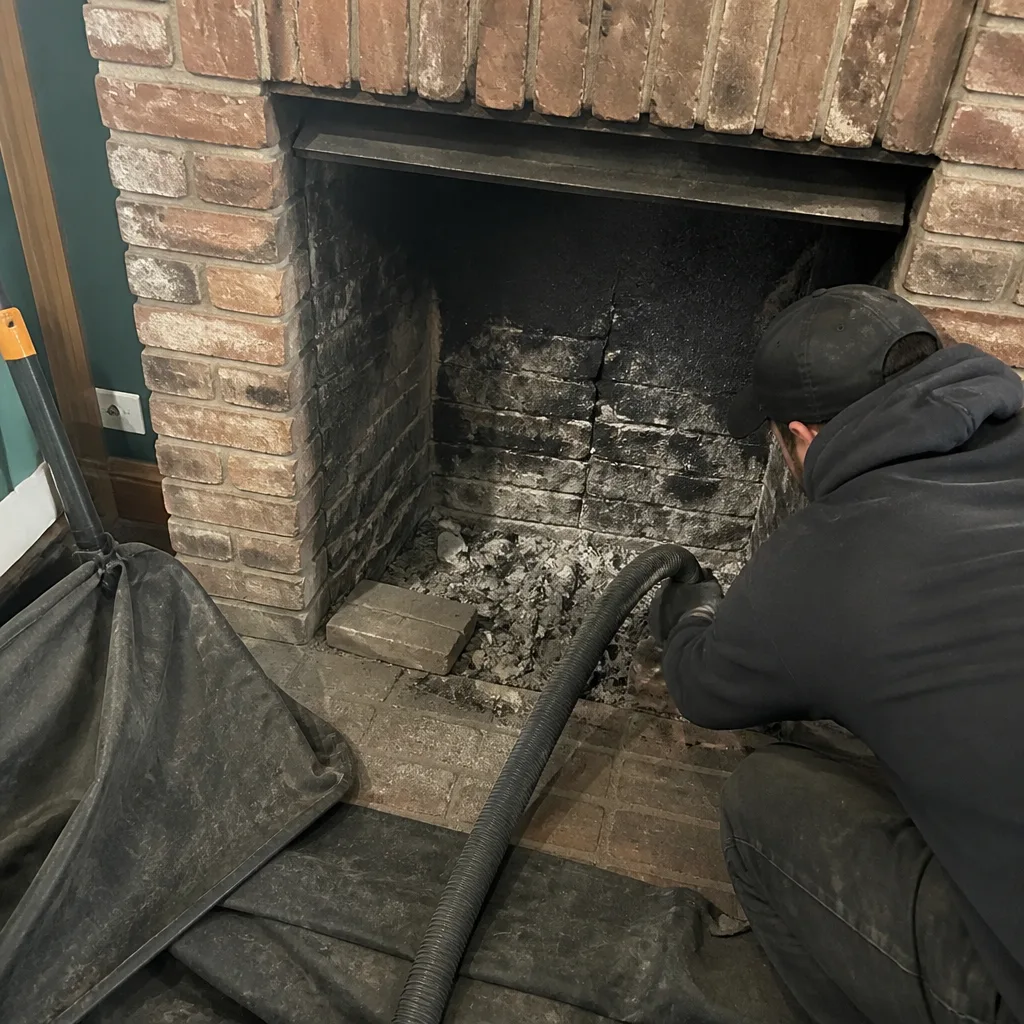 Before
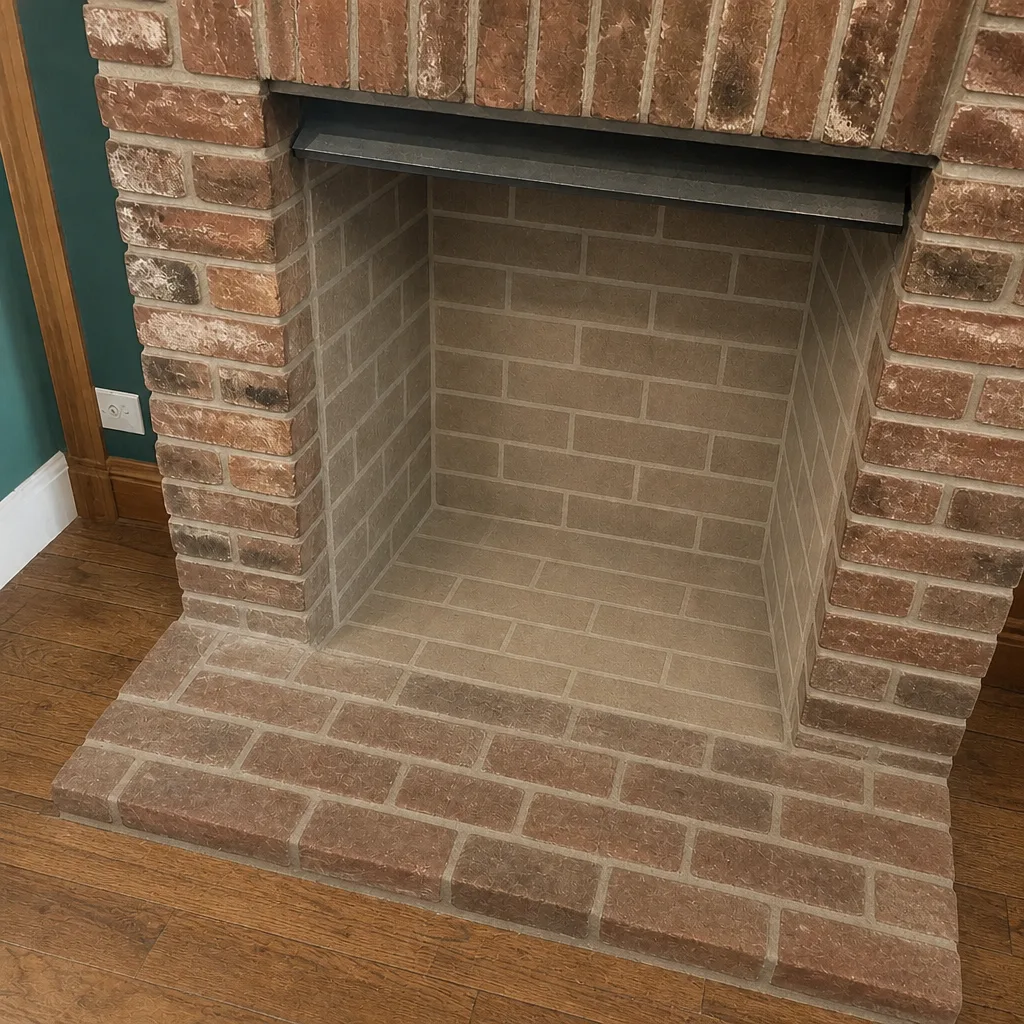 After
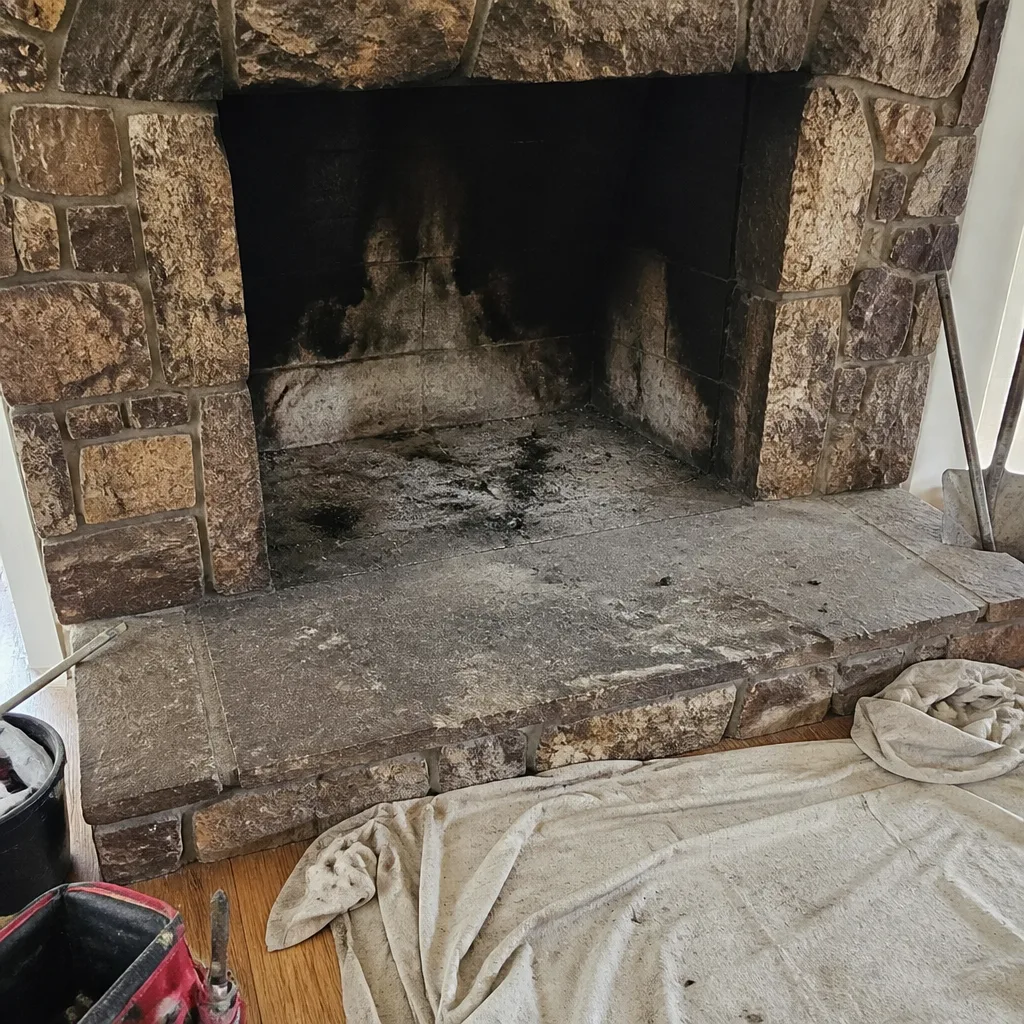 Before
 After
 Before
 After
When to Call a Professional
Call for a professional chimney evaluation if any of these are true: you’ve had any chimney fire, even a small one; your last sweep was more than a year ago; you’ve smelled smoke inside the house when the damper is open; you see black or shiny glaze at the top of the firebox; a cap is cracked or missing; your crown has visible cracks; you’ve never had a camera in the flue; or you’ve just moved into a home with a chimney and don’t have records. Salt Lake City Chimney Sweep Co offers free estimates in Salt Lake City. Call (866) 947-8813. We answer 24/7. Fast dispatch from 7am to 7pm, Sunday through Friday. Our technicians have up to 13 years of experience, and every sweep ends with a camera look and a photo report so you can see the condition of your own flue for yourself.
Frequently Asked Questions
Yes. A Level 2 inspection with a camera is the standard of care after any chimney fire, because visible damage at the firebox rarely tells the whole story and the cracks that matter most are inside the flue. A camera inspection shows you the actual condition of every tile, joint, and liner section before you make any repair decision. Call (866) 947-8813 to book one; estimates are free.
Once a year for most homes, and more often if you burn frequently through the inversion season. The goal is to keep creosote from reaching the Stage 2 or Stage 3 level, where ignition risk climbs and standard brushing may not be enough. If you can’t remember your last sweep, that’s your sign to call. Call (866) 947-8813 for an exact quote; estimates are free.
Sometimes, yes, a chimney fire can self-extinguish when the fuel burns down and the flue cools, but that does not make the chimney safe to reuse. The heat exposure is what does the damage, and cracks or warped liners can be there even after the flames are gone. A Level 2 inspection is the only way to know. Call (866) 947-8813 and we’ll get one scheduled.
Creosote keeps accumulating until the flue reaches a stage where even a routine fire can ignite it. The result ranges from a small contained fire to a flue fire that extends into the framing, and the repair often shifts from a sweep to a reline or a resurfacing. Skipping the sweep isn’t a savings; it’s a deferred cost. Call (866) 947-8813 for an exact quote; estimates are free.
Only if the camera shows your flue has cracked, missing, or badly degraded tiles beyond what HeatShield resurfacing can correct. The right answer is the one your inspection supports, not the one that sells the biggest job. Ask for the photo or video record before you agree to any relining.
Yes. A gas fireplace doesn’t build creosote the way wood does, but the venting, burners, and controls still need annual inspection, and a venting issue is just as important on a gas fireplace as on a wood one. If you notice a smell of gas, a weak flame, or a unit that won’t stay lit, call before the season starts. Call (866) 947-8813; estimates are free.
The Bottom Line
Preparedness for a chimney fire comes down to three things: knowing the cues, knowing the response, and never letting creosote build to the point where the cues matter. In Salt Lake City, inversion-season burn patterns make the third item urgent, because the customers who burn the most are exactly the ones who skip the annual sweep. Book the sweep before the season starts. Get a camera inspection after any fire event, no matter how small. Post your household emergency card near the fireplace. And if you find yourself wondering whether your flue is in good shape, don’t guess. Salt Lake City Chimney Sweep Co handles sweeping, inspection, cap and crown work, fireplace repair, and chimney repair from one company, and we use professional-grade materials like HeatShield, Gelco, and Olympia Chimney on every job. Call (866) 947-8813 for a free estimate. We answer 24/7. Fast dispatch from 7am to 7pm, Sunday through Friday.
Written by the team at Salt Lake City Chimney Sweep Co.