
Last updated November 25, 2026
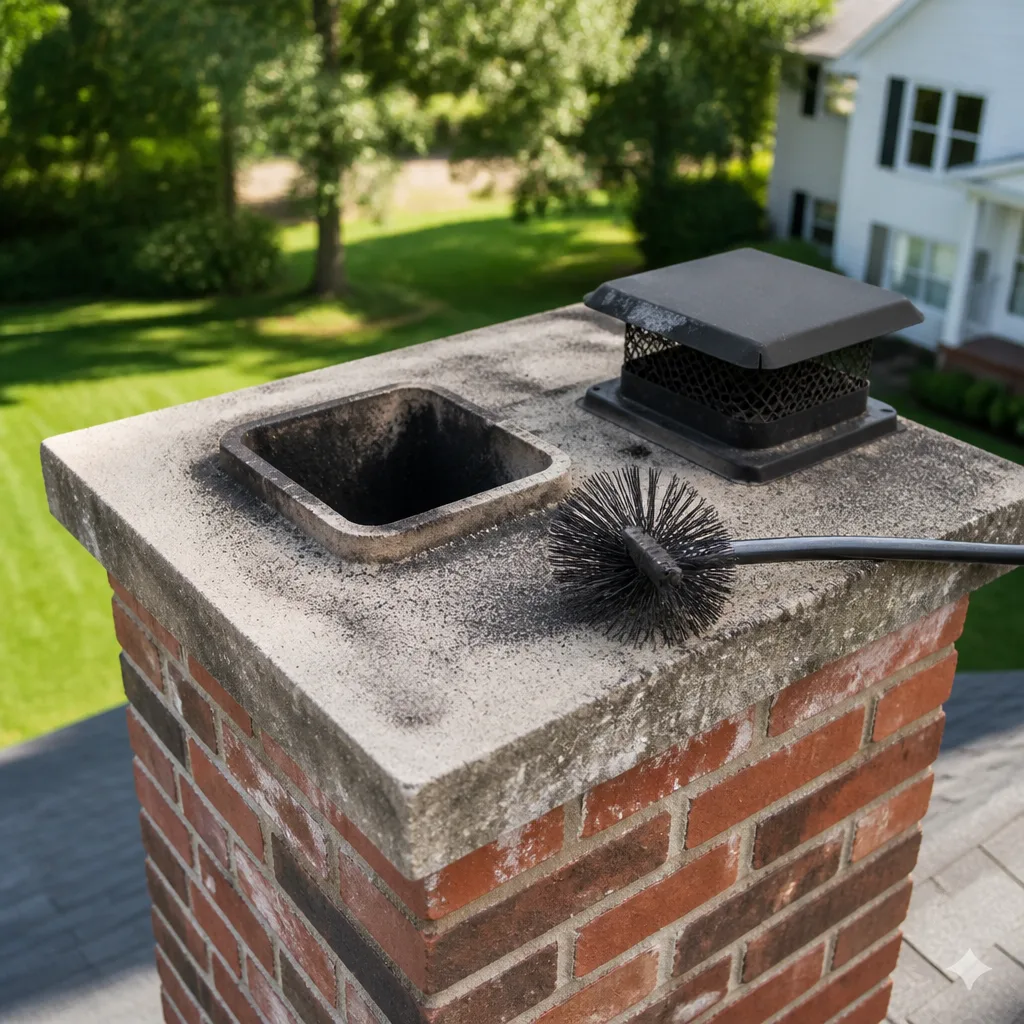 Sweep & inspection
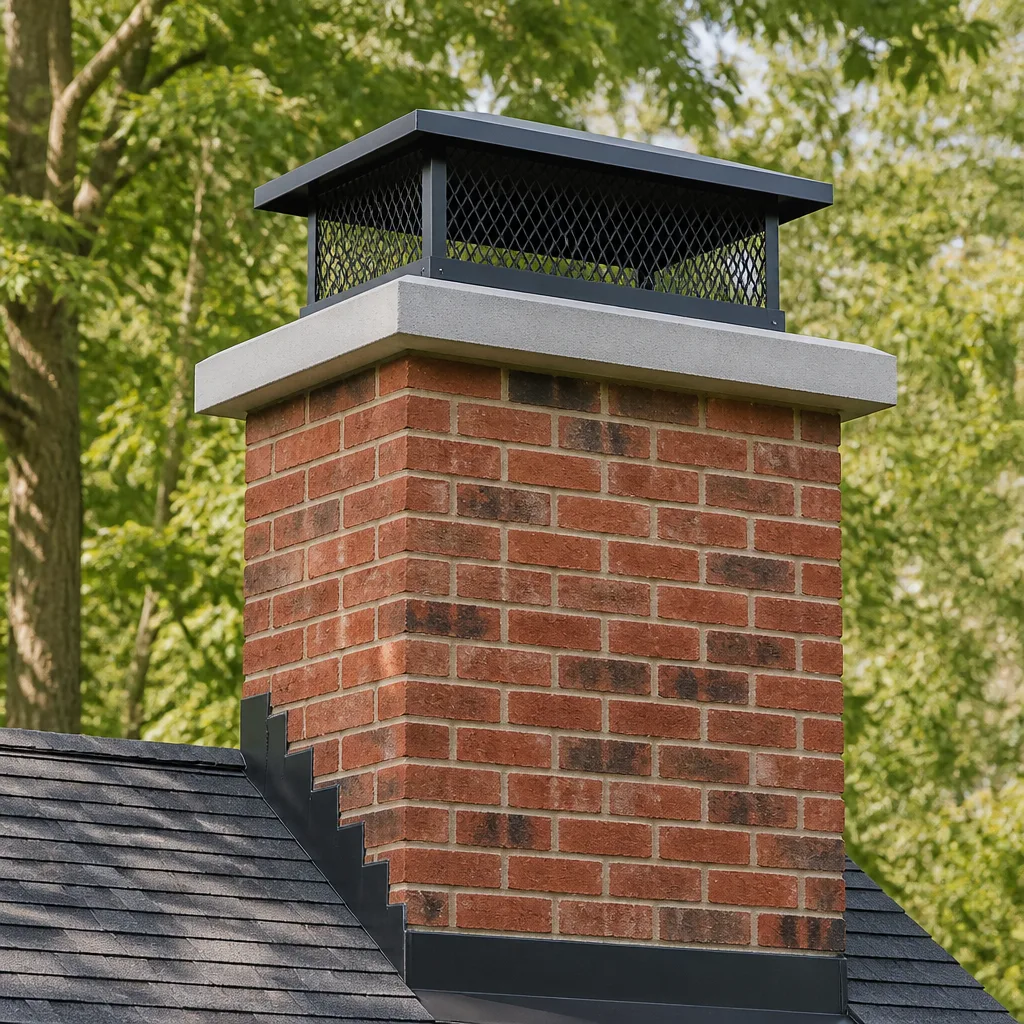 Caps & crowns
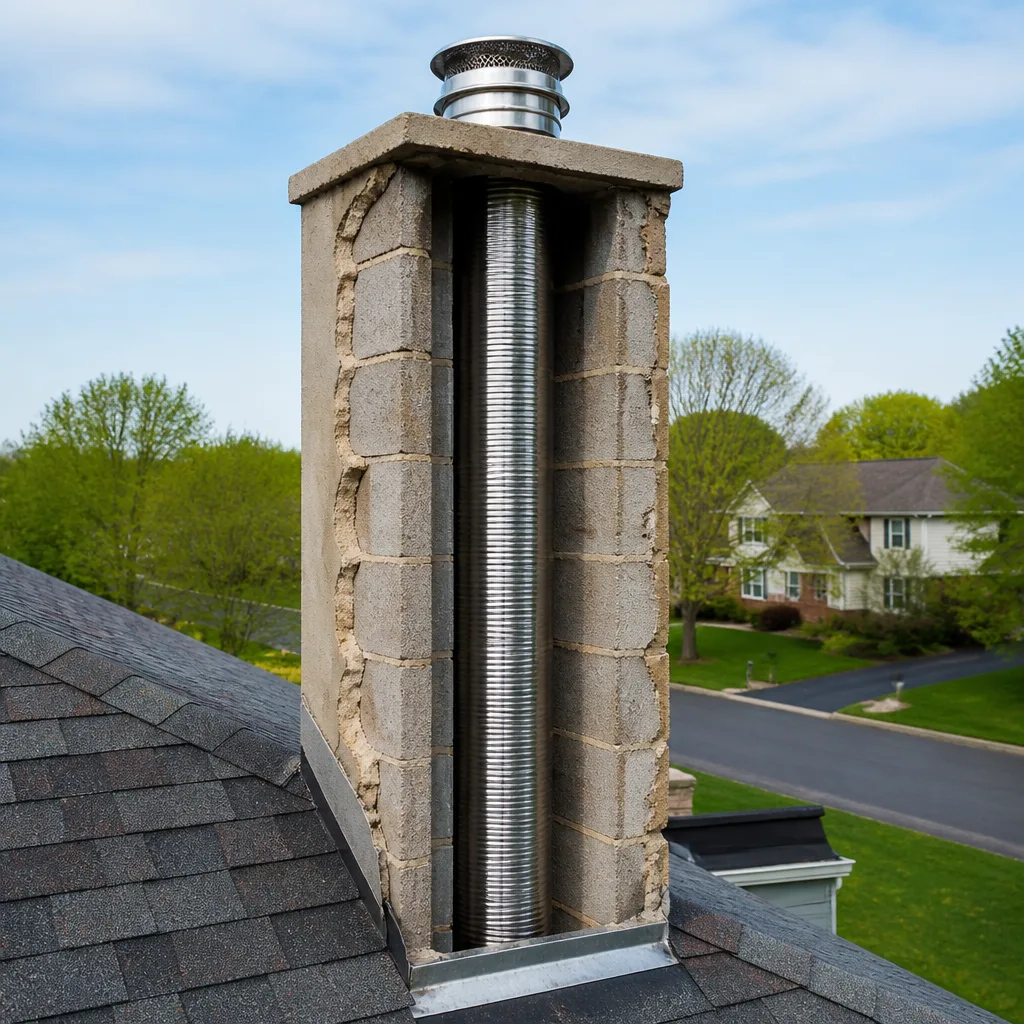 Flue relining
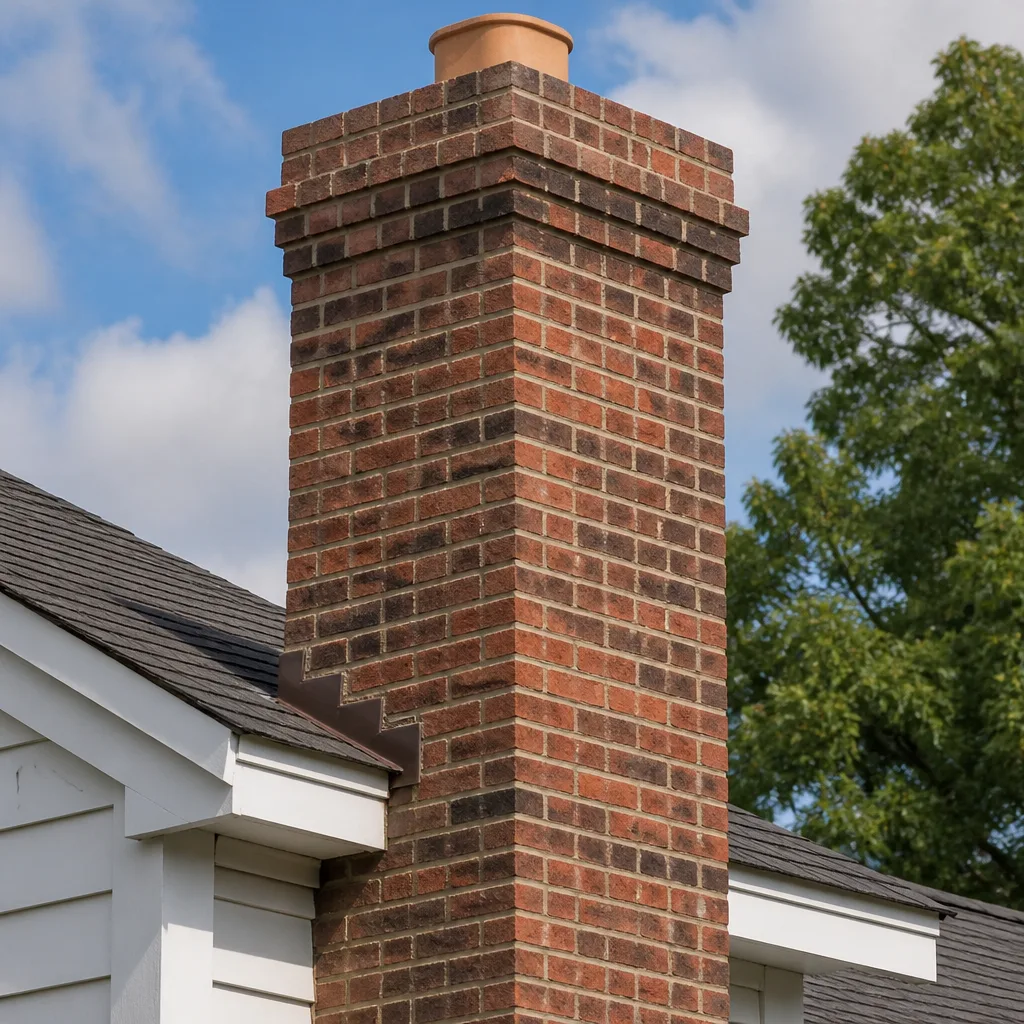 Masonry repair
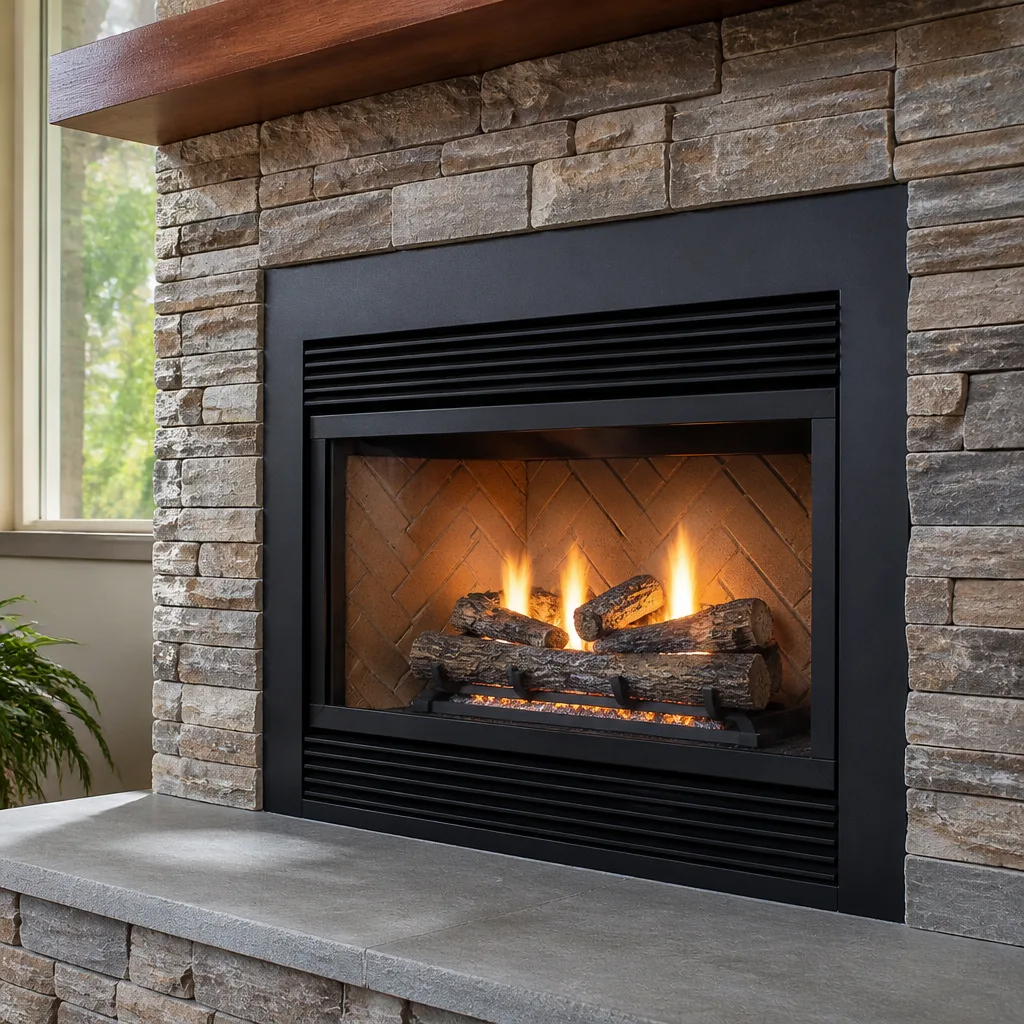 Gas fireplace service
Level 1 sweep and inspection to the NFPA 211 annual standard - flue, crown, cap, and flashing checked and photographed
Chimney sweep logs do not sweep chimneys. They loosen some creosote - which then falls where a brush and vacuum still have to collect it.
Chimney Sweep Maintenance Checklist for Salt Lake City Homeowners
The repairs that hurt most are the ones nobody saw coming. In our experience along the Wasatch Front, a chimney that needs a full reline or a rebuilt crown almost always gave a warning a season or two in advance: a hairline crack in the mortar, a rusty cap screw, a little crumbled masonry on the hearth. The homeowner wasn’t careless. They just didn’t have a checklist that matched how a Salt Lake City chimney actually ages through Utah’s seasons. This guide fixes that. You’ll get a month-by-month maintenance schedule built around our real calendar, the safe visual checkpoints you can do from the ground, how to photograph your chimney so you have a yearly baseline, and clear guidance on when a visual check is enough versus when you need a professional. No ladder required for most of it.
Quick Answer
A complete chimney maintenance routine in Salt Lake City means sweeping and inspecting once a year, checking the cap, crown, and flashing by eye every season, and scheduling repairs in the summer when the mortar work is actually practical. Homeowners who burn wood should book a sweep and inspection before the heating season, and everyone should do a quick ground-level visual check after the spring thaw. Skipping the small, free checkpoints is what turns a minor mortar crack into a large bill a year later.
Styles & brands we work with
- Sweep & inspection
- Caps & crowns
- Flue relining
- Masonry repair
- Gas fireplace service
Table of Contents
- Why Salt Lake City Chimneys Age Differently
- The Month-by-Month Maintenance Calendar
- The Ground-Level Checkpoints You Can Do Safely
- What to Look For on the Crown, Cap, and Flashing
- When a Visual Check Is Enough and When to Call a Professional
- How to Photograph and Document Your Chimney Year Over Year
- How Often Should a Salt Lake City Chimney Be Swept?
- Why Summer Is the Practical Window for Chimney Repair
Why Salt Lake City Chimneys Age Differently
A chimney in Salt Lake City lives a harder life than the same chimney in a mild coastal climate. Three local forces do most of the damage, and once you understand them the rest of this checklist makes sense.
The first is freeze-thaw. Our winters swing above and below freezing repeatedly, and masonry is porous. Moisture soaks into mortar joints and brick faces, then expands when it freezes and contracts when it thaws. Do that a few hundred times over a winter on the same crown edge and small cracks open into real ones. Spring is when you see the evidence: sand-colored grit on the roof, a joint that looks wider than it did in fall, a spalled brick face. That is why this guide puts a masonry check right after the thaw rather than lumping it into a generic “spring cleaning” section.
The second is winter inversion and wood smoke. When the valley traps cold air under a warm layer, smoke from wood-burning fireplaces lingers near the ground instead of dispersing. That’s a reason to burn dry, seasoned wood and keep your flue clear, and it’s also a reason our customers tend to think about their chimneys once the air turns. A partially blocked or heavily glazed flue makes an inversion day worse for everyone on the block, including you.
The third is the dry summer stretch. Months of low humidity pull moisture out of masonry and warp wood framing around the firebox. The same seasons that make repair work easy also reveal which joints were already weak. Most of the structural repair and cap and crown work we do is scheduled between late spring and early fall because the materials cure properly and the weather cooperates. A Salt Lake City chimney moves through an annual stress cycle that rewards a homeowner who checks at the right moments. That’s the whole idea behind the calendar below.
The Month-by-Month Maintenance Calendar
Generic checklists split the year into spring and fall. A Salt Lake City chimney needs finer timing than that. Here’s how we think about the year, task by task. None of the homeowner checkpoints require a roof visit.
January and February – mid-winter watch. You’re burning most now. Keep an eye on draft: if smoke rolls into the room at startup or the fire struggles, the flue is likely restricted. Watch for creosote building on the firebox walls and damper. Keep the cap clear of snow and ice so exhaust can escape.
March and April – post-thaw inspection. The freeze-thaw season peaks and then eases. From the ground, check the crown, cap, and flashing for new cracks or separation. Look for masonry grit on the roof or ground below the chimney. This is the single best time to catch freeze-thaw damage before it grows over the dry summer.
May and June – the booking window. Book your sweep and inspection now so you’re not competing for the pre-season rush. If the inspection from last season flagged a repair, this is when to schedule it. Summer is when cap and crown work and flue resurfacing happen comfortably.
July and August – repair season and pre-season prep. Structural repairs, cap replacement, crown work, and liner work all happen here. It’s also a smart time for a sweep if your chimney sat unused last winter, since summer dust and debris collect in the firebox.
September and October – pre-heating-season sweep and inspection. Sweep before the first fire, get a professional inspection on the record, and confirm the flue, cap, and damper are ready. This is the task most Salt Lake City homeowners think of first, and it’s the right instinct, just not the only one.
November and December – first-fire checks. Test the draft on the first burn. Confirm the damper opens and closes cleanly. Recheck that the cap is secure before snow load arrives. If you’ve followed the year, this is a quiet confirmation, not a scramble.
The Ground-Level Checkpoints You Can Do Safely
You do not need to climb onto your roof to do useful chimney maintenance, and we’d rather you didn’t. The checkpoints below are safe from the ground, ideally with binoculars. A roof with snow, frost, or a steep pitch is not a place to test your balance. If a checkpoint needs a closer look, that’s a job for a professional with the right access and fall protection.
What to check at the firebox and hearth:
- Creosote deposits on the firebox walls, smoke shelf, and damper – glazed or flaky buildup means it’s time to sweep.
- The damper opens and closes fully and seals when closed.
- No rust flakes or water stains inside the firebox, which point to a leak at the top.
- The firebox brick and the mortar joints between them: look for loose brick, missing mortar, or crack patterns.
- Draft at startup – smoke should rise up the flue, not spill into the room.
What to check from the yard:
- The chimney cap – is it present, attached, and free of rust or damage? A missing cap lets water, debris, and animals in.
- The crown – the concrete or masonry top surrounding the flue. Look for cracks, chips, or a crumbling edge.
- The flashing – the metal where the chimney meets the roof. Look for lifted edges, gaps, or streaks of staining on the roof below it.
- The upper masonry – any spalling brick faces, white powdery staining (efflorescence), or joint lines that look wider than before.
- The flue opening – from a safe distance, whether the cap screen is blocked or bent.
These checks take about twenty minutes. Done each season, they are the difference between catching a hairline crack and finding out about it after water has soaked through to your ceiling. Pair this with a proper annual chimney sweep and you’ll have both the by-eye check and the camera-and-brush confirmation.
What to Look For on the Crown, Cap, and Flashing
These three components take the brunt of Utah’s freeze-thaw cycles, and they fail in predictable ways. Knowing the signature of each helps you decide how urgent a problem really is.
The crown. This is the sloped concrete or masonry cap at the very top of the chimney that sheds water away from the flue. Freeze-thaw opens hairline cracks in the crown, and once water gets into a crack, it refreezes, widens the crack, and eventually breaks off the edge. What to look for from the ground: a crack running across the crown surface, a chipped or rounded edge, or a crown that no longer slopes water away. A small crack can often be sealed or resurfaced before it becomes structural. A crumbling crown usually means replacement.
The cap. The cap (or top plate and spark screen) sits over the flue to keep rain, snow, birds, and debris out while letting smoke escape. Freeze-thaw and snow load stress the fasteners. What to look for: a missing or loose cap, a bent screen, rust working through the metal, or a cap that’s clearly shifted from sitting square. A loose cap should be reseated or replaced before winter. This is core cap and crown work, and it’s one of the most cost-effective things you can address early.
The flashing. The metal collar at the roofline seals the gap between chimney and roof. Sun, snow melt, and freeze-thaw push it out of position. What to look for from the yard: flashing that has pulled up at the edge, visible gaps at the joint, or dark water staining and icicle patterns on the roof below. Water staining below the chimney often means the flashing, not the crown, is the source. If you see interior water stains or an active drip, get a professional inspection before the next storm cycle.
If your cap and flashing are showing their age, replacing them is straightforward work when it’s scheduled in the summer. If your crown is crumbing at the edges, that’s best handled before the first freeze, not after. Either way, catch it in the dry season and the repair is easier on everyone.
When a Visual Check Is Enough and When to Call a Professional
Some chimney issues a careful homeowner can catch by eye. Others need a trained technician, a camera, and the ability to evaluate what it finds. Knowing the line keeps you safe and saves money.
A visual check genuinely suffices for:
- Confirming the cap is present and attached.
- Spotting new cracks, spalling, or staining since the last look.
- Checking that the damper works and the firebox looks no worse than last season.
- Confirming nothing has fallen into the flue or blocked the cap screen.
Call a professional for:
- Any suspicion of creosote buildup beyond a light dusting – especially glazed, tar-like creosote.
- Smoke spilling into the room, weak draft, or a fire that’s hard to start.
- Any crack, loose mortar, or displaced flashing you can see but can’t assess.
- Water stains, rust flakes in the firebox, or a damper that won’t seal.
- Years of no sweep, no matter how good the firebox looks.
- Any crack or damage you’re unsure about – a professional inspection confirms it, and the sweep-and-inspect visit with a camera check is the answer.
Here’s the honest part. Creosote buildup and flue-tile defects are the two problems a ground visual check cannot reliably catch. We’ve seen chimneys that looked clean from the yard that needed service inside. A professional chimney sweep is how you confirm. When we inspect, we show you what the camera sees so you can judge for yourself. If a repair can safely wait a season, we say so.
How to Photograph and Document Your Chimney Year Over Year
This is the step almost nobody does, and it pays off the first time something changes. A yearly photo set gives you a baseline. Without it, you can’t prove a crack is new or know whether that stain was there last fall.
- Shoot from the same three spots each year. One from the street showing the full chimney, one from the yard showing the crown and cap, one at the firebox showing the walls and damper. Same angle, same distance.
- Take a dated phone photo set in spring, right after the thaw. That’s when freeze-thaw damage is most visible.
- Photograph the crown and cap up close if you can do it safely from the ground with a zoom, or ask for photos as part of your inspection – a professional inspection should include them.
- Keep a simple note file. Date each entry, what you checked, and any change from last year: a new crack, a bit of spalling, a loose cap screw.
- Save your written inspection reports alongside the photos. Before a repair it’s useful; at a home sale it’s invaluable, because you can show a Salt Lake City buyer a documented maintenance history instead of a guess.
Our technicians have up to 13 years of experience, and a lot of that experience is in reading a crack: is it new, is it moving, is it shallow? Your photo record makes that judgment faster. It also means a repair recommendation comes with evidence you can look at, not just a claim. When you can see the documentation, you don’t have to take anyone’s word for it.
How Often Should a Salt Lake City Chimney Be Swept?
Once a year for most Salt Lake City homes that burn wood, and more often if you burn frequently or see heavy creosote. That’s the short answer. The long answer depends on how you heat and how the fire behaves.
Annual is the standard for a wood-burning fireplace used regularly. A yearly sweep keeps the flue clear and pairs naturally with an annual inspection. Twice a year makes sense if you burn daily through the winter, or if the first sweep found significant buildup. Before the heating season is the ideal time for the annual sweep so the flue is clean on the first cold night. If you had a sweep in late spring, a pre-season check in fall is still worth it, since summer can drop debris and dust into the firebox.
A gas insert or a fireplace you almost never use doesn’t need sweeping as often, but it still needs periodic inspection. Venting can collect debris and animal nests, and gas appliances have their own venting considerations worth checking. That’s why we fold inspection into the routine for everyone, gas or wood. You can read more about what a visit involves on our chimney sweep page.
The number-one signal you need a sweep sooner: creosote. If the firebox walls have a thick, glazed coating, or the fire’s draft is weaker than last year, don’t wait for the calendar. Call and book a sweep. If you’re not sure, call and describe what you see; we’ll tell you whether a sweep this year is a fair call. Estimates are free.
Why Summer Is the Practical Window for Chimney Repair
Chimney repair in Salt Lake City is easiest between late spring and early fall. It’s not a marketing choice, it’s a practical one. Warm, dry weather lets mortar, sealants, and crown materials cure properly. Cap and crown replacement, flashing repair, and structural masonry work all go smoother in the dry season than in the middle of a freeze-thaw winter.
The other reason is scheduling. Fall is when everyone remembers their chimney and calls at once. Booking your inspection and any repair in the summer means less waiting and calm, unhurried work. If a repair was flagged last winter, this is the season to get it done.
Where a repair involves deteriorating flue tiles, resurfacing can extend the life of the flue without a full reline. That kind of work is best scheduled and confirmed in the dry months. For structural masonry repair, cap and crown replacement, or a deteriorating flue, our team can evaluate and quote it in one step, working with professional-grade materials like DuraFlex, HeatShield, Olympia Chimney, and Copperfield. One call covers the inspection and any chimney cap & crown work that follows from it, and the repairs that come out of a sweep or a fireplace repair visit. A single chimney-only specialist for the full arc of inspection through repair is the point. You don’t hand off between a sweeper and a mason and hope they agree.
Common Mistakes to Avoid
- Only checking the chimney in the fall. Freeze-thaw damage shows up in spring, so a fall-only check misses the season that does the most harm. Check after the thaw and after the first freeze.
- Assuming a clean-looking firebox means a clean flue. The firebox, smoke chamber, and flue tile look different, and creosote hides where you can’t see. A camera check settles it.
- Climbing on the roof to check the crown. A roof with snow or frost is a fall hazard, and chimney trouble can be assessed from the ground or by a professional. Don’t take the risk for a twenty-minute task.
- Leaving a cap off or a loose cap in place. An uncapped flue lets in water, animals, and debris, and water is what drives freeze-thaw damage from the inside. A missing or loose cap is a priority fix, not a wait-and-see item.
- Ignoring a small crown crack because it’s “just cosmetic.” Water finds that crack, refreezes, and widens it. A small seal now beats a crown replacement later.
- Putting off repairs flagged in the fall until they become urgent. Roof access, cure times, and scheduling all favor the dry season. A repair that’s easy in July can be a scramble in January.
- Not documenting anything. Without a yearly photo set and your inspection reports, you can’t tell a new crack from an old one, and you can’t show your history at a home sale.
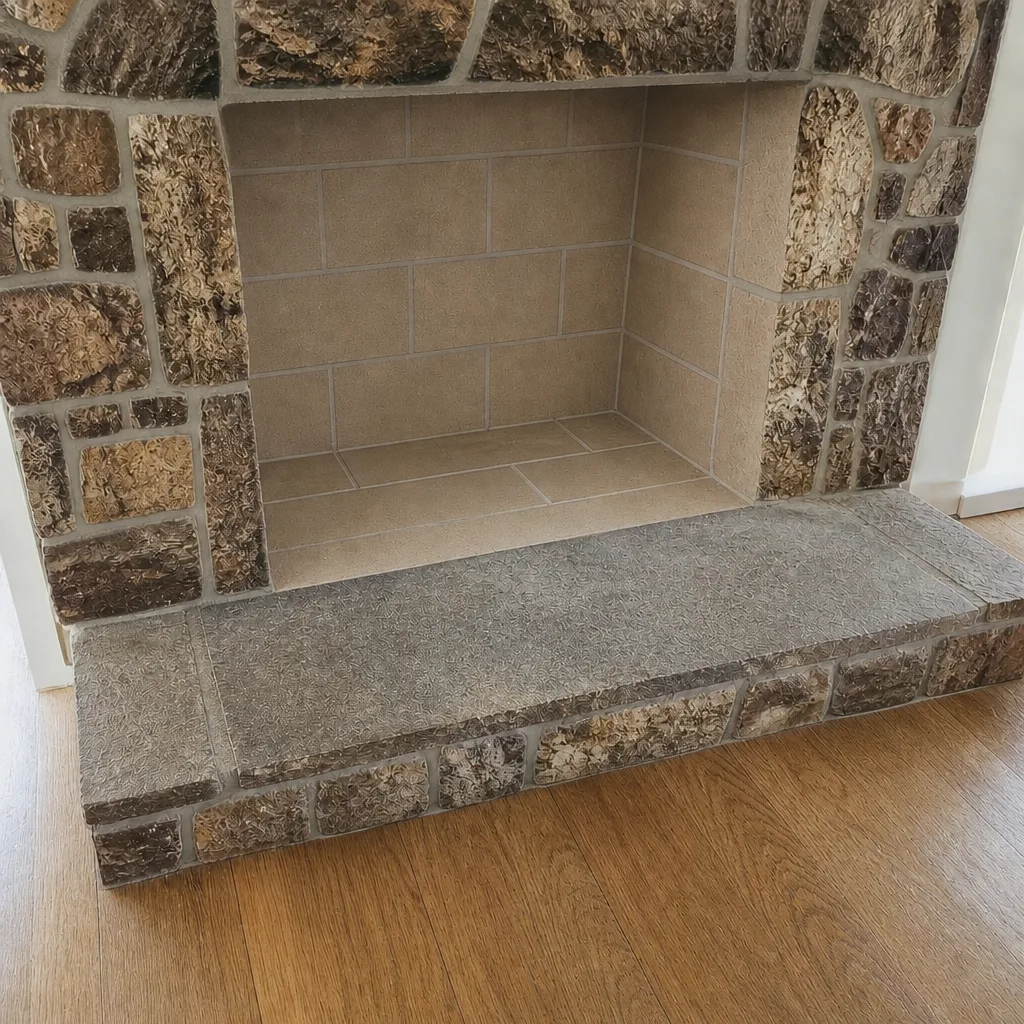
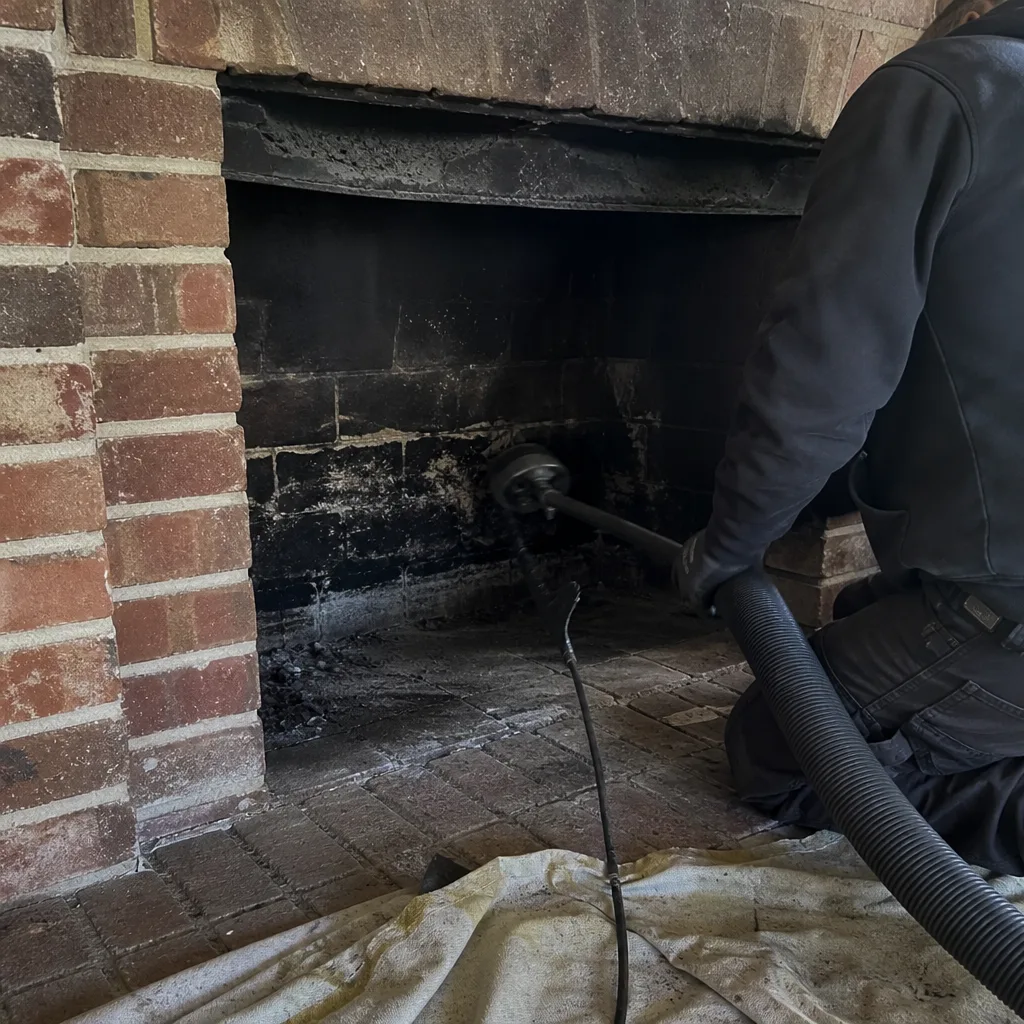
See the difference
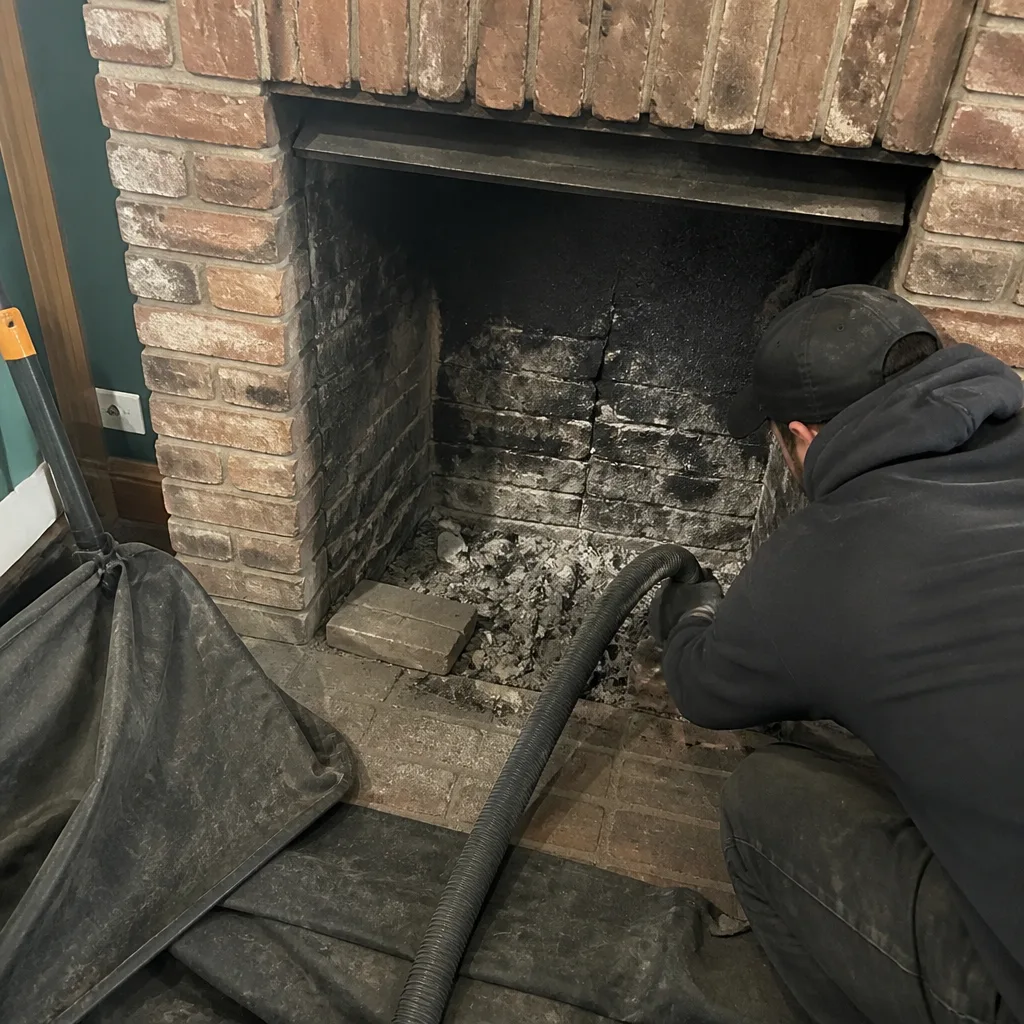 Before
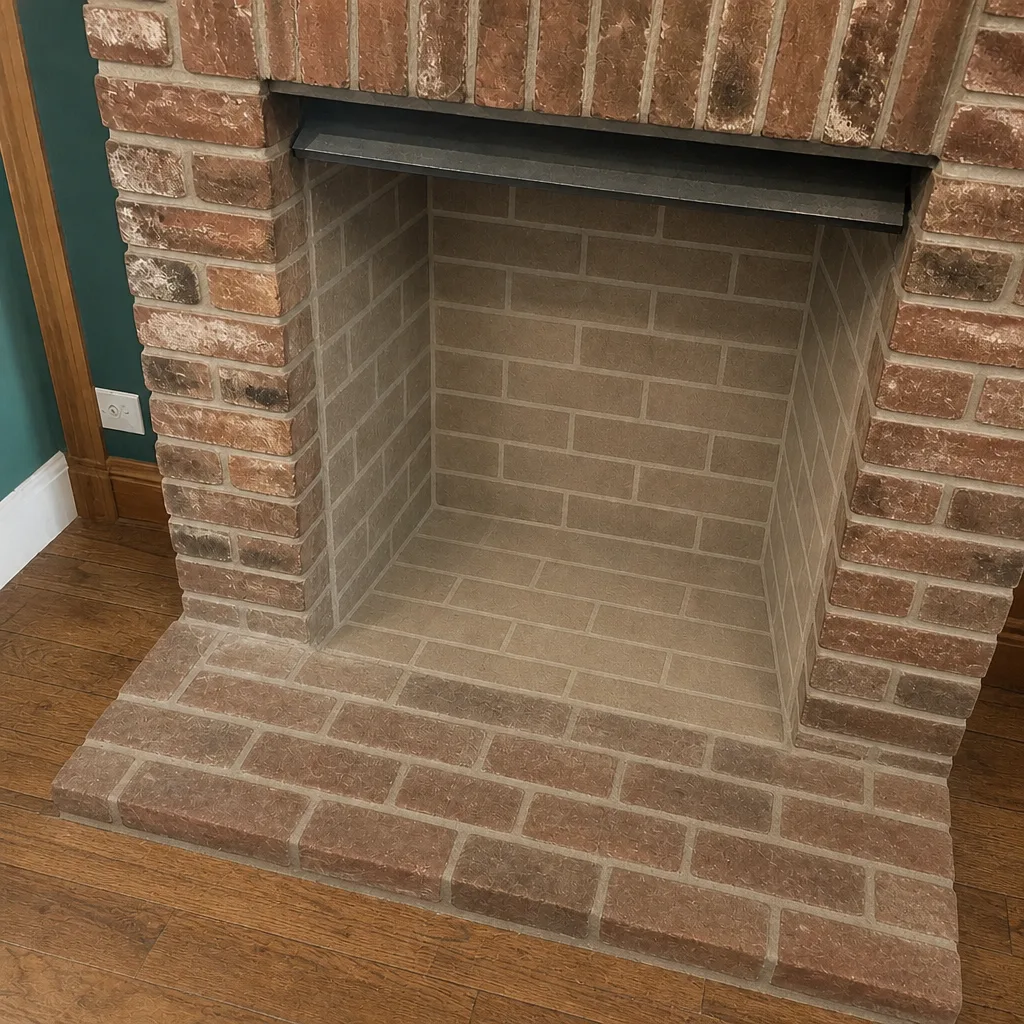 After
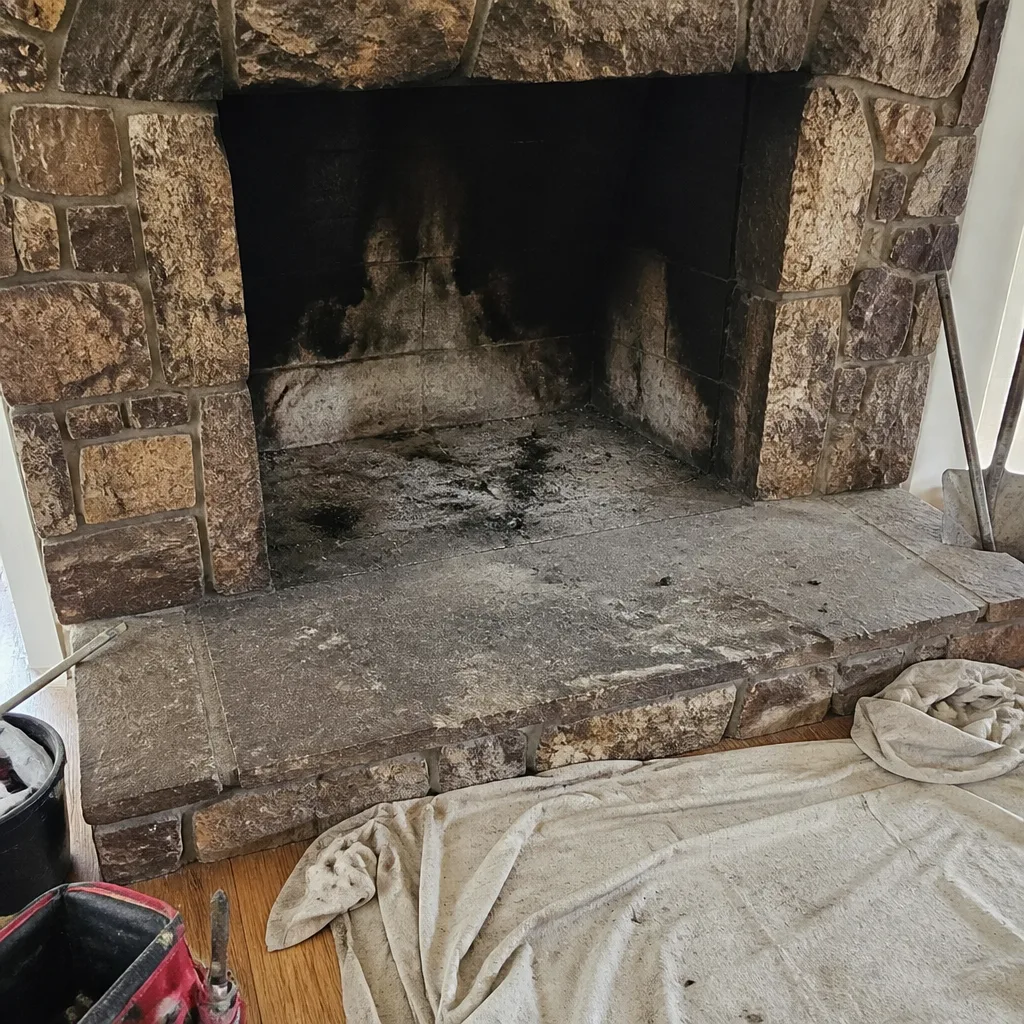 Before
 After
 Before
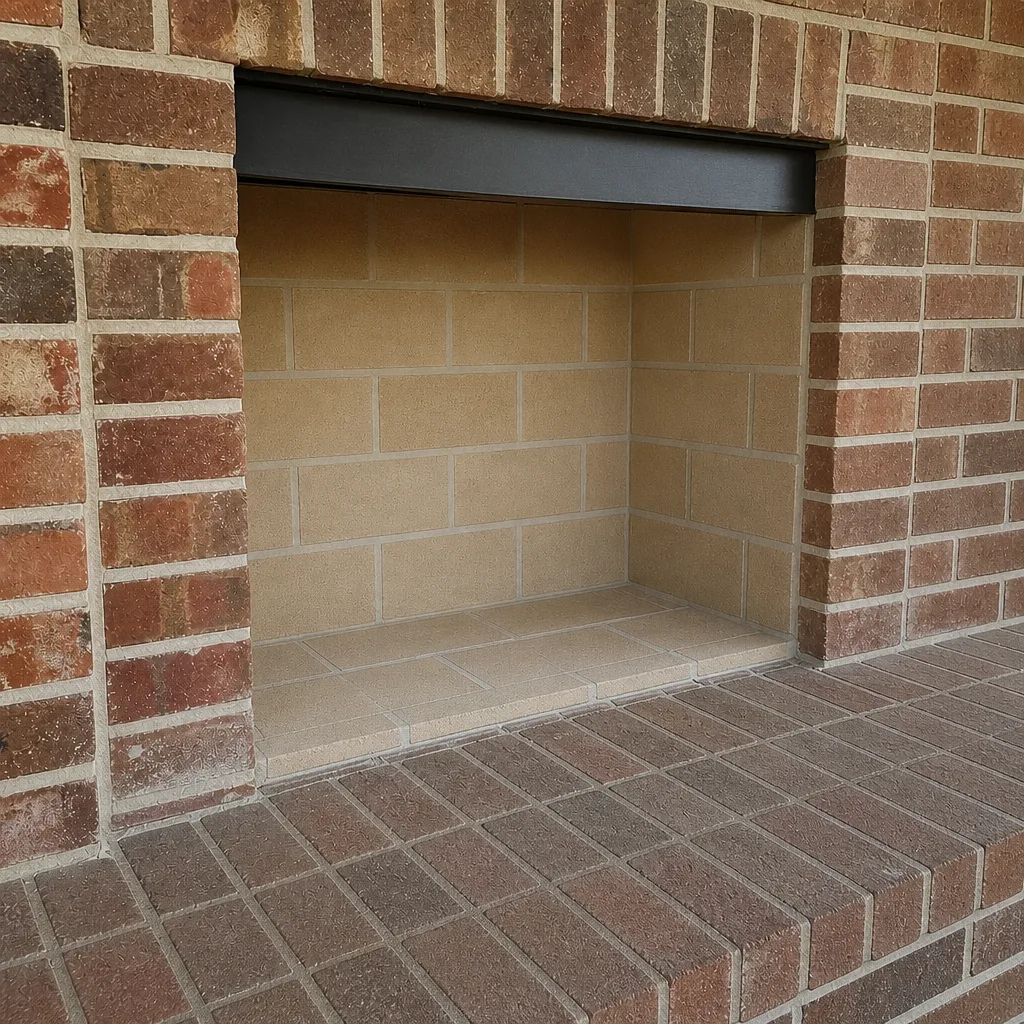 After
When to Call a Professional
Call a professional when you see smoke spilling into the room, smell a persistent smoke odor even with the damper open, or find rust, water stains, or crumbling masonry you can’t evaluate. Call before the heating season if it’s been more than a year since your last sweep or inspection. Call if your cap is missing or loose, if the crown is cracking, or if you’re simply unsure whether a change you noticed matters. On any Salt Lake City home, the cost of a professional inspection is small next to the cost of missing a flue defect that’s been developing since the last check. Salt Lake City Chimney Sweep Co offers free estimates in Salt Lake City. Call (866) 947-8813. We answer 24/7. Fast dispatch from 7am to 7pm, Sunday through Friday.
Frequently Asked Questions
A routine chimney sweep in the Salt Lake City area typically falls in the range of a basic service call, with inspection and any repair quoted separately based on what the camera shows. The written estimate sets the final price, and we give you that estimate before booking. Call (866) 947-8813 for an exact quote – estimates are free.
Not always – resurfacing can restore a deteriorating flue tile in many cases, and a full reline is only needed when the flue’s condition calls for it. We won’t recommend either without showing you the camera evidence. If the flue is sound, we’ll tell you that too. Call (866) 947-8813 for an honest assessment before you agree to any liner work – estimates are free.
Once a year for most homes that burn wood, twice if you burn daily or see significant creosote buildup. Sweep before the heating season and inspect annually. If you’re not sure, book a sweep and let the inspection confirm the schedule from there. Call (866) 947-8813 to book – estimates are free.
Creosote builds up in the flue, which raises your risk of a chimney fire, and unrepaired freeze-thaw damage lets water into the masonry and crown. The problem usually shows up as a bigger repair a season or two later. If you’ve skipped a year, a sweep and inspection catch you up. Call (866) 947-8813 to schedule – estimates are free.
Before the heating season is the better timing because the flue is clean before the first cold night, but a spring sweep after the thaw catches winter damage in time for summer repair. Ideally you do both: a pre-season sweep and a post-thaw visual check. Call (866) 947-8813 to book the pre-season sweep – estimates are free.
Yes, it’s worth fixing before the next snow load or storm, since a loose cap lets in water and debris and can shift further. It’s usually a straightforward repair when scheduled in the dry months. Call (866) 947-8813 for a free estimate, and we’ll tell you whether it can wait for the summer window.
The Bottom Line
Most chimney repair bills in Salt Lake City trace back to a skipped checkpoint, not bad luck. Sweep and inspect once a year. Do the twenty-minute ground-level checks in spring, before heating season, and before the first fire. Photograph the crown, cap, and flashing from the same three spots every year so you have a baseline. Schedule real repairs in the dry months when masonry cures properly. And when you’re unsure whether a crack matters, show it to a specialist instead of guessing. Our technicians have up to 13 years of experience and work only on chimneys and fireplaces, using professional-grade materials across every phase from inspection to repair, so you have one resource for the whole job.
Ready to get your chimney on a routine? Call Salt Lake City Chimney Sweep Co at (866) 947-8813 for a free estimate. We answer 24/7. Fast dispatch from 7am to 7pm, Sunday through Friday. Safe, clean, and structurally sound starts with a single visit, and every recommendation comes with camera evidence you can see for yourself. You can also start with our Salt Lake City Chimney Sweep Co page to see the full range of chimney-only services we offer.
Written by the team at Salt Lake City Chimney Sweep Co.