
Last updated November 25, 2026
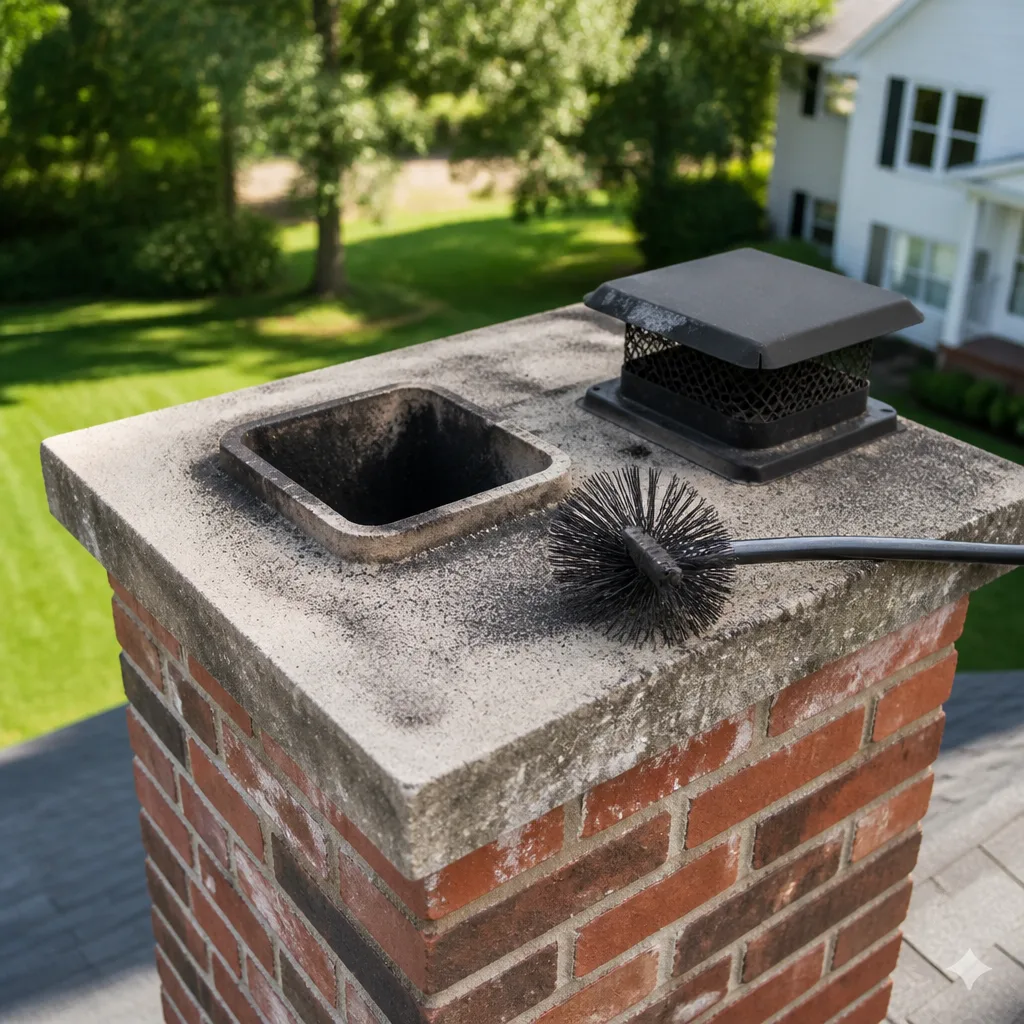 Sweep & inspection
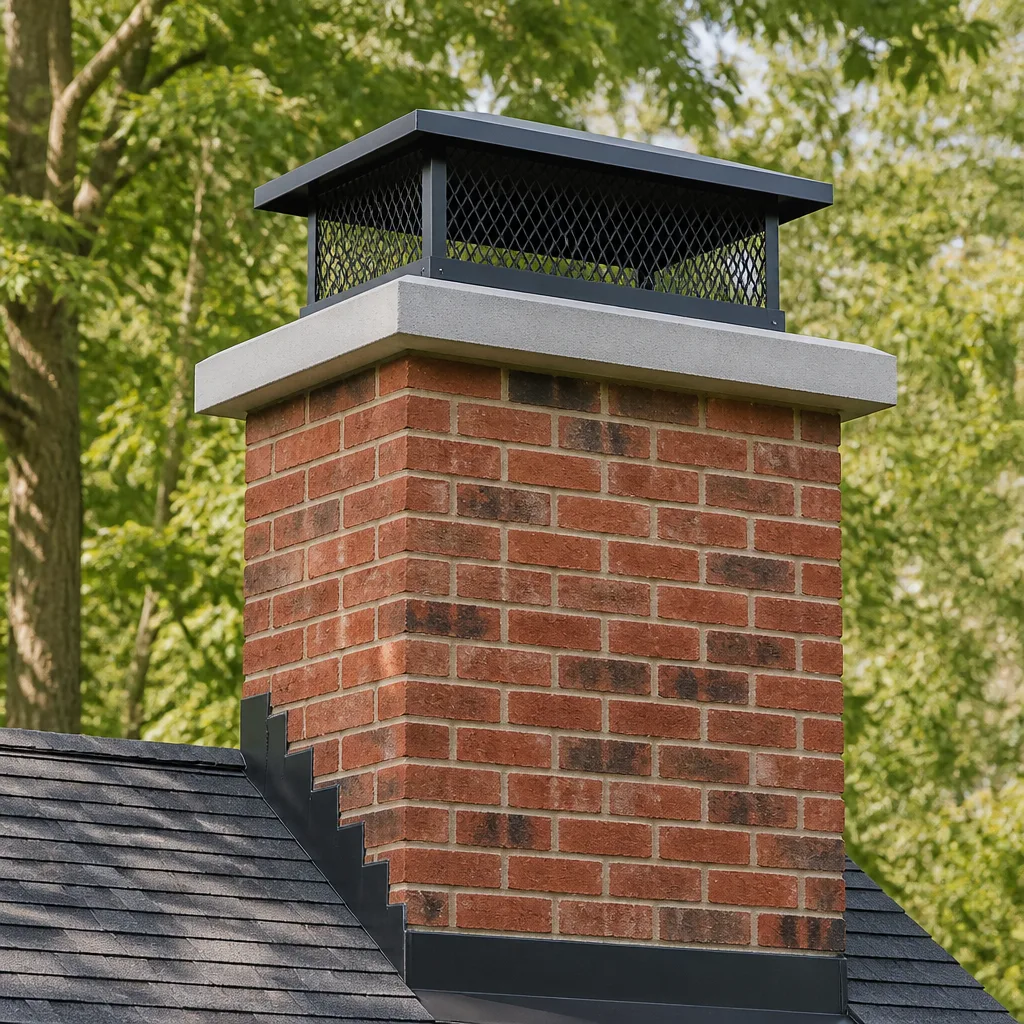 Caps & crowns
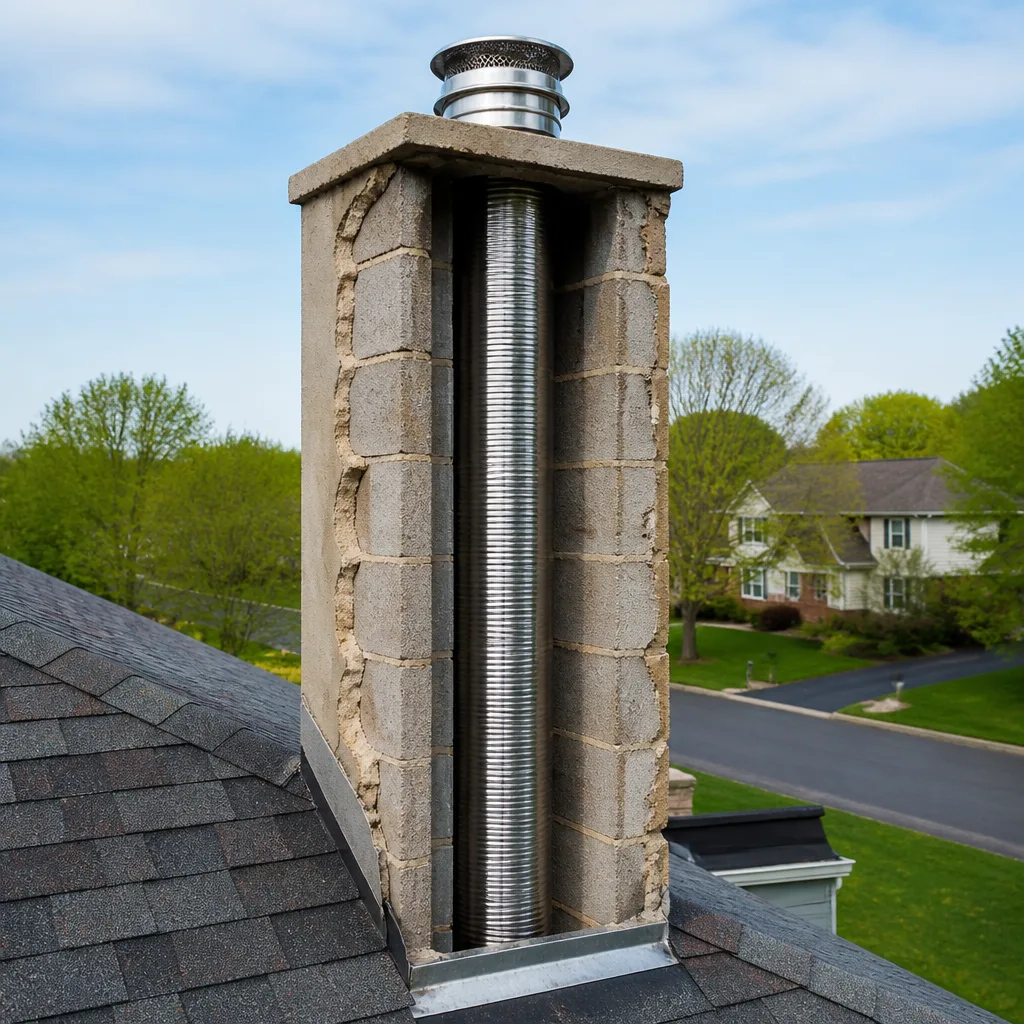 Flue relining
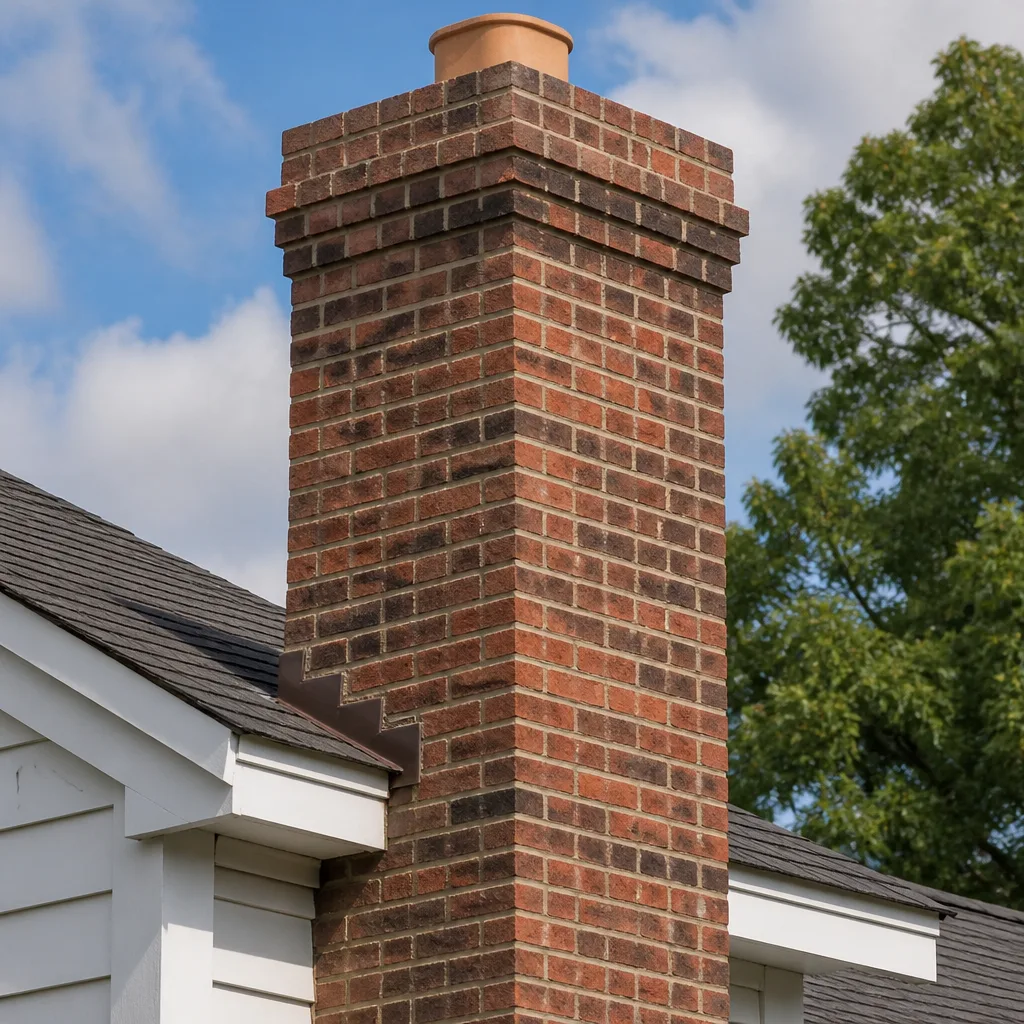 Masonry repair
 Gas fireplace service
Level 1 sweep and inspection to the NFPA 211 annual standard - flue, crown, cap, and flashing checked and photographed
Chimney sweep logs do not sweep chimneys. They loosen some creosote - which then falls where a brush and vacuum still have to collect it.
DIY vs Professional Chimney Cleaning: The Salt Lake City Homeowner’s Decision Guide
The chimney brush kit at the hardware store will remove fresh soot just fine. That’s a real point in its favor, and we won’t pretend otherwise. But that kit was never designed for the glazed, tar-like Stage 2 creosote that builds up faster in Salt Lake City homes that burn heavily through winter inversions. Using a consumer brush where glazed creosote has formed doesn’t leave a clean flue. It leaves a polished layer of fuel and a homeowner who believes the chimney is safe. This guide draws the actual line between what you can reasonably do yourself and what needs a professional, so you can avoid both unnecessary risk and unnecessary expense.
Quick Answer
DIY chimney brushing is only genuinely adequate for light, dry, Stage 1 soot in a straightforward flue you can reach and inspect yourself. For Salt Lake City homes that burn hard through the inversion season, or that have any glazed creosote, a damaged flue liner, or a flue that’s hard to access, professional cleaning with rotary equipment is the correct choice. The deciding factors are the creosote type and the condition of the flue, not the cost of a sweep.
Styles & brands we work with
- Sweep & inspection
- Caps & crowns
- Flue relining
- Masonry repair
- Gas fireplace service
Table of Contents
- What Professional Cleaning Removes That a Brush Kit Cannot
- When DIY Chimney Cleaning Is Genuinely Reasonable
- When DIY Chimney Cleaning Is Genuinely Risky
- How Salt Lake City’s Inversions and Housing Stock Change the Math
- Liability, Insurance, and the Value of an Inspection Record
- The Hidden Costs of DIY Cleaning
- A Legitimate Pre-Season Self-Check
- Common Mistakes to Avoid
What Professional Cleaning Removes That a Brush Kit Cannot
A consumer brush works by friction. It knocks loose soot and soft, powdery creosote off the flue wall. That’s exactly what it was built to do, and on a flue that only carries Stage 1 soot, it does the job. The problem is that creosote doesn’t stay soft. As it accumulates and re-bakes with each fire, it moves through stages: Stage 1 is flaky and brushes off, Stage 2 is glazed and tar-like, and Stage 3 is hardened and pitted. A nylon or poly brush sliding over Stage 2 creosote mostly glazes it smoother. It doesn’t remove it.
Professional rotary cleaning systems work differently. A motorized whip or chain head spins against the flue wall at speed and cuts the glazed layer away rather than rubbing over it. That mechanical aggression is what a hand brush can’t replicate, and it’s why rotary systems are the standard in the trade.
- Stage 2 glazed creosote: removed by rotary cutting action, not by brushing friction.
- Stage 3 hardened creosote: may call for chemical treatment before it can be cut away safely.
- Off-angle and offset flues: reached with flexible rotary rods that follow the flue’s path.
- Flue tiles: checked for damage before and after cleaning, since rotary work shows what a brush can hide.
- Debris and blockages: nests, leaves, and fallen masonry cleared with proper vacuum alongside the cleaning.
When a flue liner is deteriorating, cleaning is only half the story. HeatShield resurfacing can restore a failing clay liner in some cases without a full reline, which is one of the repair paths a professional sweep can recommend once the flue is actually visible. A homeowner with a brush and a flashlight rarely gets to that point, because the condition never surfaces in the first place.
When DIY Chimney Cleaning Is Genuinely Reasonable
We’ll say it plainly: there are homeowners in Salt Lake City for whom a DIY brush is fine. If your chimney fits every condition below, brushing it yourself at the end of the burn season is a defensible choice. This is the narrow lane where DYI costs less and does no harm.
- You’ve had a professional inspection recently. A qualified technician has looked at the flue and confirmed the liner is intact and the creosote is light. This is the foundation. Without it, everything else is guesswork.
- You burn seasoned, dry wood and don’t smolder. Clean, hot fires produce less creosote. If your fires are hot and the wood is dry, accumulation stays slow and powdery.
- Your flue is straight, vertical, and easily accessed. A straight run from the firebox to the top is the manageable case. Offsets, elbows, and weird angles are not.
- The creosote is Stage 1 only. Flaky, soot-like, brushes off easily. If you touch it and it smears or shines, stop and call a professional.
- You have the right tools and safe roof access. That means a proper brush sized to your flue, extension rods, drop cloths, and a roof you can safely stand on. A steep or icy pitch is a hard no.
If all five are true, you’re in the small group where DIY is genuinely reasonable. If any one of them is false, you’ve moved out of the DIY lane. The common mistake is assuming the first condition doesn’t matter because everything looks fine from the firebox. It matters most of all.
When DIY Chimney Cleaning Is Genuinely Risky
The risk isn’t in the brush itself. It’s in the false confidence. A homeowner who brushes a glazed flue and sees soot fall into the firebox reasonably concludes the chimney is clean. Meanwhile the dangerous layer remains, and the next fire has a lining of fuel it can ignite. Here’s where a professional sweep stops being optional.
- Glazed or tar-like creosote anywhere in the flue. Stage 2 or Stage 3 needs rotary or chemical treatment. Brushing over it is the worst of both worlds: risk without the removal.
- Any sign of a previous chimney fire. Cracked tiles, puffed creosote, or a distorted cap. These require an inspection before anyone cleans or burns again.
- A damaged or missing flue liner. The liner is what keeps heat and gases from reaching the framing. A damaged liner is a structural issue, not a cleaning issue.
- Blockages you can’t clear. Nests, leaves, and fallen masonry need removal from the top down with proper tools and containment.
- Hard-to-reach or steep roofs. Fall risk from a roof is real, and a chimney sweep is not worth a hospital trip.
- Gas appliances venting into the same system. Carbon monoxide is invisible. Any gas insert or appliance on the system needs professional evaluation, not a DIY brush.
- Smoke or draft problems during the season. Backdraft and poor draft point to issues a brush won’t solve.
For these conditions, a professional sweep is a safety step, not a luxury. The best local professionals are licensed and insured as their state requires, and they bring the rotary equipment, vacuum systems, and inspection cameras to actually see what’s happening inside the flue. If you’re seeing any of the above and want a trained professional to look at it, that’s a normal reason to call.
How Salt Lake City’s Inversions and Housing Stock Change the Math
Salt Lake City’s winters are not gentle on chimneys. The valley’s inversion pattern traps cold air under a warmer layer, and that trapped cold air means longer, harder heating seasons. Homes here burn more fires per winter than in milder climates, and heavier burning means faster creosote accumulation. It’s the reason Stage 2 creosote is far more common in Salt Lake City than a homeowner would guess from a look up the flue.
The housing stock compounds it. Older neighborhoods around the city have masonry chimneys that predate modern liner standards. Tiles can be cracked, mortar joints worn, and crowns failing after decades of freeze-thaw cycles. Salt Lake City’s dry summers followed by cold, wet winters put masonry through real stress. A flue that was fine twenty years ago may not be intact now, and the only way to know is to look at it directly.
Both of those factors push more Salt Lake City homes out of the DIY lane and into the professional one. Heavier creosote and older masonry are exactly the conditions where a consumer brush gives a false sense of safety. When we inspect a Salt Lake City chimney, we can tell pretty quickly whether it’s a brush-cleaning job or something the homeowner should never have tried themselves. The climate and the age of the housing make that determination less obvious than people assume.
One more local wrinkle: the same inversion that causes heavy burning also traps smoke low. A chimney that’s underdrafting isn’t just a nuisance, it can push exhaust back into the living space. Draft problems are a sign to have the flue evaluated, not to brush harder.
Liability, Insurance, and the Value of an Inspection Record
This is the part most homeowners don’t think about until something goes wrong. If a chimney fire damages your home, your insurer is going to ask when the chimney was last professionally inspected and swept. That question has real consequences. Insurers expect property owners to maintain their heating systems, and a chimney with no professional inspection record is a harder claim to defend than one with a documented sweep schedule.
We’re not telling you a claim will be denied. Insurance varies, and no one can promise an outcome. What we can say is that a written inspection record, from a qualified professional, is the kind of documentation that answers the insurer’s question cleanly. It shows routine maintenance and reduces the argument. A homeowner who did it all themselves and can’t produce a report has a messier story to tell.
- Keep the report. A professional sweep should leave you with a written inspection that records the condition of the flue and any issues found.
- Follow the schedule. An annual look keeps the record current and catches problems early.
- Fix what’s flagged. A flagged liner that was never repaired is worse on a claim than one you simply didn’t know about.
- Document repairs. Cap and crown work, relining, and resurfacing all belong in the paper trail.
The inspection is the piece that DIY can’t replicate. Cleaning without inspection misses structural issues entirely. You can brush a flue clean and still have a cracked tile, a failed crown, or a flue with the wrong size liner for the appliance. A professional inspection catches those, documents them, and gives you something to act on, or to hand to your insurer if the worst happens. If you’re ready to establish that record in Salt Lake City, we can help.
The Hidden Costs of DIY Cleaning
DIY looks cheaper because the visible cost is the brush kit. That’s not the whole bill. Here’s what the kit doesn’t cover, and why the DIY math is closer than it first appears.
Equipment that actually works. A single brush and a flashlight aren’t the full kit. A proper setup needs a brush sized to your flue, extension rods long enough to reach the top, drop cloths, a shop vacuum that can handle fine soot without blowing it back into the house, and protective gear. Good tools cost real money, and they sit in the garage for the rest of the year.
Creosote disposal. Soot and creosote are waste, and in Utah they need to be bagged and disposed of properly. That means heavy bags, double-lining, and getting the material out of the house without spreading soot through the living room. Professional sweeps handle disposal as part of the job.
The missed inspection. This is the biggest hidden cost. A DIY clean doesn’t come with a trained eye on the liner, the crown, the cap, or the smoke chamber. Issues that would have been caught and priced get found later, when they’re bigger. A cracked crown that could have been repointed turns into water damage and a rebuilt crown. A deteriorating liner that could have been resurfaced with HeatShield becomes a full reline. The savings from one DIY clean disappear fast when a repair escalates.
The mess. Soot is one of the hardest substances to remove from a living room. A professional sweep contains it with vacuums and drop cloths. A DIY homeowner often finds out the hard way that soot travels farther than expected.
A Legitimate Pre-Season Self-Check
A visual self-check before the heating season is a smart habit. It doesn’t replace a professional sweep and inspection, but it flags problems early and helps you decide when to call. Here’s a numbered routine that stays safe and never puts you on a roof or up a ladder you shouldn’t be on.
- Check from the firebox. With a good flashlight, look up into the smoke chamber. Look for flaky soot (Stage 1) versus glazed, shiny buildup (Stage 2). If it shines, that’s a call-a-professional sign.
- Look for cracked tiles or gaps in the liner. Where you can see the tile joints, look for cracks, missing mortar, or pieces out of place.
- Inspect the firebox walls. Look for cracks, crumbling mortar, or white staining that suggests moisture getting in.
- Check the damper. It should open and close smoothly and sit flush when closed. A stuck damper is a draft issue.
- Look at the crown from the ground. Use binoculars from the yard rather than a ladder. Cracks, missing pieces, or a crown that’s tilted or separated mean water is likely getting in.
- Check the cap with binoculars. Missing, rusted, or bent caps let water and animals in, and a damaged cap can sometimes be seen from the ground.
- Note the draft during the first fire. If smoke backs into the room, draft is off, and the flue needs a professional look.
That’s the right scope for a homeowner. Anything on the list that looks off, call a professional rather than trying to fix it yourself. Our chimney cap & crown work exists precisely because that top-of-chimney inspection is where a lot of real problems live, and it’s not a scope a homeowner should try to tackle from the roof.
Key Takeaways
- DIY brushing works for Stage 1 soot in an intact, accessible flue, and only after a professional inspection.
- Glazed or hardened creosote needs rotary cleaning that a consumer brush can’t deliver.
- Salt Lake City’s inversion winters and older housing stock tip most local chimneys toward professional cleaning.
- A professional inspection is the piece DIY cannot replace, and it’s what gives you a record for insurance.
- The hidden costs of DIY (equipment, disposal, missed repairs) make the price gap smaller than it looks.
- A pre-season visual check is worth doing, as long as it stays visual and off the roof.
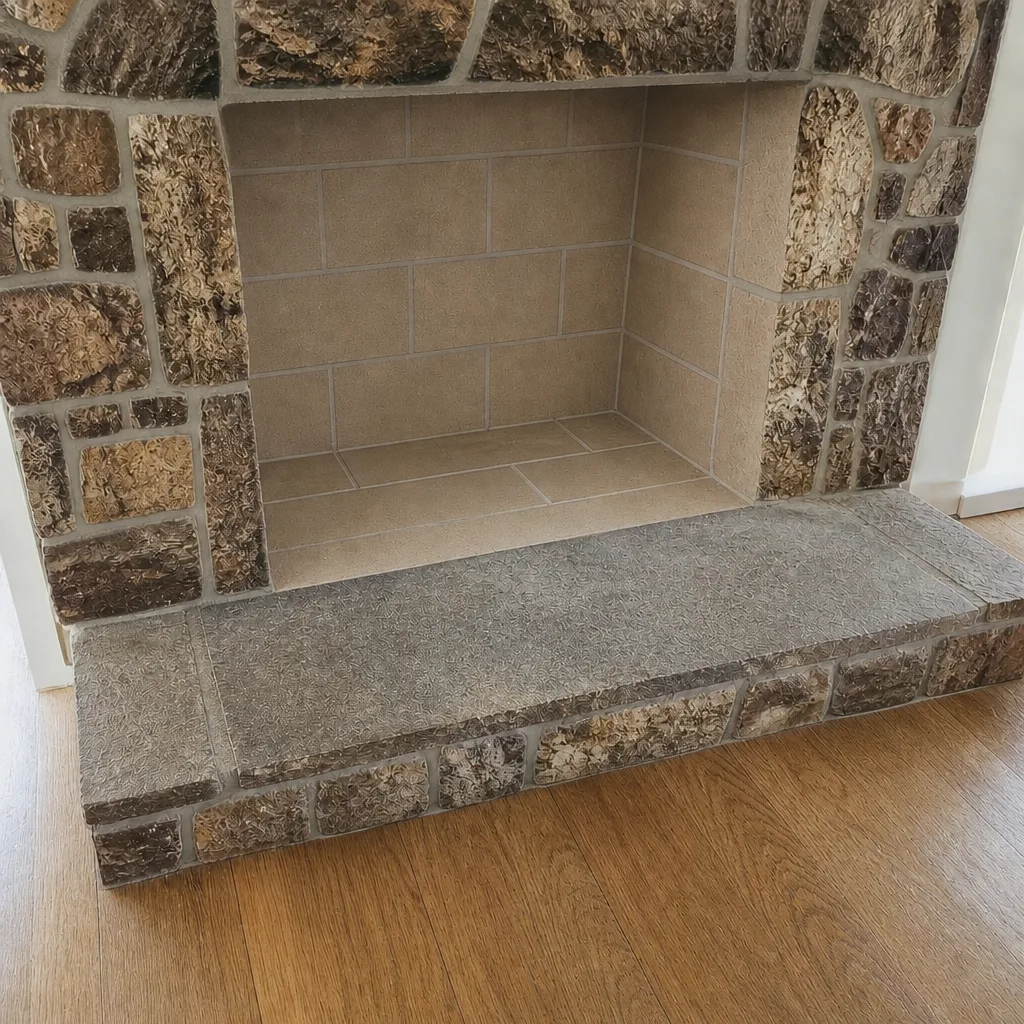
See the difference
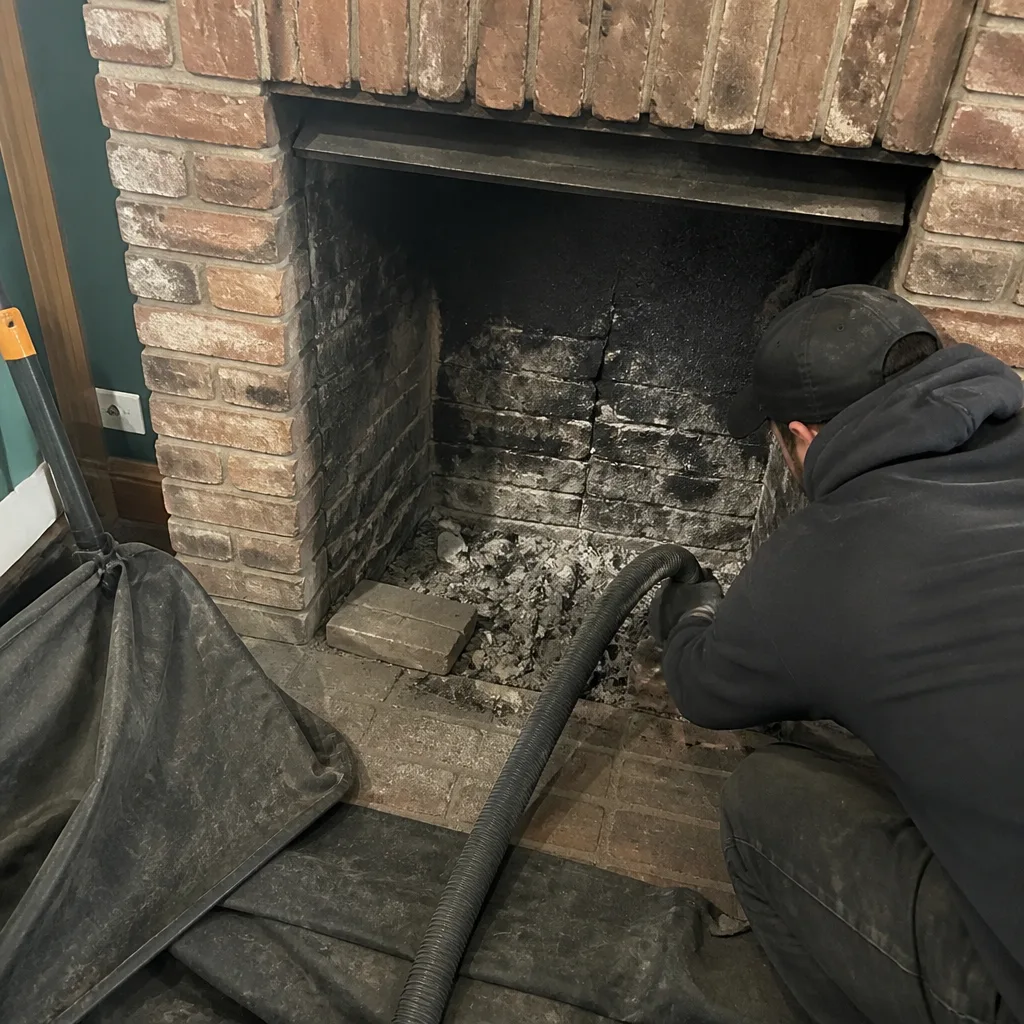 Before
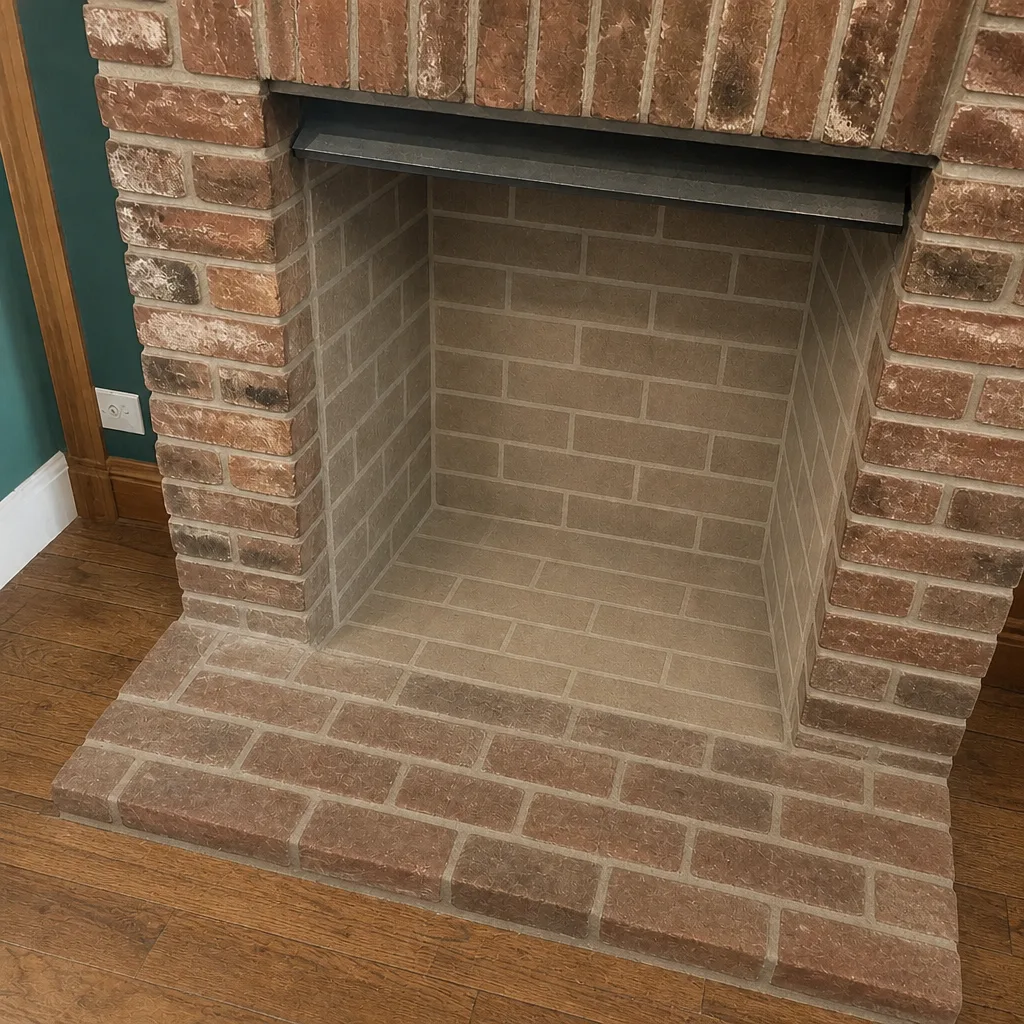 After
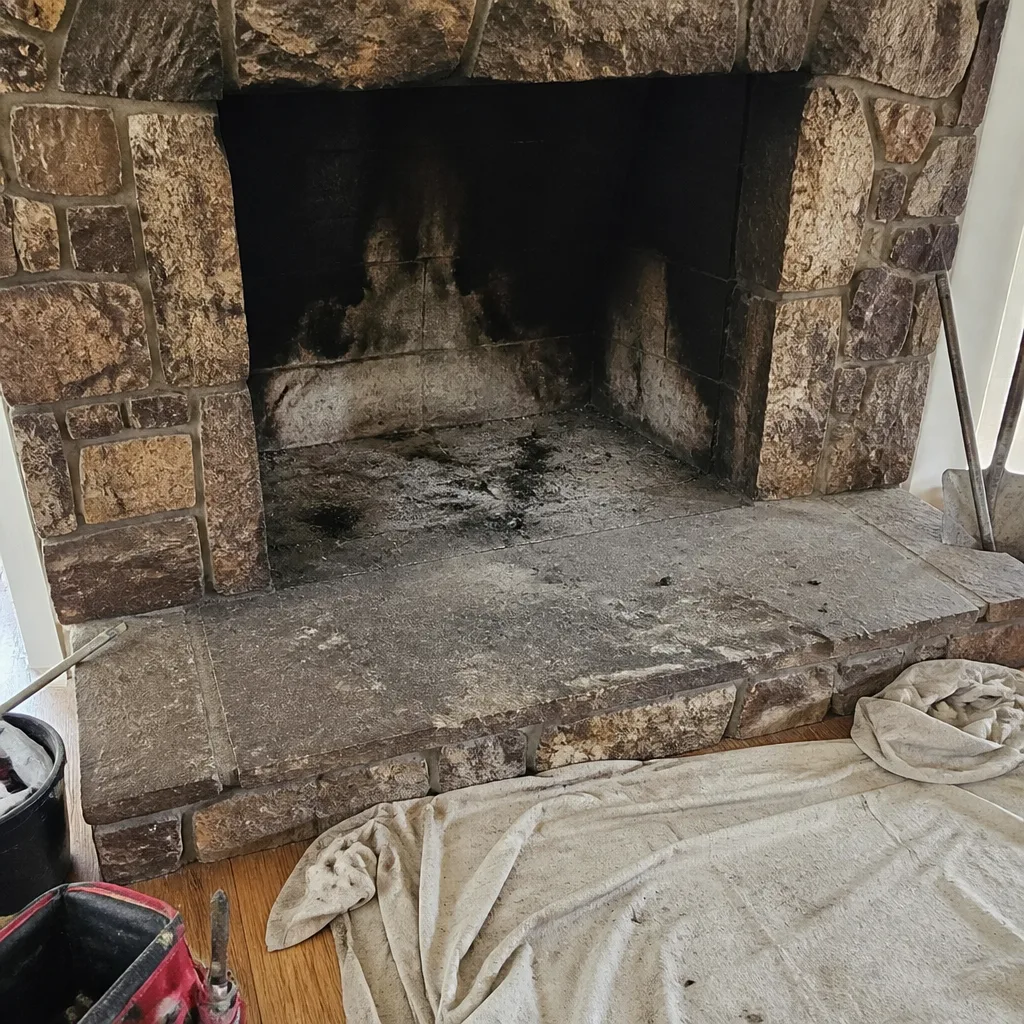 Before
 After
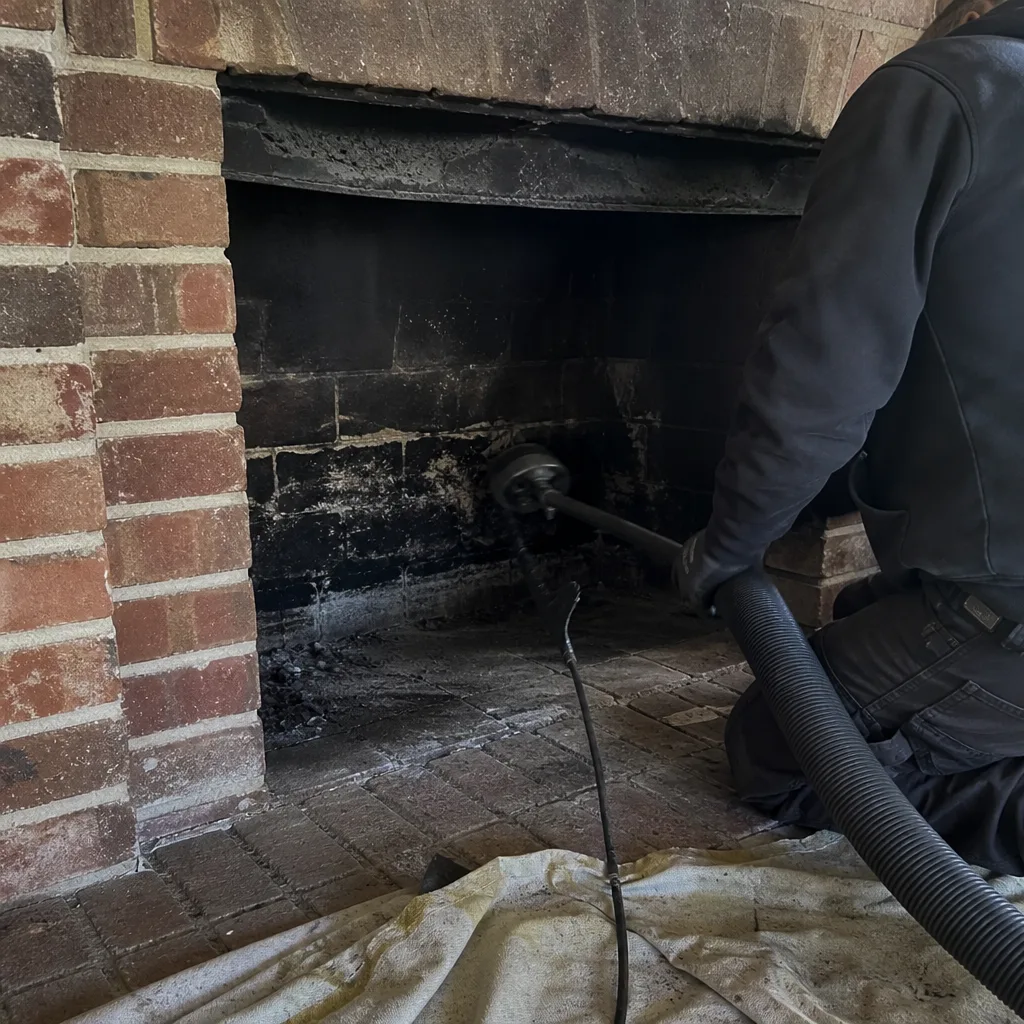 Before
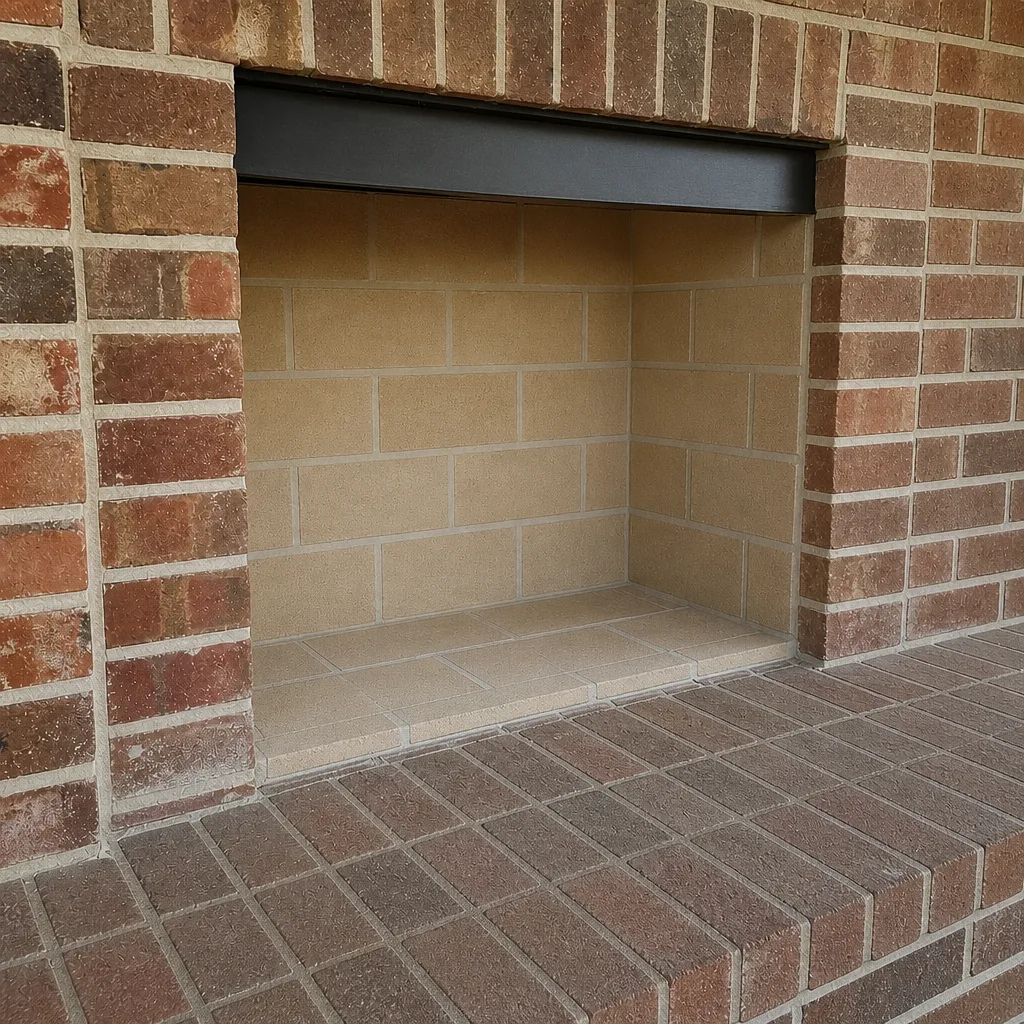 After
Common Mistakes to Avoid
- Assuming a clean-looking firebox means a clean flue. The dangerous creosote sits higher up, and the firebox says almost nothing about it. Look up the flue or have a professional do it.
- Brushing over glazed creosote. This is the most common mistake we see. Brushing a glazed flue polishes it rather than removing it and leaves the homeowner confident in an unsafe condition.
- Skipping the inspection to save time. Cleaning is only half the job. Without an inspection, you can brush a flue with a cracked liner or failed crown and never know.
- Burning unseasoned or wet wood. In Salt Lake City, damp wood is common, and damp wood smolders and produces far more creosote. Season your wood properly before burning.
- Venting a gas appliance into a flue that was never evaluated. Carbon monoxide risks are real, and any gas on the system needs a professional check.
- Ignoring the crown and cap. Water intrusion from a failed crown is one of the most common causes of chimney damage in Salt Lake City, and it’s easy to catch early with a look from the ground.
- Tossing creosote debris in the regular trash without bagging. It’s messy and not the way creosote waste should be handled. Professional disposal handles it properly.
When to Call a Professional
Call a professional when you see glazed or tar-like creosote, when your flue liner is cracked or damaged, when there’s a blockage you can’t clear, or when you’ve never had the chimney inspected. Call if a gas appliance is on the same venting system, if you have smoke or draft problems, or if the chimney throat is hard to reach. Call if it’s been more than a year since a sweep, if you’ve just bought the home and don’t know the chimney’s history, or if you see a cracked crown or damaged cap from the ground. Salt Lake City Chimney Sweep Co offers free estimates in Salt Lake City. One company for every chimney need, from inspection to repair. Call (866) 947-8813. We answer 24/7. Fast dispatch from 7am to 7pm, Sunday through Friday.
Frequently Asked Questions
Yes, if the creosote is light (Stage 1), the flue is straight and accessible, and a professional has recently inspected the liner and confirmed it’s intact. Most Salt Lake City homes that burn hard through the inversion season don’t meet that bar, because heavier burning builds glazed creosote a brush can’t remove. When in doubt, a professional sweep is the safer call. Call (866) 947-8813 for an exact quote – estimates are free.
Most wood-burning chimneys should be swept once a year, and more often if you burn heavily or burn wood that isn’t fully seasoned. In Salt Lake City, heavier heating seasons tend to mean annual is the minimum to stay ahead of creosote. A professional inspection at the same time catches problems a sweep alone won’t. Call (866) 947-8813 for an exact quote – estimates are free.
Stage 1 is flaky soot that brushes off easily. Stage 2 is glazed, tar-like, and needs rotary or chemical treatment. Stage 3 is hardened and deeply pitted and can be the most difficult to remove. The stage matters because it’s the deciding factor between DIY and professional cleaning. Call (866) 947-8813 for an exact quote – estimates are free.
Creosote accumulates, and glazed creosote is fuel sitting inside your chimney. If it ignites, you risk a chimney fire that can spread to the structure. Skipping the sweep also means missing an inspection that would catch a cracked liner, failed crown, or carbon monoxide risk early. It’s worth booking before your first fire of the season. Call (866) 947-8813 for an exact quote – estimates are free.
Insurers commonly ask when a chimney was last inspected and swept, and a written inspection record answers that question cleanly. No one can promise a claim outcome, but a documented maintenance history is far easier to produce than an empty drawer. A professional sweep should leave you with a written report. Call (866) 947-8813 for an exact quote – estimates are free.
Light use reduces creosote buildup, but it doesn’t eliminate it, and it doesn’t inspect the liner, crown, or cap. A chimney with a cracked liner is a problem whether you burn daily or a few times a season. For Salt Lake City homes with older masonry, an annual inspection is still prudent. Call (866) 947-8813 for an exact quote – estimates are free.
The Bottom Line
DIY chimney cleaning is reasonable in a narrow lane: light, dry soot in an intact, accessible flue, after a professional has confirmed it. Outside that lane, in Salt Lake City’s inversion winters and older housing stock, glazed creosote and aging masonry push most local chimneys toward professional cleaning. A consumer brush can’t cut through Stage 2 creosote, and a DIY clean never includes the inspection that catches structural problems and builds your maintenance record. The hidden costs of equipment, disposal, and missed repairs make the price gap smaller than it looks. Know the line, check your chimney visually, and call when the situation is anything but the narrow DIY case. When you’re ready, our chimney sweep work covers the inspection and cleaning together, so you get the sweep and the record in one visit. Our technicians have up to 13 years of experience, and everything we do is chimney and fireplace work only.
If your chimney is anywhere near that line and you’d rather have a specialist look, we’re here. From inspection to repair, our fireplace repair work, liner resurfacing with HeatShield, and liner installations using DuraFlex and Gelco components all happen with one company. You can start with the Salt Lake City Chimney Sweep Co team for a free estimate and a plain answer about whether you can safely do this yourself. Call (866) 947-8813. We answer 24/7. Fast dispatch from 7am to 7pm, Sunday through Friday.
Written by the team at Salt Lake City Chimney Sweep Co.