
Last updated November 25, 2026
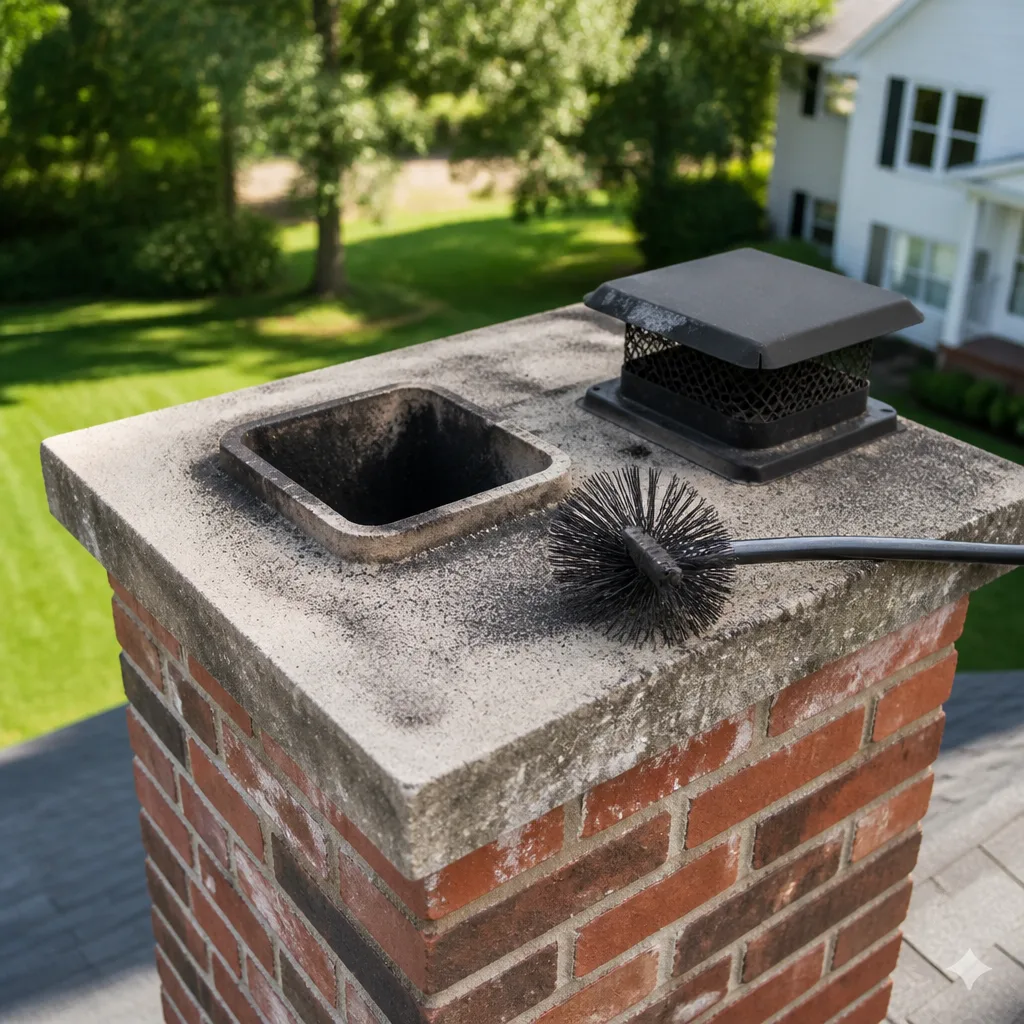 Sweep & inspection
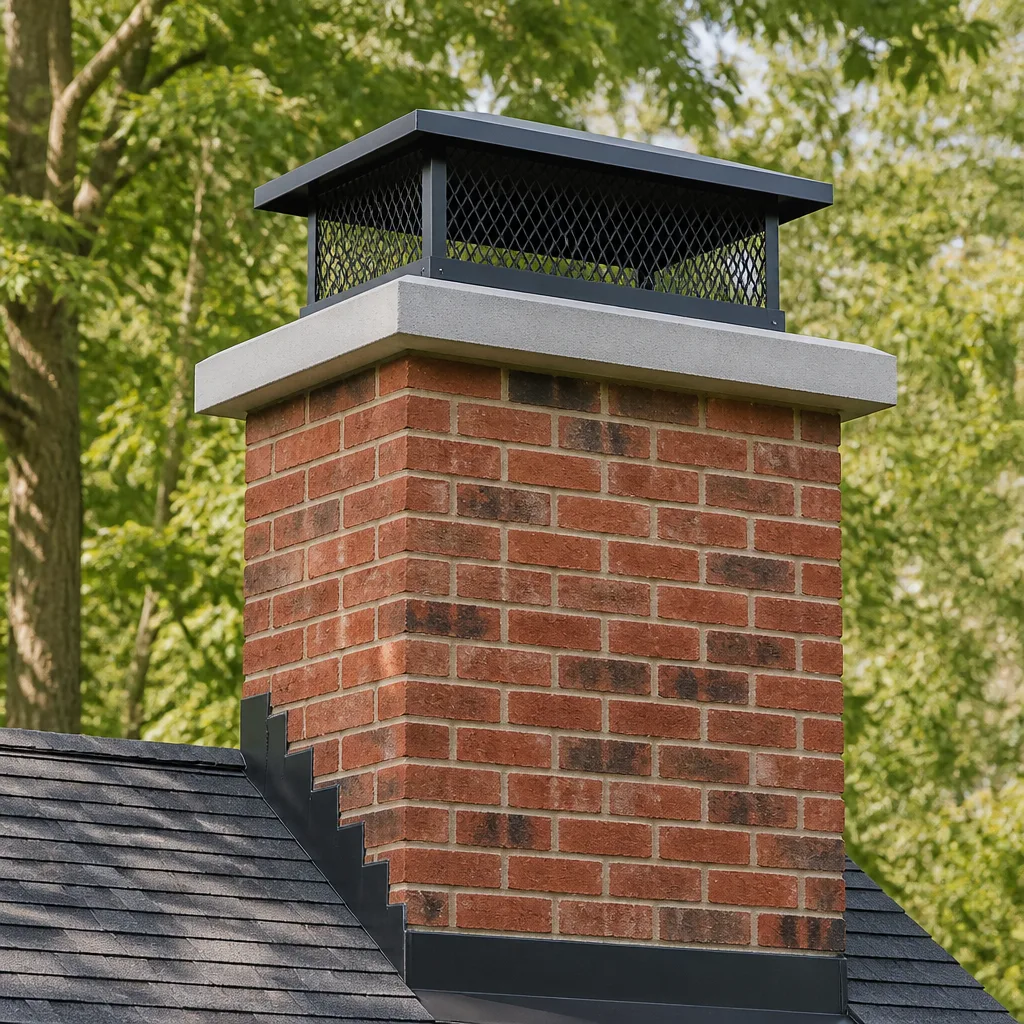 Caps & crowns
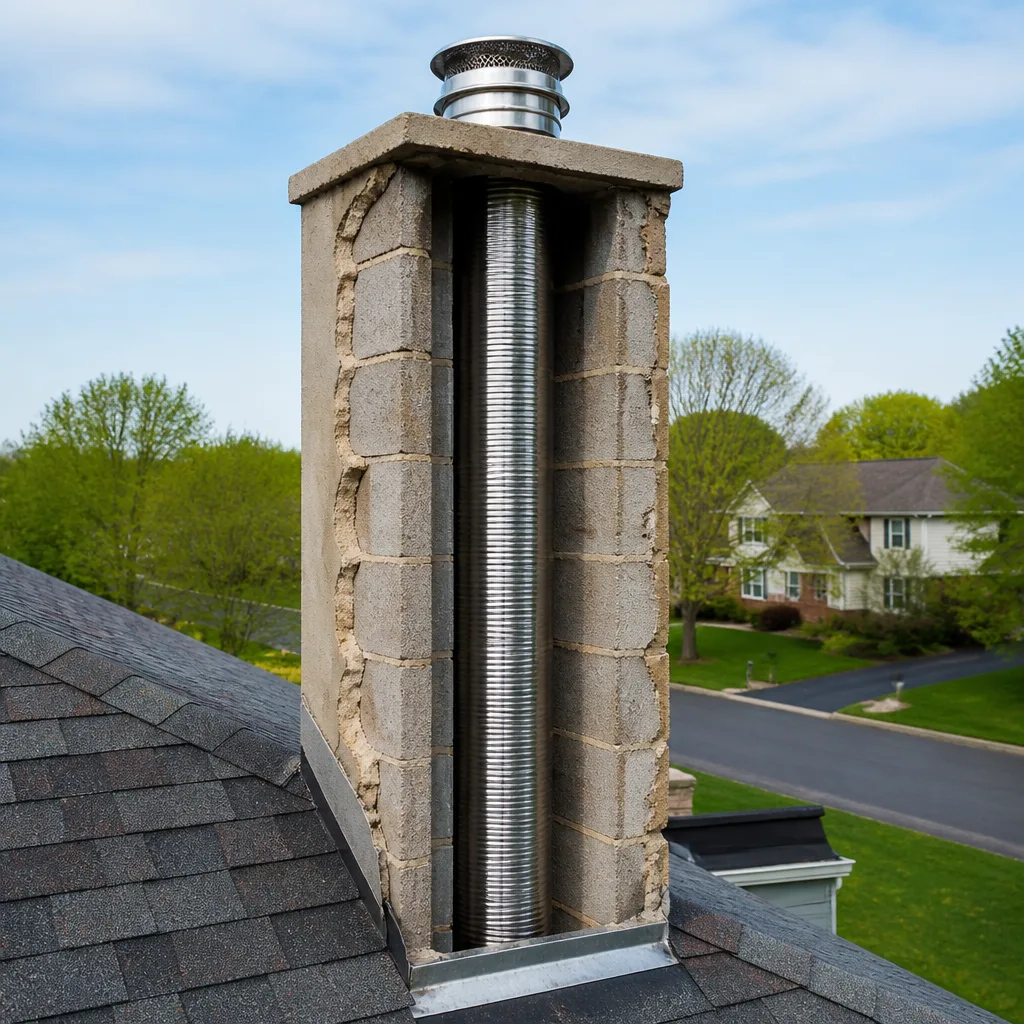 Flue relining
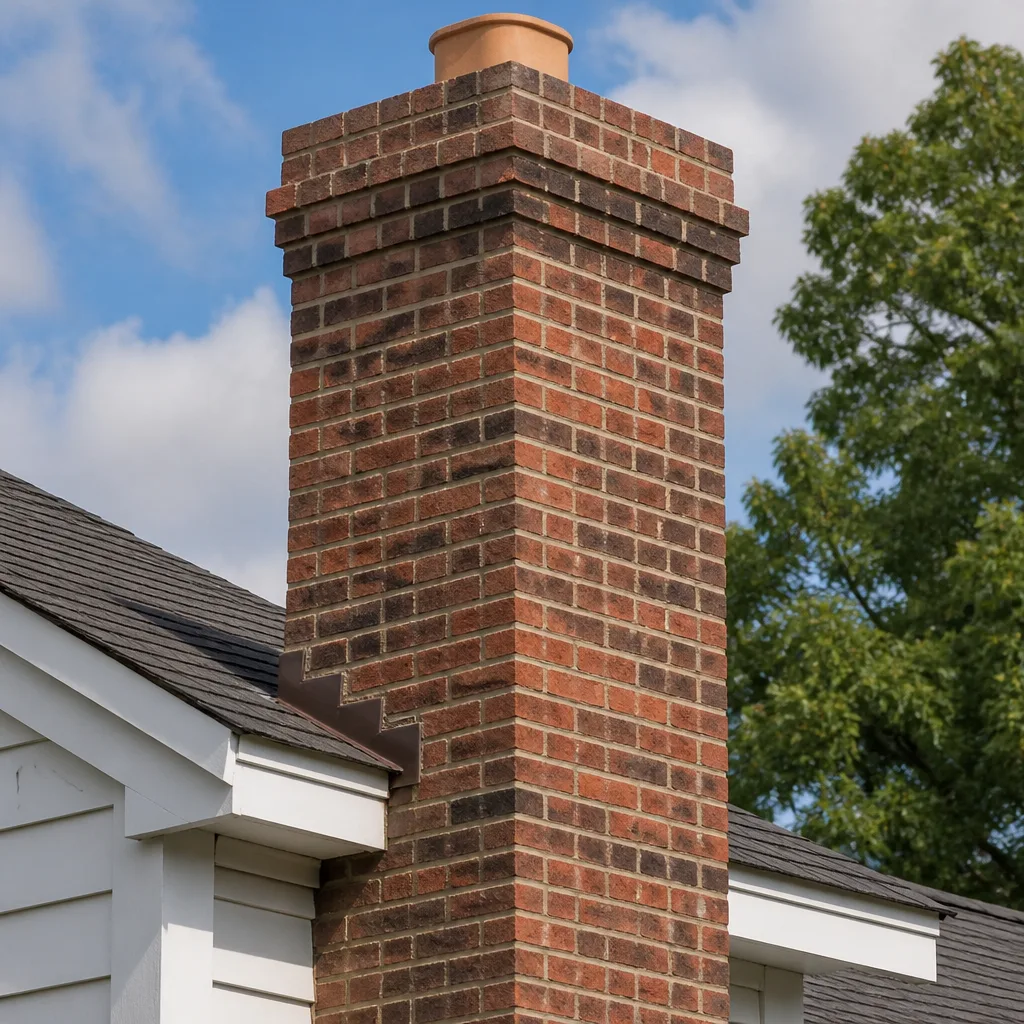 Masonry repair
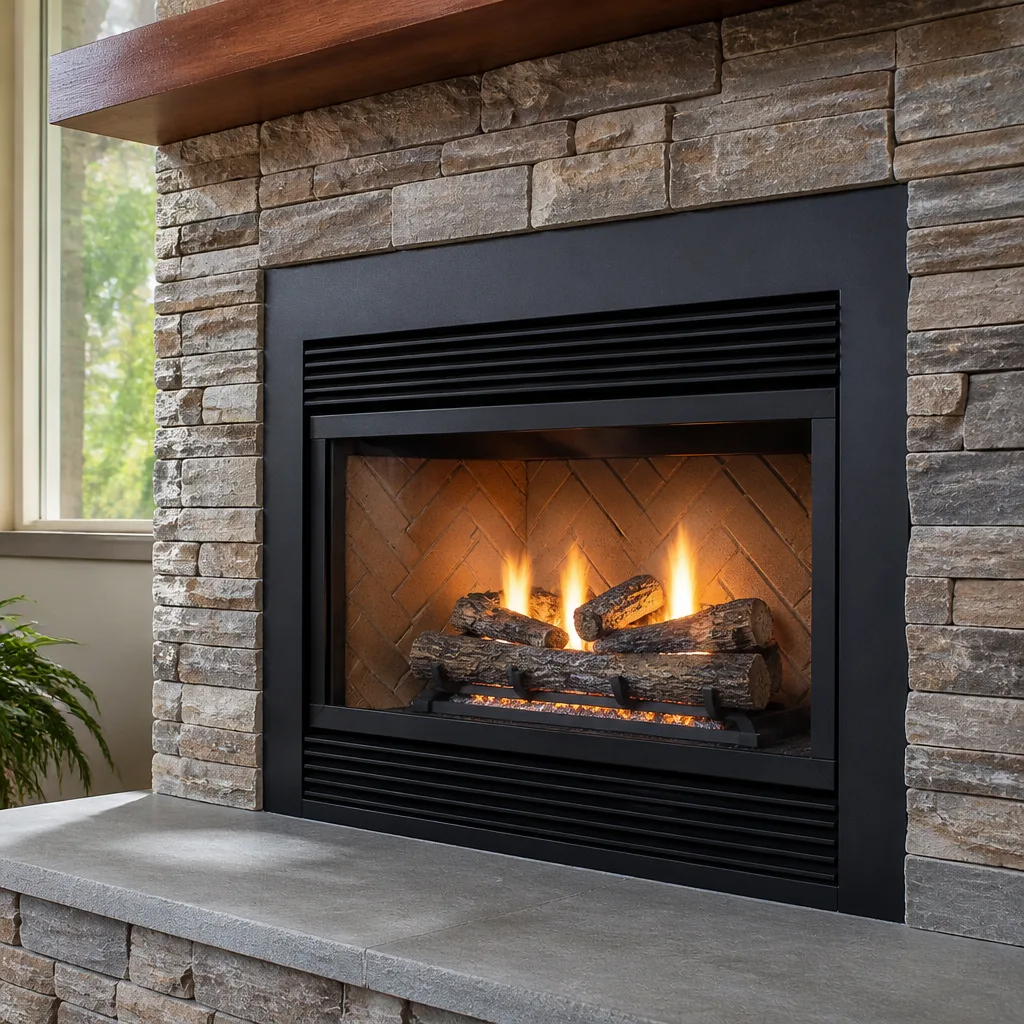 Gas fireplace service
Level 1 sweep and inspection to the NFPA 211 annual standard - flue, crown, cap, and flashing checked and photographed
Chimney sweep logs do not sweep chimneys. They loosen some creosote - which then falls where a brush and vacuum still have to collect it.
How to Hire a Chimney Cleaning Contractor in Salt Lake City: A Step-by-Step Guide
Utah does not issue a chimney sweep license. That single fact reshapes how you should hire in Salt Lake City, because it means the person at your door has no state credential to show you. Anyone with a brush, a ladder, and a business card can call themselves a chimney professional. The real dividing line is certification through the Chimney Safety Institute of America, and the gap between a certified sweep and an uncertified one shows up in inspection reports, insurance paperwork, and how safely your flue actually performs through a valley winter. This guide walks you through verifying credentials, asking the right questions, and spotting the tactics that separate chimney-only specialists from generalists filling a slow calendar. You’ll finish knowing exactly how to hire a chimney cleaning contractor in Salt Lake City without guesswork.
Quick Answer
Hire a Salt Lake City chimney cleaning contractor by confirming active CSIA certification on the public registry, asking for a written inspection report with photos, and requiring a flat-price quote agreed before any work begins. Choose a chimney-only specialist who uses professional-grade components rather than a generalist who treats chimney cleaning as an add-on. Get the quote in writing, watch the camera inspection yourself, and treat any pressure to approve same-day repairs as a reason to pause.
Styles & brands we work with
- Sweep & inspection
- Caps & crowns
- Flue relining
- Masonry repair
- Gas fireplace service
Table of Contents
- Why Chimney Certification Matters More Than the Van in Your Driveway
- What CSIA Certification Actually Verifies
- The Five Questions That Separate Specialists from Generalists
- What a Legitimate Estimate Looks Like
- Red Flags Specific to the Salt Lake City Market
- Why Chimney-Only Companies Produce Better Outcomes
- Reading Your Inspection Report
- When to Schedule Your Sweep in Salt Lake City
Why Chimney Certification Matters More Than the Van in Your Driveway
A marked vehicle and a friendly handshake tell you nothing about whether the person on your roof understands flue geometry. In Salt Lake City, where a large share of homes still burn wood through the cold months, a chimney that gets swept badly is worse than one left alone: an incomplete sweep leaves creosote packed in the flue, and creosote is the fuel source for chimney fires. The stakes are structural and respiratory, not cosmetic.
Certification is the one objective signal available to you. A CSIA-certified sweep has passed a proctored exam covering chimney construction, venting, combustion, and inspection standards, and holds current certification through continuing education. An uncertified sweep may be perfectly honest and still miss a cracked flue tile, a failing crown, or a blocked liner, because a routine sweep without a real inspection simply doesn’t check for those things.
Utah’s cold, dry winters and the valley’s temperature inversions also raise the bar. When wood smoke lingers in the air over the Salt Lake Valley, every poorly drafting chimney adds to the problem. A trained sweep reads draft performance, understands the relationship between flue size and appliance, and can tell you why your fireplace smokes into the room instead of up the flue.
None of this means a certified sweep is automatically the right hire. It means certification is the entry ticket, and everything else in this guide builds on top of it.
What CSIA Certification Actually Verifies
CSIA certification verifies three things: a technician has passed a standardized exam covering chimney and venting knowledge, has signed the CSIA code of ethics, and stays current through ongoing education. It does not verify price, availability, or that the company is a good fit for your specific chimney. But it is the closest thing the trade has to a baseline credential, and you can check it yourself in a few minutes.
How to confirm a technician’s credential
- Ask for the name of the certified technician, not just the company. A company cannot be certified; individual technicians are. If the answer is vague, that’s your first signal.
- Look up the name on the CSIA public registry. The registry lists active certified sweeps and their status. It takes about two minutes and settles the question.
- Confirm at the time of scheduling, not after the truck arrives. A certified technician who sends an uncertified helper up the ladder isn’t what you paid for. Ask who will actually do the inspection.
- Ask whether the technician carries the certificate or ID. A certified sweep should be able to produce proof on request without offense.
An active listing on the CSIA registry tells you the credential hasn’t lapsed. Certification requires renewal, and a sweep who let it expire isn’t current on current standards. When you’re comparing two quotes in Salt Lake City that differ by twenty dollars, the certification status of the person climbing your roof is a bigger factor than the price gap.
The Five Questions That Separate Specialists from Generalists
These five questions cut through most of the noise. Ask them before you book, over the phone, and listen to how the answers are given as much as what’s said.
1. Do you perform a camera inspection, and do I get the photos?
A proper chimney evaluation uses a camera to look inside the flue. Photos go in your report, so you can see what the technician saw. A sweep who says a camera “isn’t necessary” for a standard job is skipping a real step.
2. Is the price flat, or does it change once you’re on the roof?
Flat-price operators quote a scope of work and stick to it. Bait-and-switch models quote a low number over the phone and add line items once the ladder is up. You want the flat-price answer.
3. Do you do anything besides chimney work?
Chimney-only specialists answer no. General contractors and HVAC firms answer yes. That matters: a technician who does chimney work every working day of the year accumulates specific judgment about flue failures a generalist never develops.
4. Will you tell me if a repair can wait?
A specialist with a reputation to protect will say, plainly, that a hairline crack in a crown can be monitored for another season, and put that in the report. A sales-first operation pushes the repair today.
5. Can you do the cap, crown, and structural repair yourself, or do you sub it out?
The strongest answer is that one company handles the whole chimney lifecycle: inspection, chimney sweep, cap and crown, and structural repair. That’s how you avoid coordinating two or three contractors and chasing liability when something fails.
Ask these same five questions of any Salt Lake City contractor you’re considering. The answers, taken together, tell you more than any review count.
What a Legitimate Estimate Looks Like vs. a Lowball Quote
A legitimate estimate tells you exactly what’s happening in your chimney, what it costs, and what happens if you defer the work. A lowball quote tells you a number designed to get a technician into your driveway, then grows.
Elements of a legitimate estimate
- A written scope of work: what was inspected, what was found, what will be done, and in what order.
- Photos from the camera inspection attached to or referenced in the report.
- A flat price for the agreed work, with the written estimate as the final word on what you’ll pay.
- A clear recommendation on what can safely wait and what shouldn’t.
- Identified materials by brand and type, not “standard liner” hand-waved over the phone.
Signs of a lowball quote
- A price quoted sight unseen, over the phone, with no mention of an inspection.
- A price so far below the others that it can’t cover a real sweep plus inspection.
- Any pressure to approve additional work the same day, before you’ve seen the report.
- Terms that shift once the technician is on-site (“well, we found more once we opened it up”).
What separates a good estimate from a bad one is transparency. The written estimate is the final price; if the scope changes, that change should be discussed before it’s billed, not discovered afterward. When you’re weighing options in Salt Lake City, ask every contractor to put the quote in writing and describe the materials by name. A sweep who works with DuraFlex or Copperfield liners, for example, will say so. Specificity is confidence.
Red Flags Specific to the Salt Lake City Market
The tactics that catch homeowners in the Salt Lake Valley aren’t subtle once you know them. Here are the ones we see most often.
Vague pricing over the phone
A quote of “somewhere between” a wide range is almost always a hook. Real operators can give you a flat price for a standard sweep and inspection, and a separate written estimate for repair work once the chimney has actually been looked at.
No written inspection report
If you don’t get a document with photos and a checklist, you have no way to verify what was found, what was fixed, or what needs watching. A verbal “looks good” is not a report.
Pressure to approve same-day repairs
Urgency is a tool. If a technician insists you approve hundreds of dollars in liner or masonry work before you’ve read the report, decline and take the day. A legitimate problem doesn’t disappear overnight, and a real specialist will welcome the second look.
Chimney work offered as a sideline
When a roofing or general contracting company adds “chimney cleaning” to its services, the work rarely gets the time a chimney-specific job needs. Ask what percentage of their work is chimney and fireplace. The answer matters.
No brand names on the materials
Professional-grade chimney components have names: HeatShield for flue resurfacing, DuraFlex and Copperfield for flexible liners, Gelco and Olympia Chimney for caps and related parts. A contractor who can’t name the materials they use is likely picking up whatever’s at the hardware store.
None of these red flags means you’re dealing with a crook. Each is a reason to slow down and ask another question, which is the correct instinct when hiring for work on a system that carries fire and carbon monoxide risk.
Why Chimney-Only Companies Produce Better Outcomes
Chimney systems are their own trade. A homeowner hiring a specialist gets someone whose entire working week is inspection, sweep, cap and crown, fireplace repair, and chimney repair. That focus shows up in the quality of the inspection report, in the pricing transparency, and in how quickly a specialist spots a flue tile failing behind a HeatShield resurfacing job that bought the chimney more years of safe service.
The lifecycle coverage matters too. A chimney-only company handles a first inspection on a freshly purchased home, a routine annual sweep through the burning season, cap and crown work when weather has taken its toll, and structural repair when a liner or firebox has failed. You’re not handed off to a second contractor for the repair after the sweep is finished.
Consider the Salt Lake City climate. Summers are hot and dry, winters are cold, and freeze-thaw cycles work on masonry crowns, caps, and mortar joints through the shoulder seasons. A specialist who knows how these cycles affect masonry chimneys will inspect the crown and cap as a matter of course, not as an upsell. A generalist often won’t look at them at all.
If you need broader context on the service itself, our chimney sweep page covers what a standard visit involves. The short version: a specialist’s visit gives you a clean flue, a written report, and a clear list of what can wait versus what needs attention now.
Reading Your Inspection Report
The inspection report is the document that tells you whether your chimney is safe heading into the burning season. Learn to read it, because the information in it determines what you do next.
What a complete report includes
- Flue condition: camera photos of the interior, with any cracked, spalled, or missing tiles identified.
- Creosote level: the degree of buildup, which tells you whether a sweep is due now or already overdue.
- Crown and cap condition: cracks, missing pieces, or water intrusion points.
- Firebox and damper: the components of the fireplace itself, not just the flue above it.
- Draft and venting: how the appliance breathes, and any signs of backdrafting.
- Recommended actions: what should be done now, and what can safely wait a season.
If the report recommends a repair, look for the camera evidence behind it. A liner replacement recommendation without photos of a failed flue is something to question. HeatShield flue resurfacing, for example, addresses deteriorating flue tiles without a full relining, and a specialist can explain in plain language why one option fits your chimney and the other doesn’t. That explanation is the thing to listen for. See our fireplace repair page for how report findings translate into repair work.
Compare two reports and you’ll see the difference in detail immediately. A one-page checklist with no photos is a skimmed inspection. A report with images, a flue diagram, and a clear recommendation list is inspection work you can verify.
When to Schedule Your Sweep in Salt Lake City
Schedule your sweep in late summer or early fall, before you start burning regularly. The Salt Lake Valley’s burning season runs through the cold months, and a sweep done before the first fire gives you a clean flue through the heaviest use. Salt Lake City homeowners who wait until November often face a longer wait, and the rush crowds the calendar.
A yearly sweep is the standard cadence for a wood-burning fireplace in regular use. Gas inserts still need an inspection, even if the sweep frequency is different, because the venting matters as much as the firebox. If you’ve just bought a house, get an inspection before your first burn: prior owners’ burning habits, deferred maintenance, and previous repairs are unknowable without a camera in the flue.
Seasonal checklist
- Late summer: book your annual sweep and inspection.
- Early fall: address any repairs flagged in the report before burning season.
- First burn: watch for draft problems, smoky smell, or a fire that struggles to draw.
- Mid-season: if you notice a strong creosote smell, call for an inspection without waiting for the next scheduled sweep.
For our full services, including cap and crown work that mitigates the freeze-thaw wear, our chimney cap & crown page covers installation and repair. And when you need the broad picture of the company that handles every stage, the Salt Lake City Chimney Sweep Co homepage lays out the full arc from inspection through repair.
Common Mistakes to Avoid
- Hiring on price alone. The cheapest quote in Salt Lake City often grows once the technician is on the roof. A flat-price estimate with a written scope costs more on paper and less in the end.
- Skipping the CSIA registry check. Two minutes on the registry confirms the credential the contractor claims. Homeowners who skip this step sometimes find their sweep wasn’t certified at all.
- Accepting a verbal inspection. No written report with photos means you have no record of what was found. That matters when you sell the home or need to prove a repair was done.
- Approving repairs on the spot. Take the report, read it, and ask for the camera evidence behind any repair recommendation. A legitimate specialist welcomes this.
- Assuming a general contractor’s chimney add-on is a specialist. Chimney-only companies do every job with the same focus. Other trades with a brush on the truck don’t.
- Treating the cap and crown as cosmetic. A cracked crown leaks water into the masonry, and Salt Lake City freeze-thaw cycles accelerate the damage. Ask about both in every inspection.
- Deferring the annual sweep. Creosote buildup doesn’t announce itself until a chimney fire or a restricted flue does. The sweep you schedule this fall is cheaper than the repair next spring.
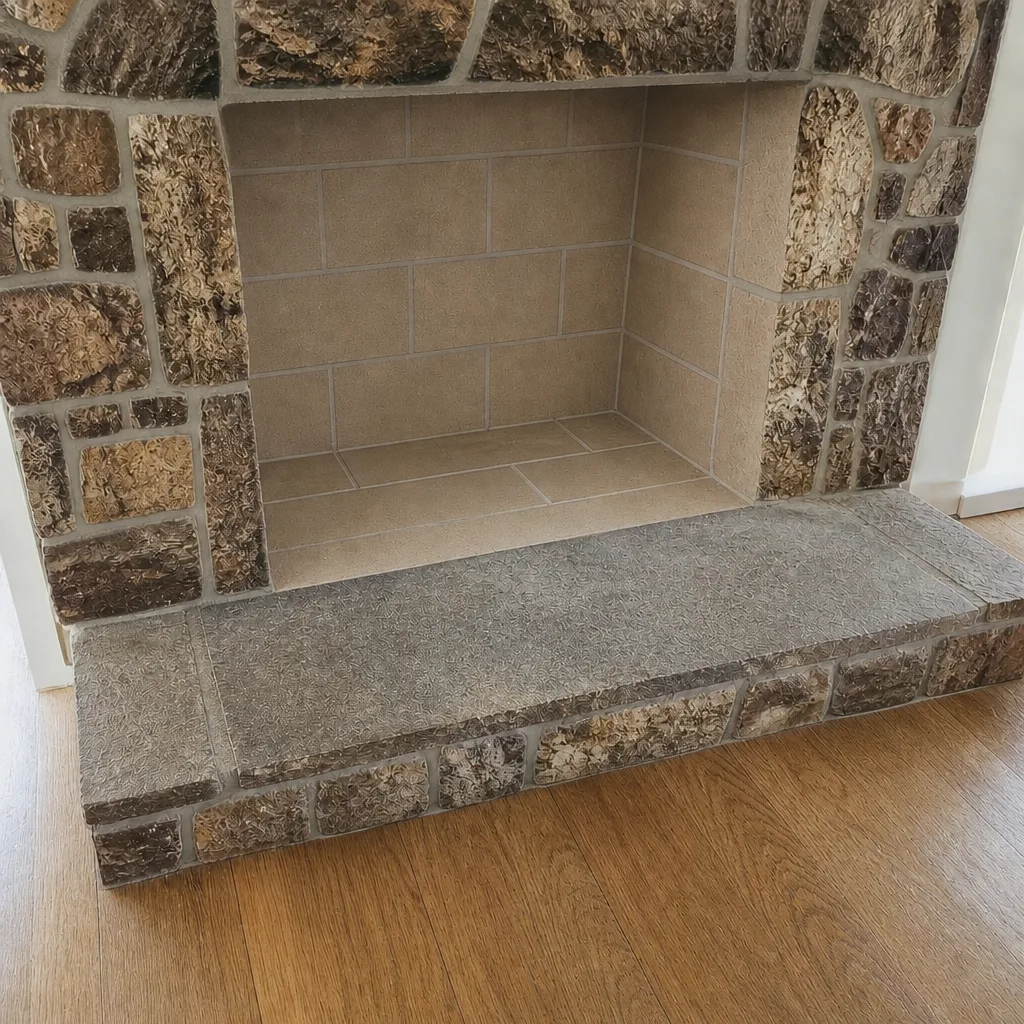
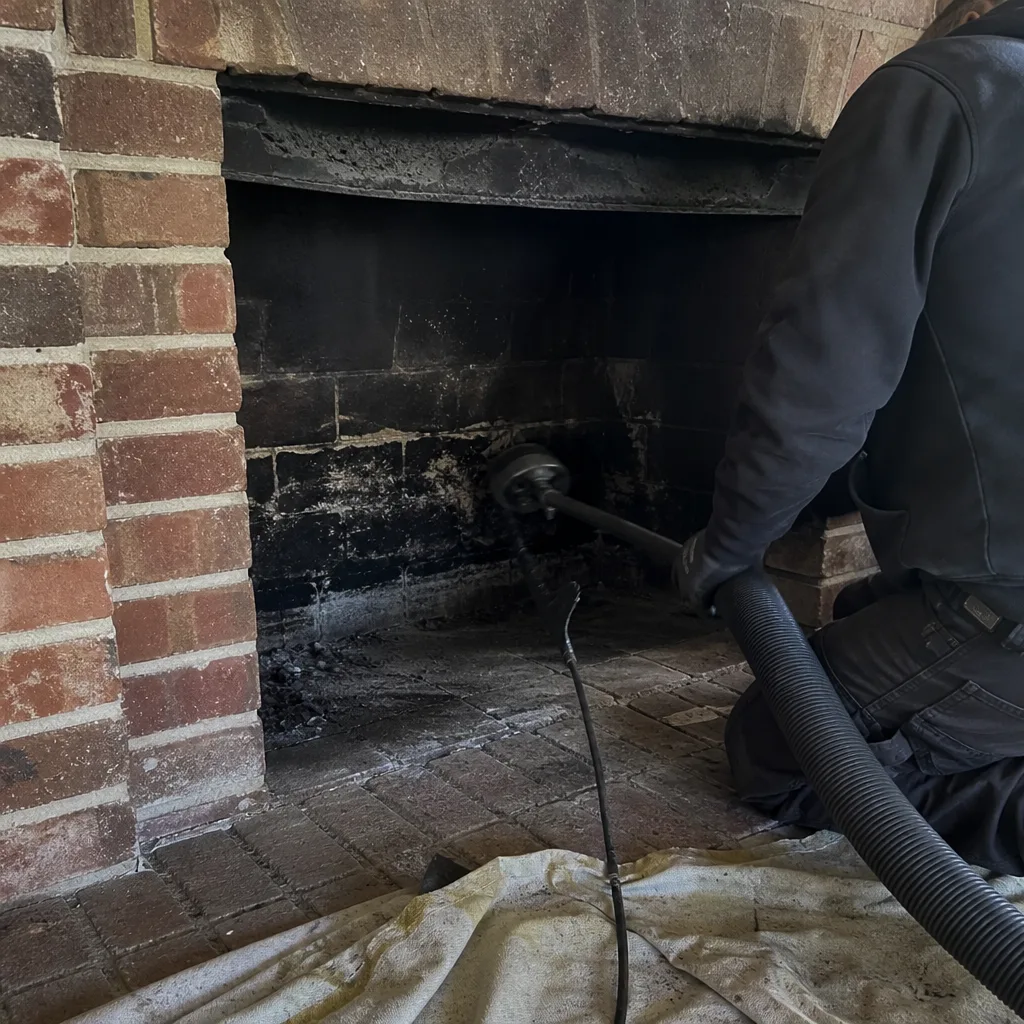
See the difference
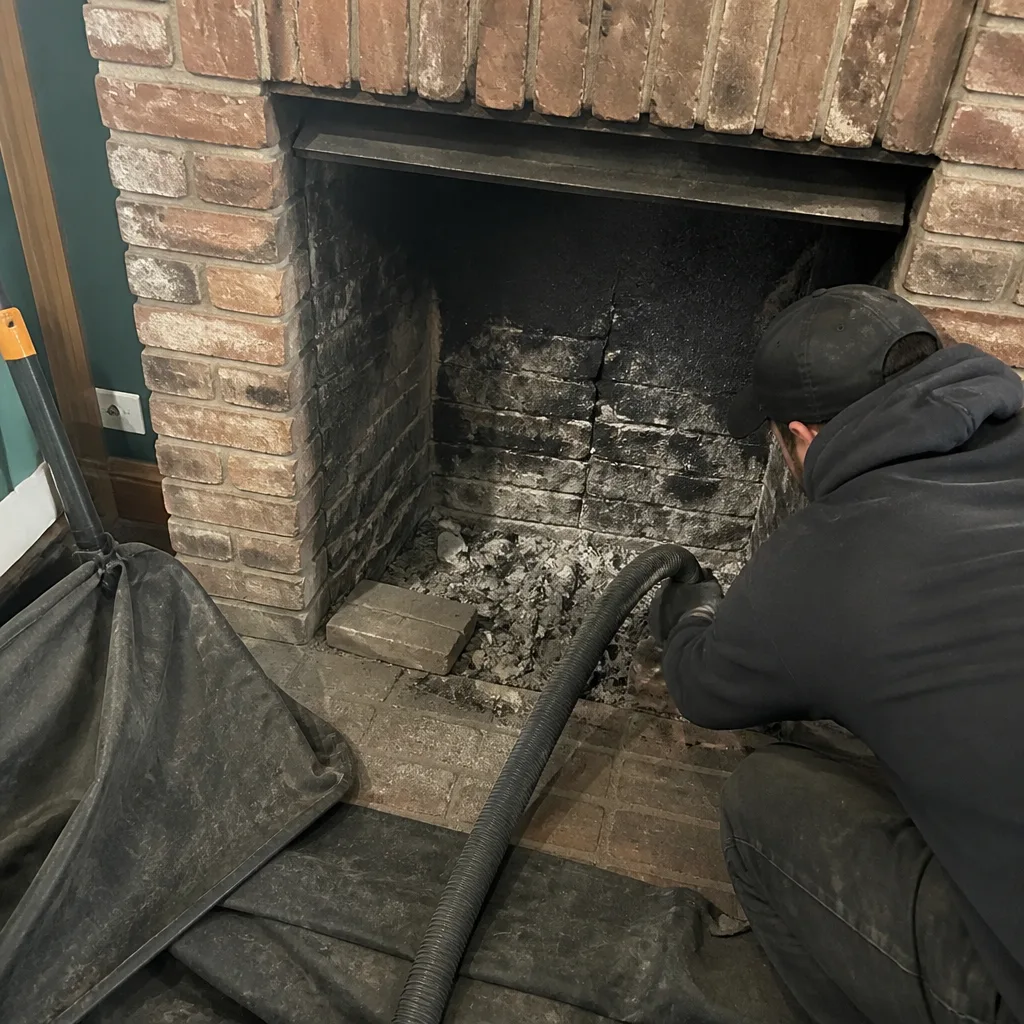 Before
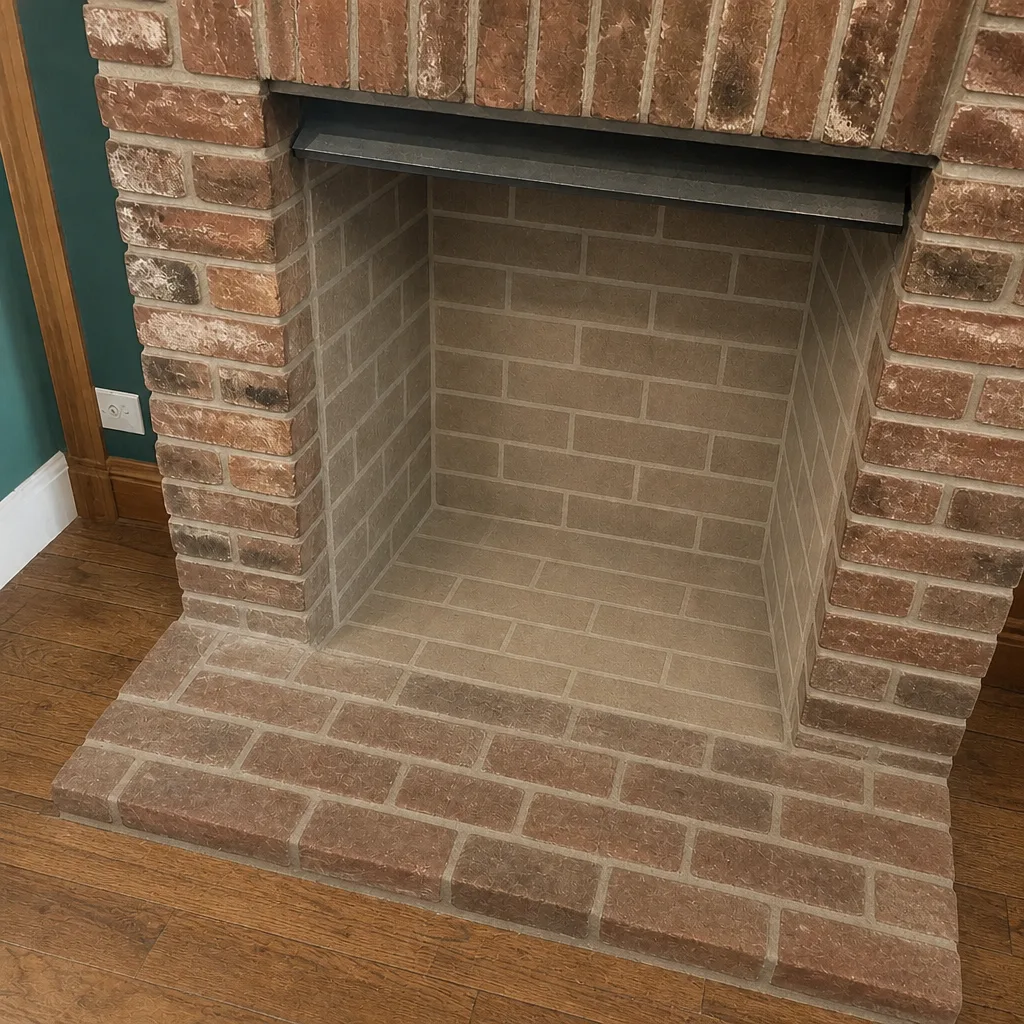 After
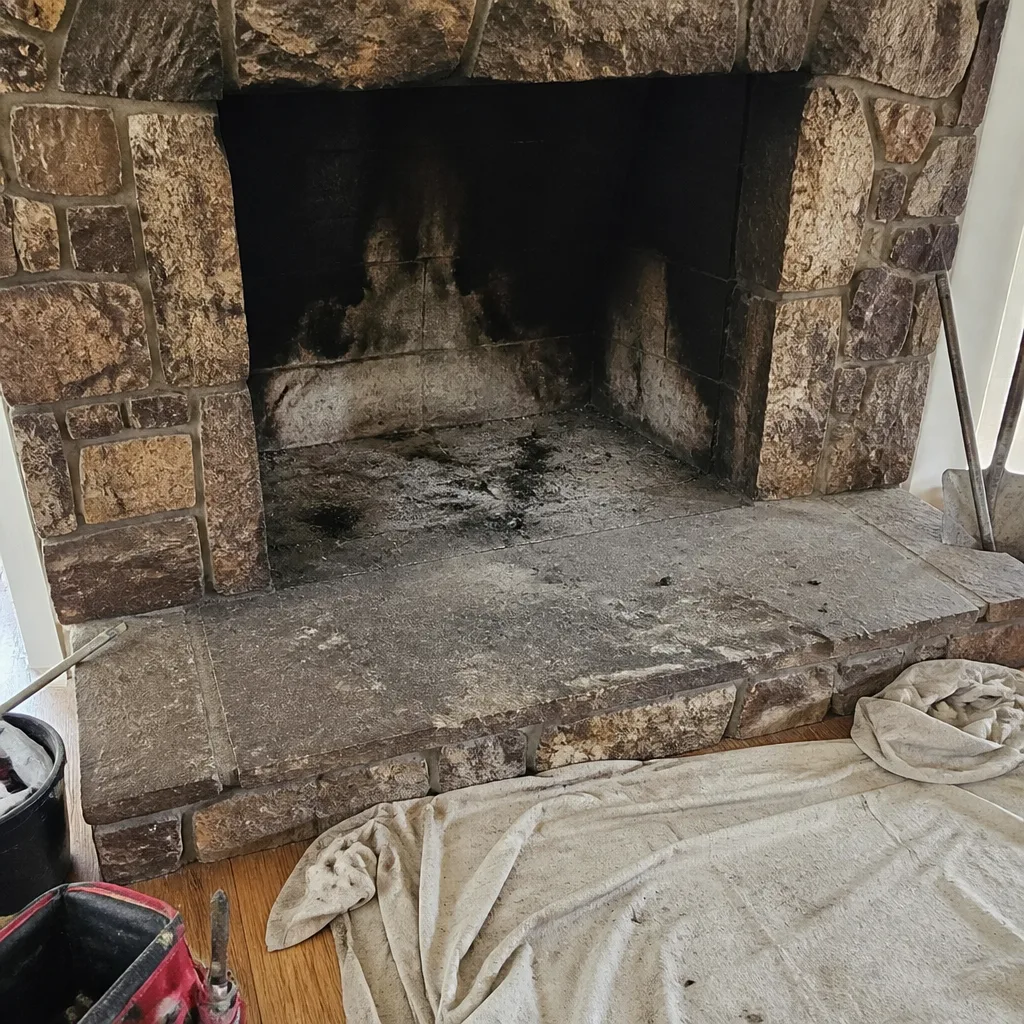 Before
 After
 Before
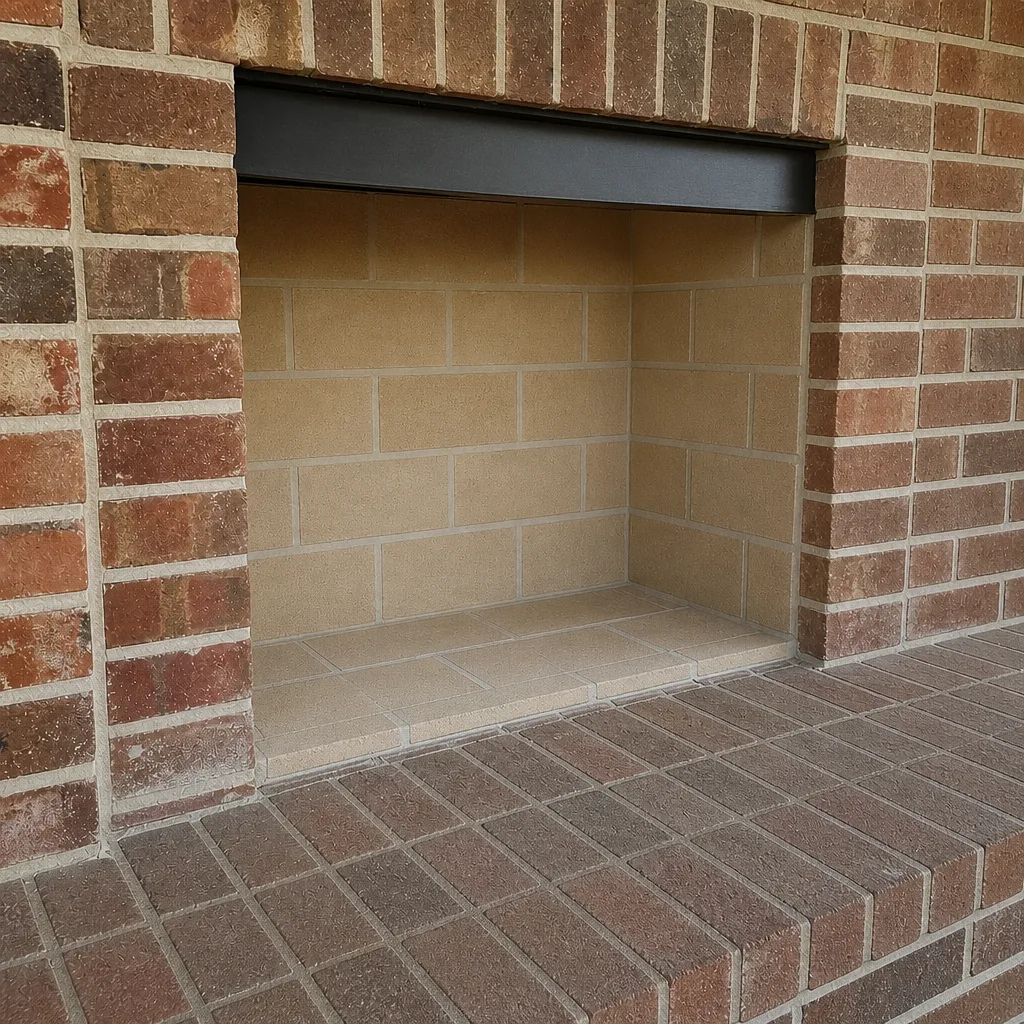 After
When to Call a Professional
Call a professional chimney contractor when any of the following apply: your fireplace hasn’t been inspected since you bought the home, you’ve noticed a strong creosote smell, your fire smokes into the room rather than drawing up the flue, your crown or cap has visible cracks, or you’re heading into the burning season and haven’t had a sweep. These are all cases where a certified technician’s inspection and a written report give you real information, not guesses.
Safety is the reason to act. Creosote accumulates in flues and fuels chimney fires, and carbon monoxide from a blocked or cracked flue is a hazard you can’t see or smell. Getting the chimney inspected before the cold season isn’t a luxury; it’s the single most reliable way to know the system is safe to run.
A trained professional should do the actual work on the roof and in the flue. High roofs, steep pitches, and fragile masonry are hazards that reward experience. Our technicians have up to 13 years of experience, and Salt Lake City Chimney Sweep Co offers free estimates in Salt Lake City. Call (866) 947-8813.
Frequently Asked Questions
A standard chimney sweep and inspection in Salt Lake City typically falls in the range you’d see quoted for a flat-price visit that includes a camera inspection and a written report. Prices are set per job by the written estimate, and the free estimate gives you a specific number for your chimney rather than a phone quote. Call (866) 947-8813 for an exact quote. Estimates are free.
Sometimes yes, often no. A liner recommendation should come with camera photos of a failed or degrading flue, and you should see the evidence before you agree. In many cases, HeatShield flue resurfacing addresses deteriorating tiles without a full relining, and a specialist can explain both options. If you’re told you need a new liner without photos, ask for them, then call (866) 947-8813 if you still want a second opinion. Estimates are free.
Once a year for a wood-burning fireplace in regular use is the standard cadence, ideally scheduled before the burning season. Gas inserts still need an annual inspection even if the sweep frequency differs, because venting matters as much as the firebox. A home you’ve just purchased should get an inspection before your first burn. Call (866) 947-8813 to book a visit before the cold sets in.
Creosote builds up in the flue and becomes fuel for a chimney fire; a partial blockage can also push carbon monoxide into the living space. Neither outcome announces itself early, which is why the annual inspection is done by camera. A sweep removes the buildup and a report tells you whether anything else needs attention. Call (866) 947-8813 to schedule a sweep and inspection. Estimates are free.
Yes. Crown cracks and failing caps are common in Salt Lake City because winter freeze-thaw cycles work on masonry. Cap and crown installation and repair is one of the five service categories we cover, and it’s part of the same relationship as your sweep and inspection. Call (866) 947-8813 to book an assessment. Estimates are free.
You want one, yes. Utah doesn’t issue a chimney sweep license, so CSIA certification is the clearest independent proof that a technician has been trained and tested on chimney and venting systems. Check the name on the CSIA public registry before booking. Call (866) 947-8813 to schedule with a certified technician. Estimates are free.
The Bottom Line
Hiring a chimney cleaning contractor in Salt Lake City comes down to five things: verify the technician’s CSIA certification on the public registry, ask the five specialist questions before you book, insist on a written inspection report with camera photos, require a flat-price written estimate, and treat pressure to approve same-day repairs as a reason to pause. Choose a chimney-only specialist over a generalist, and you’ll get consistent judgment on flue, crown, and cap work that a general contractor doesn’t develop. Your chimney is a system with fire and carbon monoxide implications; hire like it matters.
Salt Lake City Chimney Sweep Co offers free estimates and serves Salt Lake City homeowners for the full arc of chimney care: sweep, inspection, cap and crown, fireplace repair, and chimney repair. We answer 24/7. Fast dispatch from 7am to 7pm, Sunday through Friday. Call (866) 947-8813 for a free estimate.
Written by the team at Salt Lake City Chimney Sweep Co.