
Last updated November 25, 2026
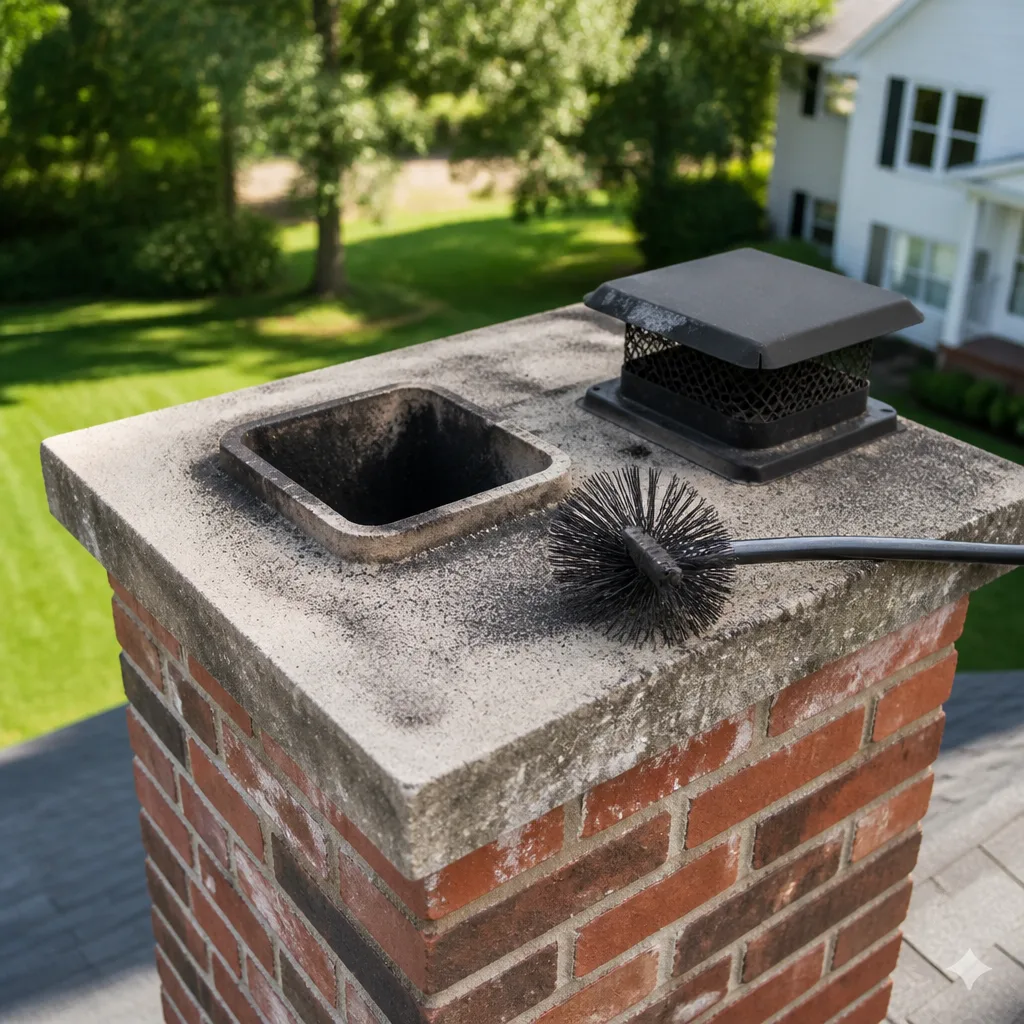 Sweep & inspection
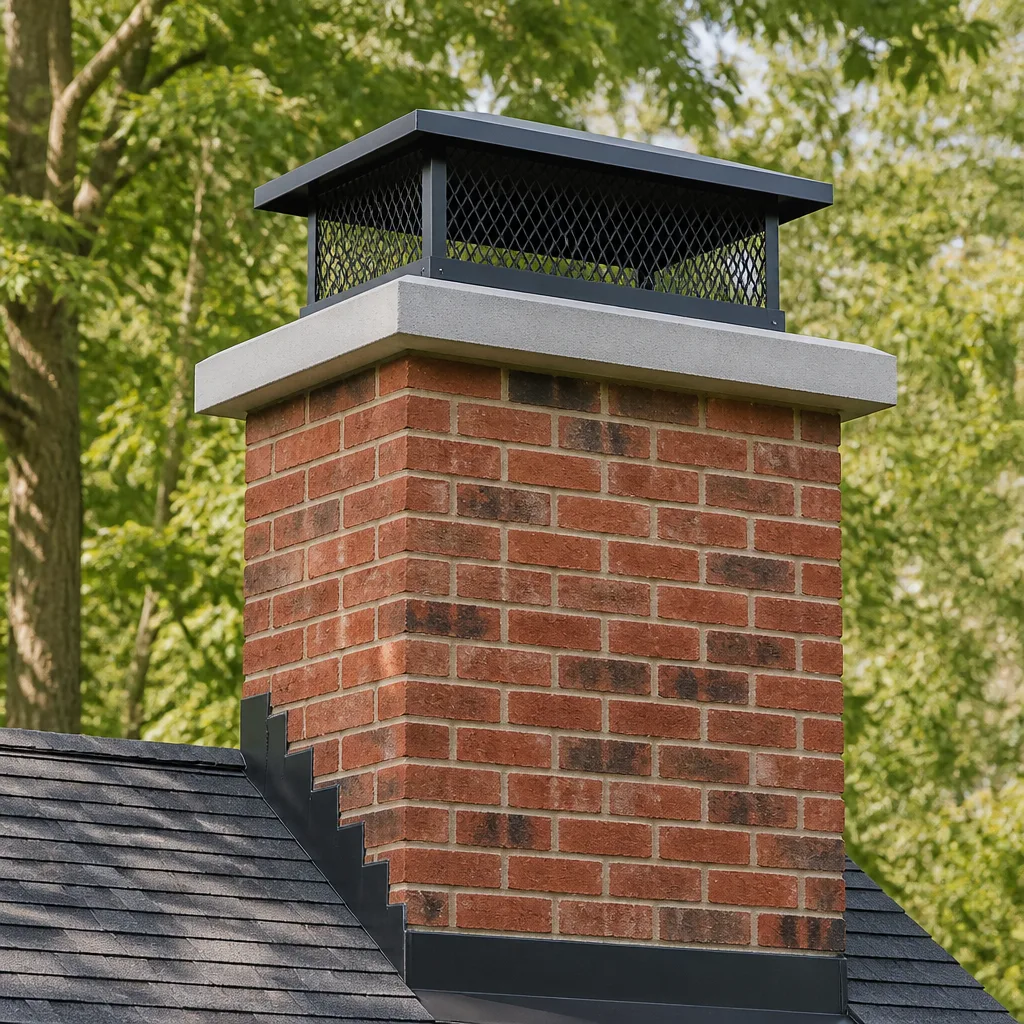 Caps & crowns
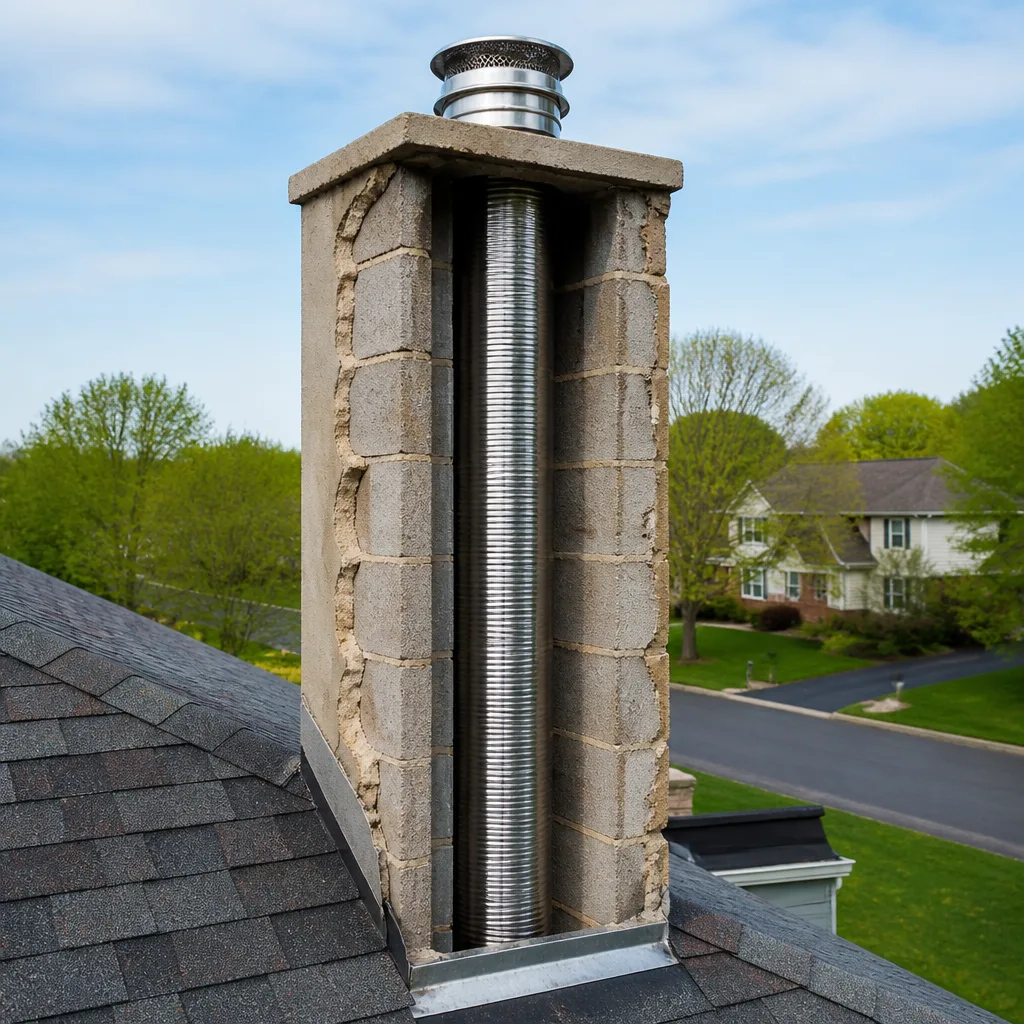 Flue relining
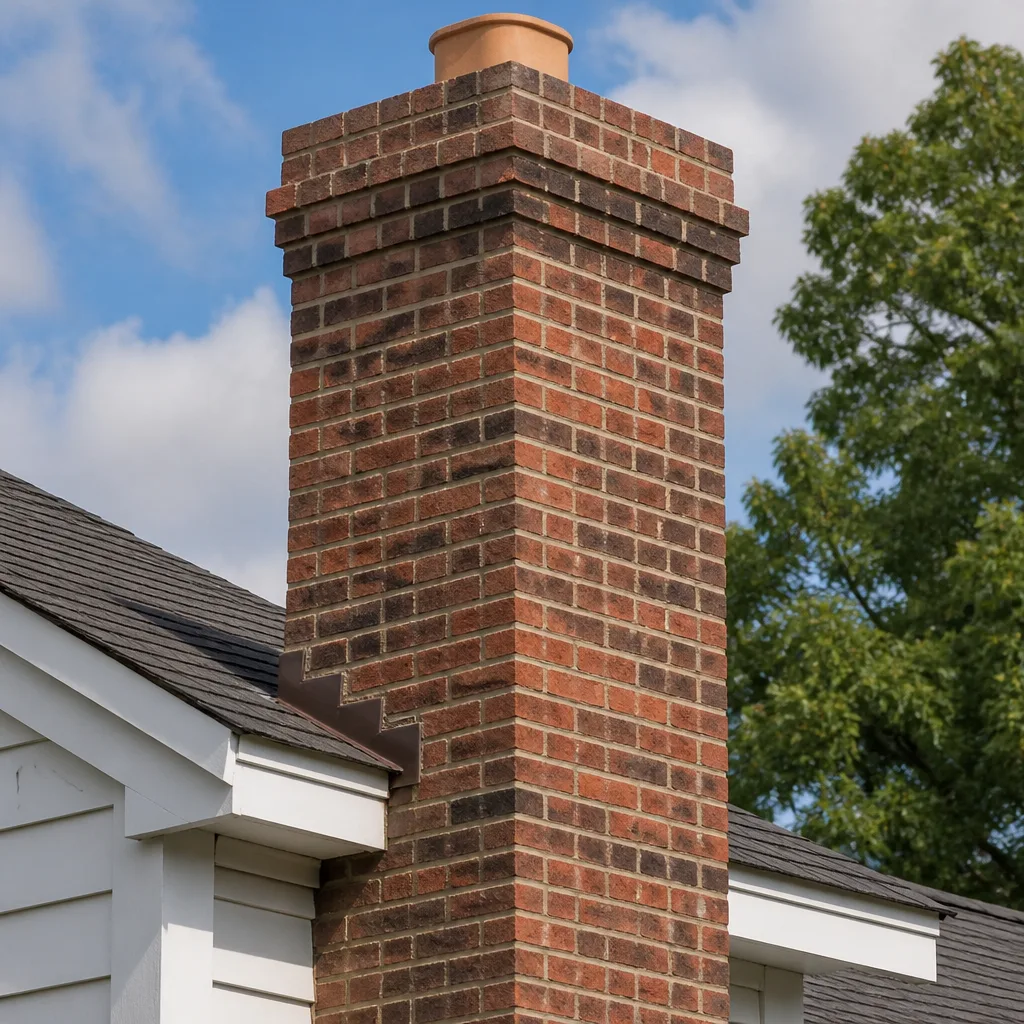 Masonry repair
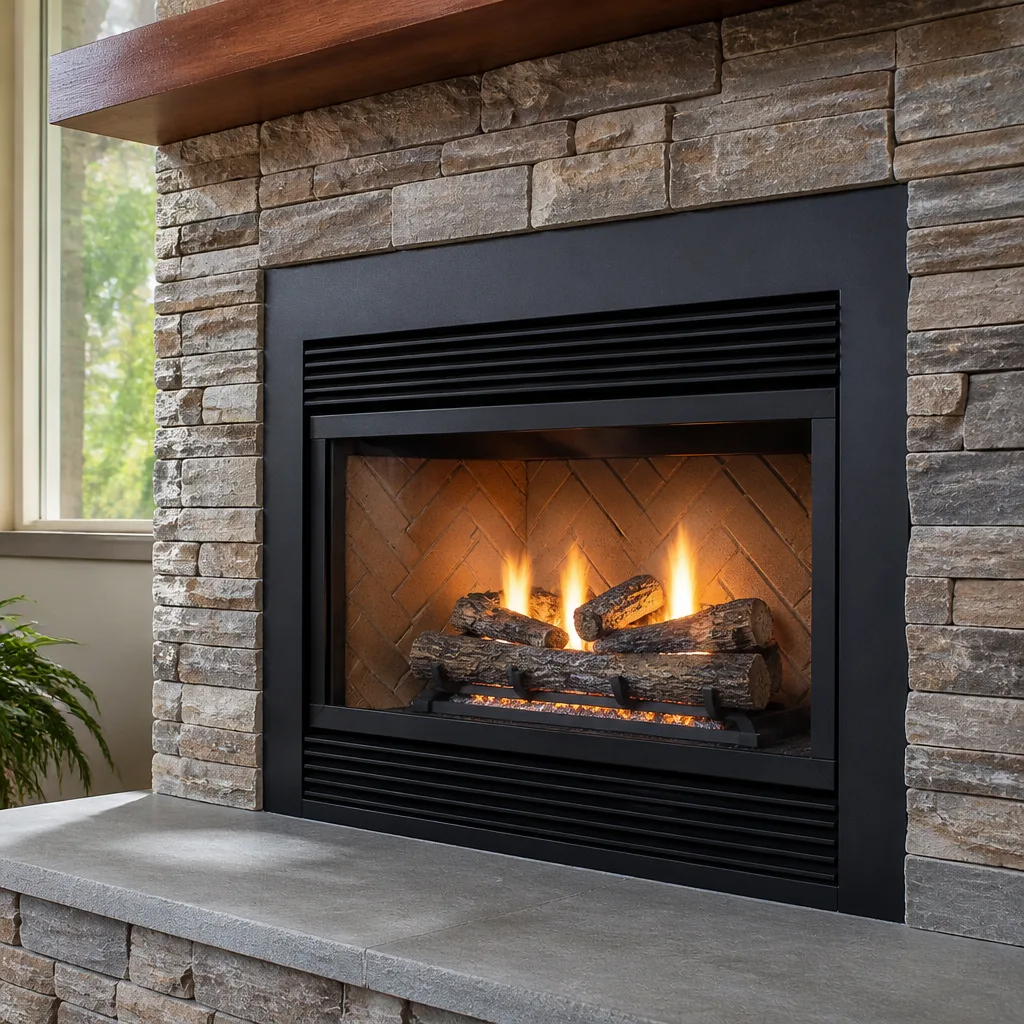 Gas fireplace service
Level 1 sweep and inspection to the NFPA 211 annual standard - flue, crown, cap, and flashing checked and photographed
Chimney sweep logs do not sweep chimneys. They loosen some creosote - which then falls where a brush and vacuum still have to collect it.
Chimney Cleaning Permits, Codes & Inspections in Salt Lake City, UT: What You Need to Know
Most homeowners assume chimney work is like any other home repair: pick up the phone, get it done, move on. That holds true for routine cleaning in Salt Lake City. A basic sweep rarely touches a permit counter. But the moment your chimney project shifts from maintenance to modification (a new liner, a rebuilt crown, structural repair to the masonry), the rules change, and the gap between a permitted and unpermitted job can matter enormously at resale or when you file an insurance claim. This guide walks through which chimney services in Salt Lake City need a building permit and which don’t, how Utah’s building code governs clearances and liner specs, what a CSIA Level 2 inspection actually documents, and how to verify permit status after the work is done.
Quick Answer
Routine chimney sweeping is exempt from building permits in Salt Lake City; structural modifications (relining, masonry repair, cap and crown replacement) typically require a permit through Salt Lake City’s building services department, and inspections serve as the documentation trail that proves the work was done to code. A CSIA Level 2 inspection is the standard a buyer’s lender or your insurer usually wants to see.
Styles & brands we work with
- Sweep & inspection
- Caps & crowns
- Flue relining
- Masonry repair
- Gas fireplace service
Table of Contents
- Which Chimney Services Need a Permit in Salt Lake City?
- How Utah’s Adoption of the IRC Governs Chimney Work
- What a CSIA Level 2 Inspection Means for Real Estate and Insurance
- How Salt Lake City Permits Are Processed and Inspected
- How to Verify Permit Status After the Work Is Done
- Salt Lake City Climate and Chimney Code Context
- Seasonal Timing and Why It Matters in the Valley
Which Chimney Services Need a Permit in Salt Lake City?
The split comes down to whether the work changes the structure or function of the chimney system. Cleaning, sweeping and general inspection do not require a permit because they don’t alter the system. But when a contractor is replacing flue tiles, installing a new liner, rebuilding a crown, or altering the chimney’s physical footprint, expect a permit through Salt Lake City’s building services department.
Here’s the practical breakdown as we apply it in the field:
- Chimney sweep and cleaning – no permit. This is routine maintenance comparable to having a furnace filter changed.
- Level 1 or Level 2 inspection – no permit. The inspection produces a report, not a structural change.
- Chimney cap replacement – often no permit when swapping a cap for a like-for-like replacement. New cap installation on an uncapped flue is usually also exempt.
- Crown repair or replacement – usually requires a permit because the crown is a structural masonry component that sheds water away from the flue.
- Flue relining (stainless or cast-in-place) – typically requires a permit. This is where the miscommunication happens most often.
- HeatShield flue resurfacing – permit requirements vary. Some jurisdictions treat it as a modification, others as a repair. Ask the permit office directly before the work is scheduled.
- Structural masonry repair or rebuild – requires a permit.
- Fireplace damper or firebox repair – a case-by-case call; cosmetic repairs are often exempt while functional changes usually are not.
We always recommend confirming permit requirements with Salt Lake City’s building services before the work is scheduled. A licensed, insured local professional knows which category a job falls into. If yours needs clarification, that’s a red flag.
How Utah’s Adoption of the IRC Governs Chimney Work
Utah has adopted the International Residential Code (IRC) as the basis for its residential building standards, and that adoption shapes how chimneys, liners, clearances and caps must be constructed here. The IRC doesn’t just apply to new builds. It’s the reference document a Salt Lake City building inspector uses to evaluate any permitted chimney work, whether the home is new construction in Daybreak or a 1940s brick bungalow in Sugar House.
Three IRC requirements turn up repeatedly in Salt Lake City chimney work:
- Liner specifications. The IRC requires every masonry chimney to have a liner that matches the appliance. Wood-burning fireplaces need clay flue tile or a listed stainless liner. Gas inserts usually need an appropriately sized, listed liner (DuraFlex and Olympia Chimney both make listed systems we install). The liner must be sized for the appliance and continuous from the appliance outlet to the top of the flue.
- Chimney clearances. The IRC specifies how far a chimney must extend above the roofline to maintain proper draft and keep smoke out of the living space. That vertical height requirement is why a short chimney on a steep-pitched Avenues home often needs extension work to pass inspection.
- Cap requirements. A chimney cap isn’t strictly required by every section of the IRC, but a properly listed cap is required for spark arrest and weather exclusion on most installations. In Salt Lake City, cap installation is often tacked onto a permitted crown job.
Where the code is silent, the manufacturer’s instructions govern. If a DuraFlex liner is installed without a spark arrestor or without the cap specified in the installation manual, an inspector can fail the job even if the code section technically allows flexibility. That’s why we use professional-tier brands (DuraFlex, Olympia Chimney, Copperfield, Famco) – the documentation trail is cleaner and the installation instructions are readable by an inspector.
What a CSIA Level 2 Inspection Means for Real Estate and Insurance
A CSIA Level 2 inspection is a documented, camera-assisted evaluation of the entire chimney system, including accessible portions of the flue, firebox, damper, crown, cap and any connected appliance. It goes beyond a basic Visual Level 1 because it uses a chimney camera to look inside the flue at every turn, and it produces a written report you can hand to a buyer, lender, adjuster or code official.
In the Salt Lake City real estate market, a Level 2 inspection shows up in two situations most often:
- Home purchase. A buyer’s inspector flags the chimney. The lender or the buyer’s agent asks for a Level 2 before closing. This is common on older homes in the Avenues, Sugar House, the Liberty Wells area and Capitol Hill, where the original clay flue tile may have spalled or cracked.
- Insurance underwriting. When a homeowner switches carriers or files a claim, the insurer may request documentation that the chimney is serviceable. A Level 2 report with photos answers that question without a site visit from the adjuster.
What the report should include, and what an insurer or buyer typically wants to see:
- A written narrative describing the chimney type, liner material, and any deficiencies observed.
- Photos of the firebox, damper, smoke chamber, flue interior and the crown and cap at the top.
- A recommendation section that separates “serviceable” from “monitor” from “repair recommended.”
- An indication of whether the chimney is safe to use as-is.
We include camera inspection and a photo report with our inspections because the homeowner deserves to see what we see. Nothing is recommended without evidence they can look at themselves. That principle holds whether the report is going to an insurer or staying in your kitchen drawer.
How Salt Lake City Permits Are Processed and Inspected
Salt Lake City building permits for chimney work are handled through the city’s building services department, which sits within the Department of Community and Neighborhoods. The permit process is straightforward, but it’s not fast if you’re starting from scratch mid-project.
Here’s how a typical chimney repair permit flows:
- Application. The contractor (or homeowner, if self-managing) submits a permit application describing the scope: relining, crown replacement, structural repair, etc. A sketch or spec sheet from the liner manufacturer is often required.
- Plan review. The permit office reviews the scope against the current IRC adoption. Simple jobs clear quickly. Larger jobs (chimney extension, rebuild) may prompt questions about clearances and liner sizing.
- Permit issued. Once approved, the permit is issued and posted. Work can proceed.
- Rough-in inspection. For liner work, the inspector typically wants to see the flue and liner before the masonry above it is closed up. Photos may or may not be accepted.
- Final inspection. The inspector verifies the finished work – liner continuity, cap installation, crown slope, clearances – and signs off. The permit is then closed.
Timing varies with the permit office’s workload and the complexity of the job. What matters is that the final inspection gets recorded, because that’s the documentation trail you’ll need at resale or at claim time. We work with permitted jobs regularly and can flag for a homeowner when a permit will be required before work begins.
How to Verify Permit Status After the Work Is Done
If a contractor tells you the work was permitted, you can verify that in about ten minutes. In Salt Lake City, the building services department maintains a public permit portal where you can search by address and view the status of any permit on record. You’re looking for two things: the permit exists, and the permit shows “finaled” or “closed” status rather than “open” or “issued.”
An open permit is a problem. It means the final inspection never happened, or the inspector identified corrections that were never made. Either way, the work is not documented as code-compliant, and at resale or claim time that gap can be used against you.
Here’s how to walk through it:
- Search the permit portal by property address.
- Look for permits related to chimney, flue, masonry or fireplace work.
- Check the status. Closed is what you want. Open means follow up.
- If you find an open permit, call the permit office and ask what’s needed to close it. Sometimes a re-inspection is all that’s required.
- If the search returns nothing and you believe a permit was required, ask the contractor for the permit number directly.
This matters especially if you bought the home within the last few years and the seller disclosed chimney work. It also matters if you’re about to list. Salt Lake City buyers’ agents increasingly check permit status on fireplace and chimney work, and an unpermitted relining job can stall a closing.
Salt Lake City Climate and Chimney Code Context
Salt Lake City’s climate shapes chimney code compliance in ways a homeowner in a milder region wouldn’t notice. The valley sits at about 4,300 feet elevation, with the Oquirrh and Wasatch ranges funneling winter inversions that hold cold air and wood smoke close to the ground. Temperature swings across the year move between hard freezes and dry summer heat, which is exactly the cycle that cracks chimney crowns and spalls clay flue tile.
That has three practical implications:
- Freeze-thaw cycles stress the crown. A cracked crown lets water into the chimney’s masonry, and in Salt Lake City winters that water freezes. The freeze-thaw action widens the crack, which is why crown repair is more frequent here than in warmer states. A permitted crown job that follows the IRC’s slope and overhang requirements will last years longer than a cosmetic patch.
- Winter inversion season means more wood burning. During the cold months, homeowners lean on fireplaces and wood stoves more heavily. That’s also when creosote accumulates faster. The gap between “you should have a sweep” and “you actually need one” is shorter here.
- Higher elevation affects draft. Chimneys at elevation draw slightly differently than at sea level, and that affects liner sizing. An undersized liner installed without proper documentation is one of the more common code issues we see on homes in the foothills and on the east bench.
We don’t want to overstate the climate factor. Salt Lake City isn’t uniquely harsh. But the specific combination of elevation, inversion-season wood burning and freeze-thaw cycling makes the code requirements around liners and crowns more consequential here than in a lot of places, and the permit trail matters more as a result.
Seasonal Timing and Why It Matters in the Valley
Chimney work in Salt Lake City has a real seasonal rhythm. Homeowners don’t think much about their chimney in July. They call in November when the first fire of the season smokes into the room, and by then everyone else in the valley is calling too. That surge complicates permit timelines and pushes scheduled work back.
Permitted jobs benefit from being booked off-peak. The permit office processes applications more quickly in summer, and the rough-in inspection can happen while the weather is still cooperative. A liner replacement scheduled in March or April is far less likely to hit inspection scheduling snags than the same job scheduled in December.
Here’s our practical advice, stated plainly:
- Book inspections and sweeps before burning season. Late summer and early fall are the sweet spot for both the maintenance and the documentation side.
- Don’t let deferred maintenance slide. A chimney that was “fine last year” can have a visible crack in the crown by this year. That crack turns into a permit-level repair if the water gets deep enough into the masonry.
- Permit early for larger jobs. If you know you need relining or crown work next year, get the permit in hand before the work is scheduled so the job goes in clean.
We’re closed on Saturdays, and we schedule Sunday through Friday, 7am to 7pm. That’s a consideration for homeowners trying to arrange a chimney inspection around work and family schedules, but it’s rarely a problem if the job is booked early. If you need to call to discuss a job, we answer 24/7.
What a Routine Sweep Actually Documents
A sweep is not just a cleaning. It’s an inspection event. Even a basic sweep produces useful information about the chimney’s condition, and if the sweep technician sees signs of trouble, that’s the moment to escalate to a Level 2 and start thinking about permits. Sweeping alone rarely requires a permit, but sweeping is how most permit-worthy problems get discovered.
What we record during a standard sweep in Salt Lake City:
- The amount and type of creosote observed (glazed, flaky, or soot-like).
- The condition of the firebox and damper.
- The first few feet of the flue, from inside the firebox looking up.
- The crown and cap, when the roof is safely accessed.
- Any obvious signs of water intrusion or masonry spalling.
If the report flags any of these, that’s when we move to a camera inspection and, if warranted, discuss whether the repair will need a permit. Sweeping, inspection and repair sit under one roof with us, so the handoff between them is direct. You don’t have to call a separate contractor to get a second look. That’s the practical reason our chimney sweep visits sometimes look longer than a homeowner expected: we’re not just cleaning, we’re documenting.
Cap and Crown Work: Where Permit Confusion Happens Most
Cap and crown work sits right on the line between “maintenance” and “modification,” and that’s where permit questions come up most frequently. A simple cap replacement (remove, reinstall) is almost never permitted. A full crown rebuild where the contractor is removing masonry and casting a new crown is a different category entirely, and it’s usually permitted.
What changes the answer:
- Like-for-like replacement of a cap usually doesn’t require a permit.
- Crown rebuild that involves removing existing masonry and casting new material typically does.
- Cap installation on an uncapped flue is usually exempt, but whether it’s exempt depends on how the cap is anchored and whether the flue top is altered.
- Chimney extension or heightening to improve draft requires a permit because it alters the chimney structure and clearances.
Our chimney cap & crown work is scoped case by case. We don’t tell a homeowner a permit is needed when it isn’t. We also don’t skip a permit when the job clearly calls for one – that’s the shortcut that haunts you at claim time.
Fireplace Repairs and Permit Thresholds
Fireplace repair covers a wide range. A damper replacement, a firebox tile repair or a cosmetic mortar fix falls below the permit threshold. A firebox rebuild, a damper frame replacement or any repair that touches the chimney’s structural line does not. The distinction matters most when the fireplace is connected to a gas insert, because gas appliances have additional code documentation requirements even when masonry isn’t modified.
For gas fireplace work, the IRC’s gas appliance provisions apply, and that’s a category where the permit rules can be stricter than a homeowner expects. Our fireplace repair work follows the permit line as it applies to the specific job. If you’re unsure which category your repair falls into, the inspection report is the document that tells you.
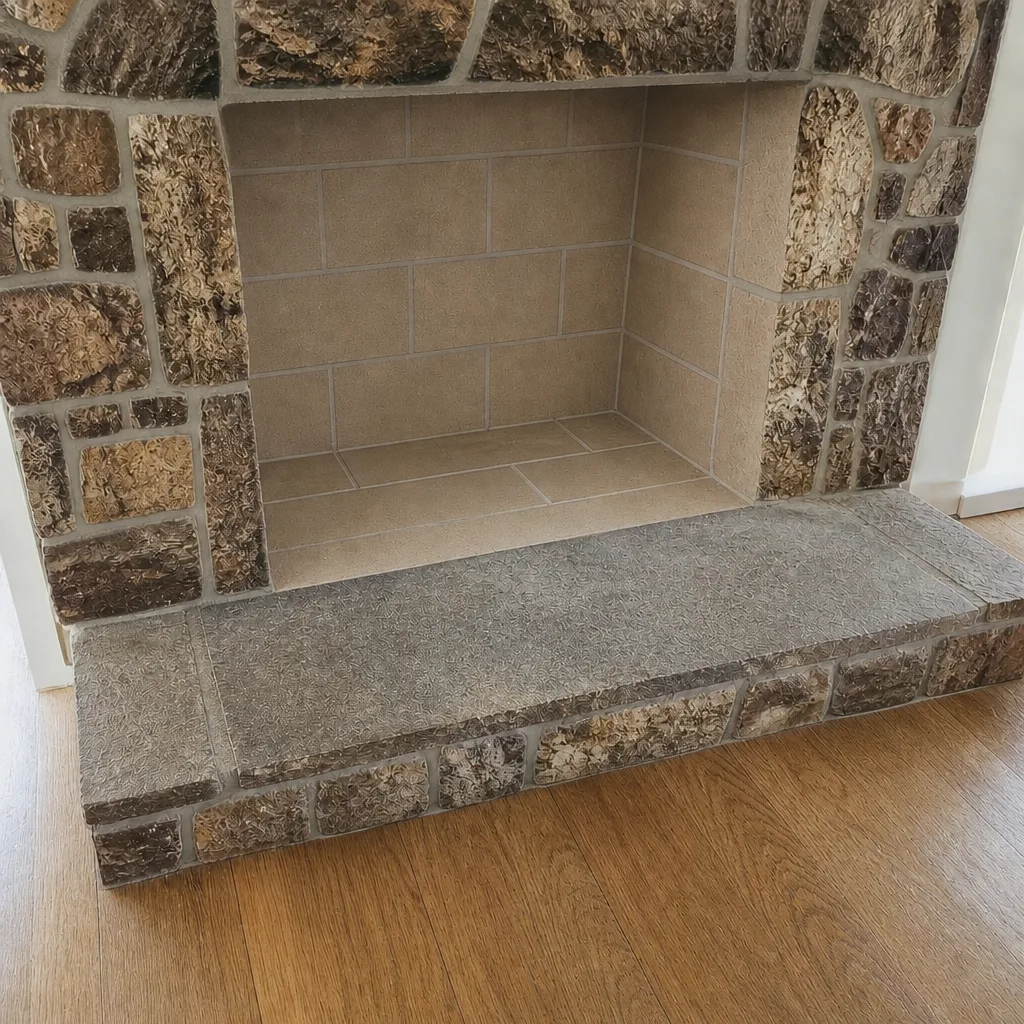
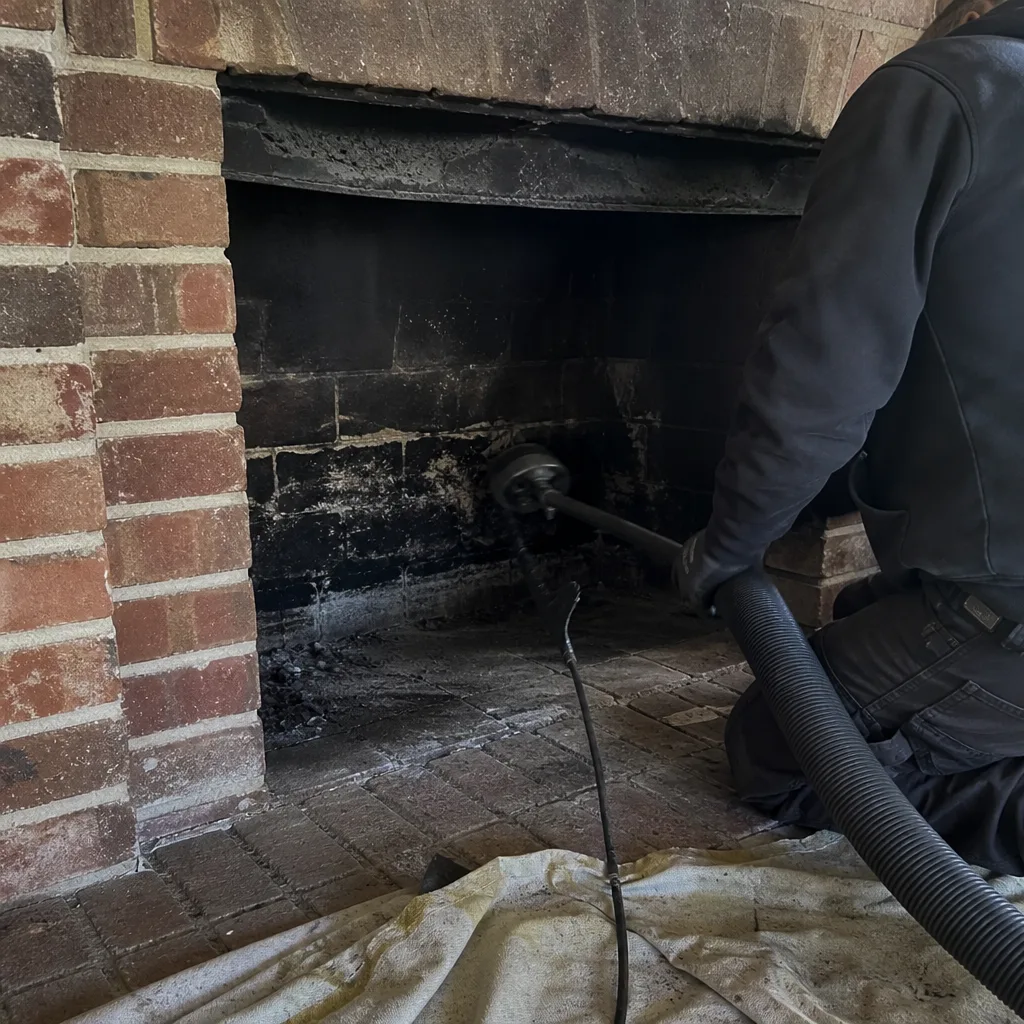
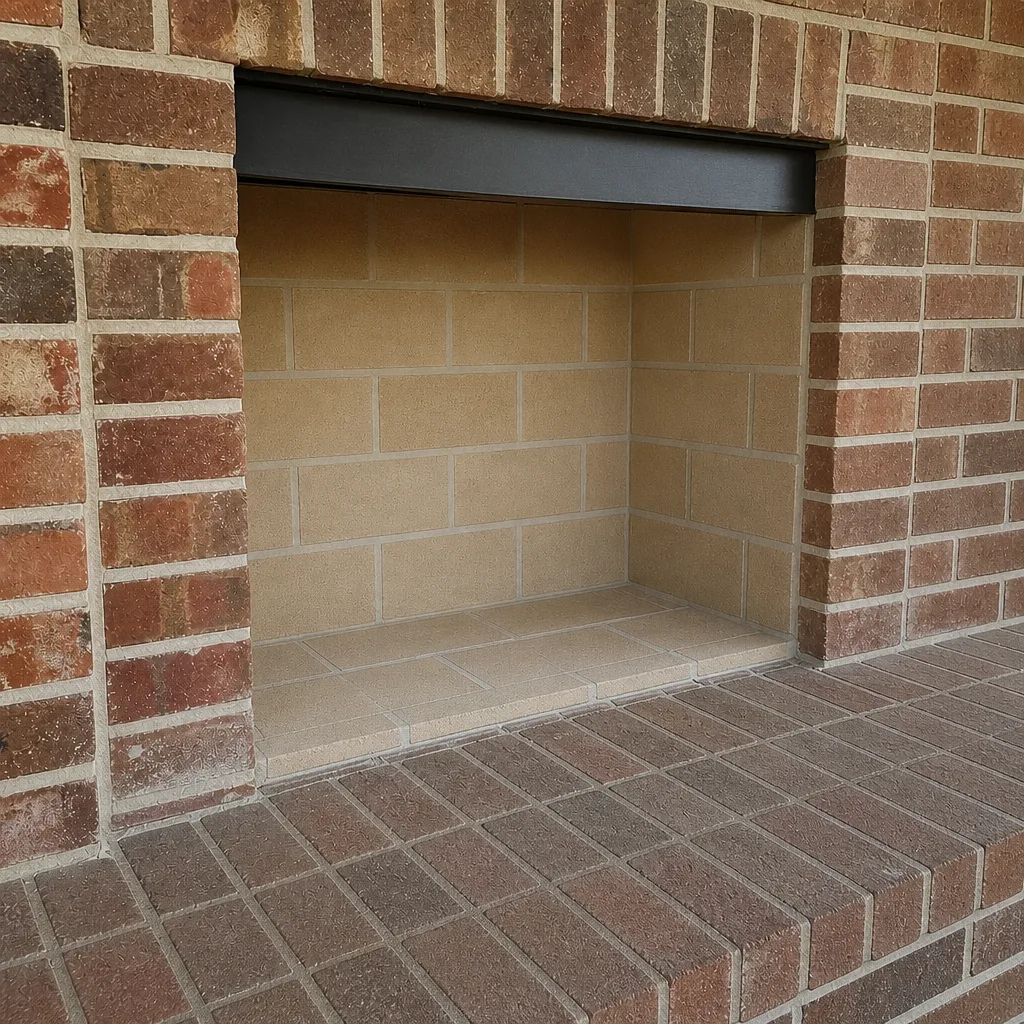
See the difference
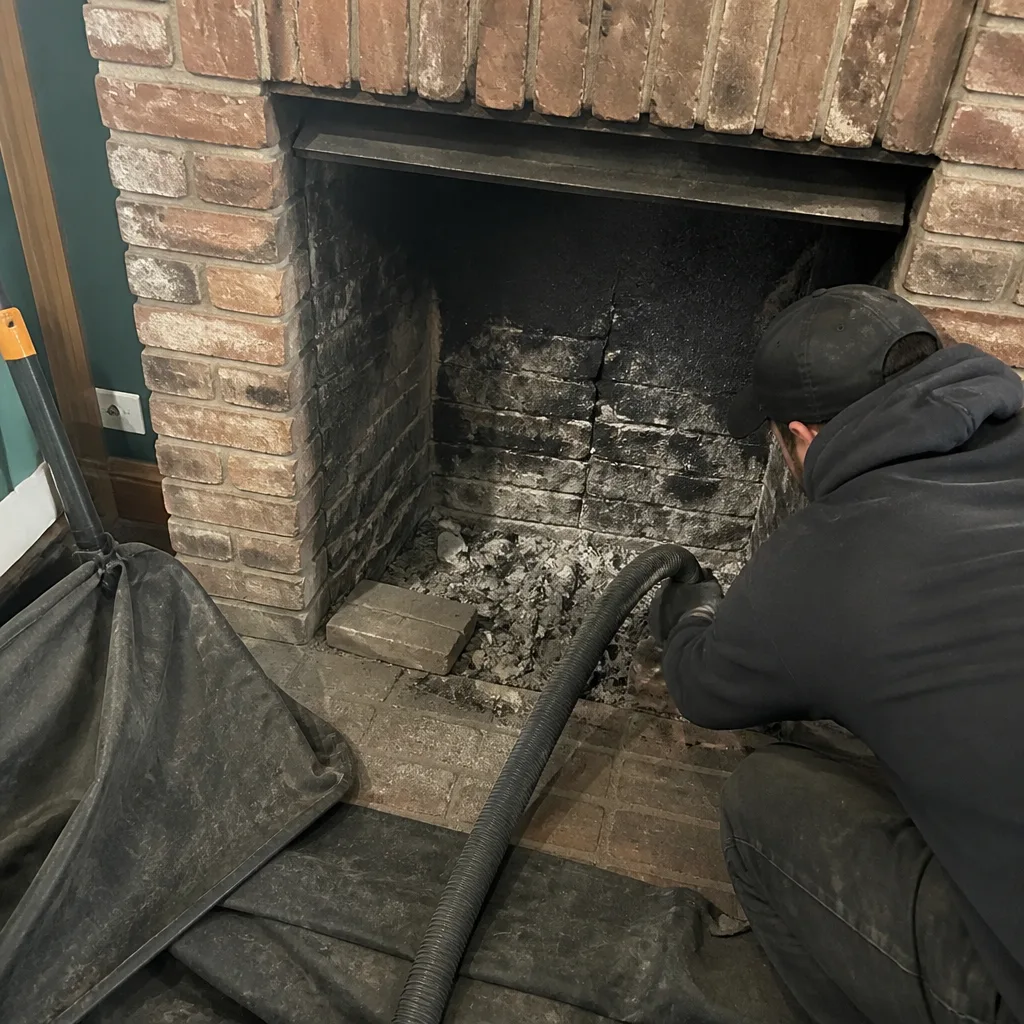 Before
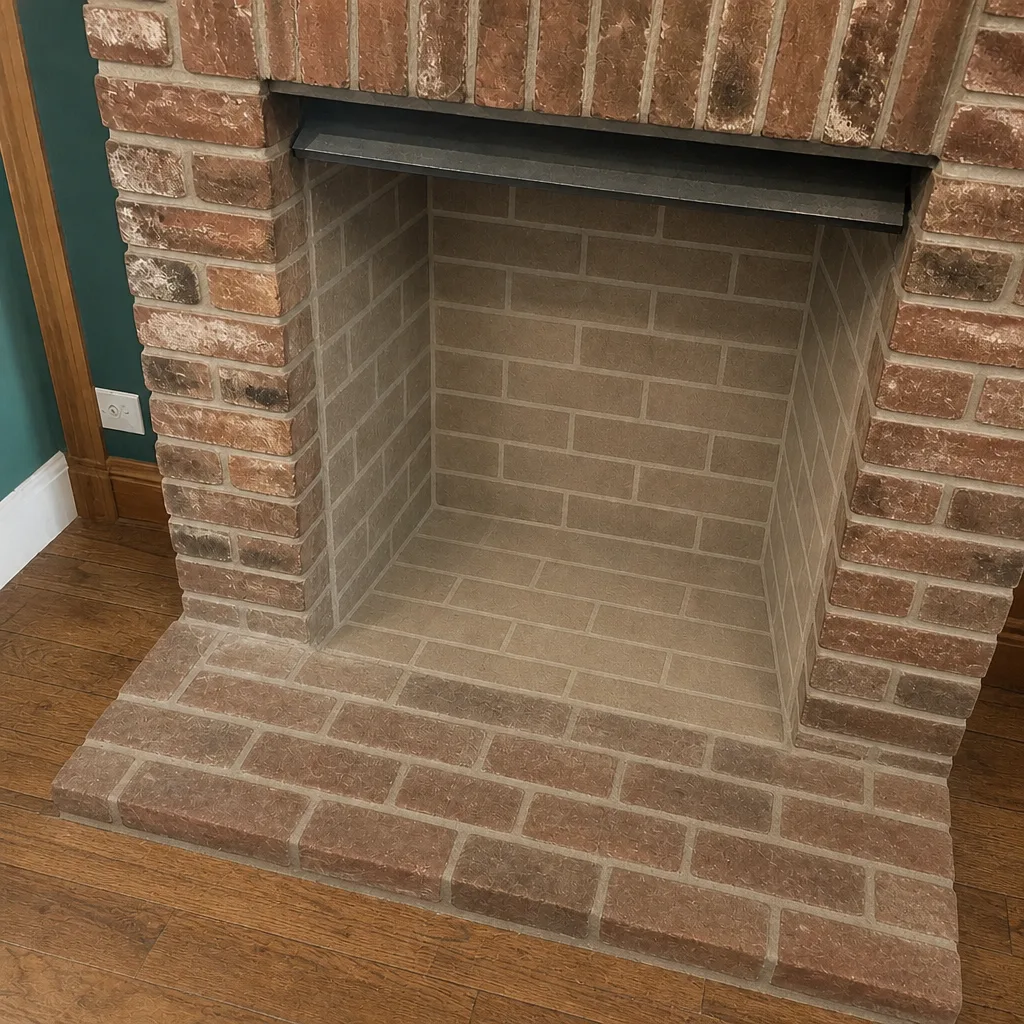 After
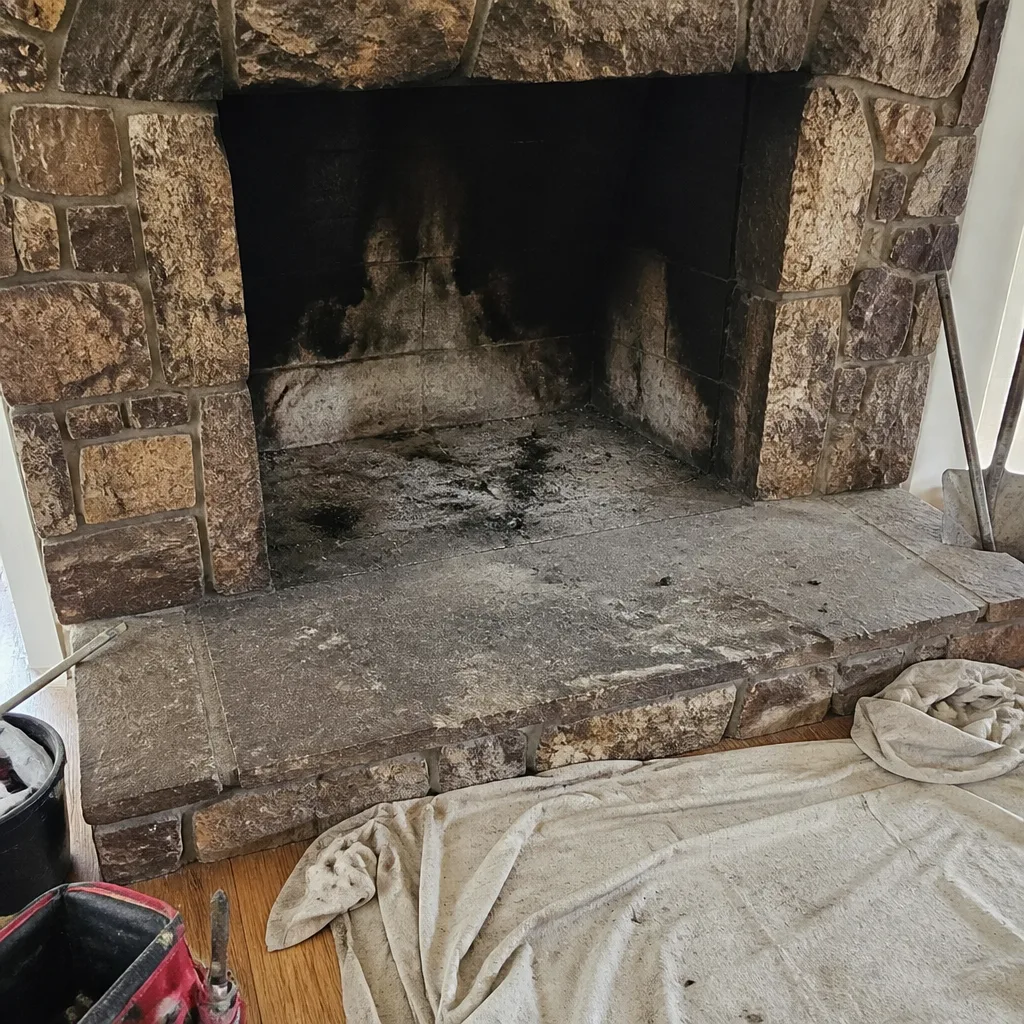 Before
 After
 Before
 After
Common Mistakes to Avoid
- Skipping a permit on a relining job to save time. Relining is the permit-triggering job people try to skip most often, and it’s the one that can void a fire-related insurance claim. If the work fails an inspection that never happened, the insurer can treat the chimney as unpermitted construction.
- Assuming a licensed contractor means a permitted job. In Salt Lake City, licensing and permitting are separate. A contractor can be fully licensed and still choose not to pull a permit. Verify the permit exists before the work starts.
- Not checking permit status before closing on a home. Buyers in the Avenues and Sugar House routinely inherit unpermitted chimney work from a prior owner without knowing it. Search the permit portal by address before closing, not after.
- Treating a Level 1 inspection as sufficient for an insurance letter. Some insurers accept a Level 1 report. Many do not, especially after a claim. Ask before the inspection is scheduled which level the insurer wants, so the report you pay for is the one they’ll accept.
- Waiting until the first snow to schedule inspection and permit work. The permit office and inspection calendar are busiest when every homeowner in the valley is thinking about their chimney at once. Book before burning season.
- Assuming HeatShield resurfacing is always exempt from permits. HeatShield flue resurfacing is a structural repair and permit requirements vary by how it’s scoped. Ask the permit office directly when it’s proposed.
- Not keeping the inspection report and permit documentation. When you sell, the buyer’s agent will ask. A cell phone photo of the finaled permit plus the Level 2 report answers in one email what could otherwise take weeks to reconstruct.
When to Call a Professional
Call in a professional when the work involves anything beyond a basic sweep and inspection, when the chimney is showing signs of water intrusion or masonry distress, or when you’re buying or selling a home and need documentation. Also call in a professional when a contractor wants to skip a permit on relining or structural repair – that’s the moment to get a second opinion. Salt Lake City Chimney Sweep Co offers free estimates in Salt Lake City – call (866) 947-8813. We answer 24/7, and dispatch runs 7am to 7pm, Sunday through Friday. Our technicians have up to 13 years of experience, and we work exclusively on chimneys and fireplaces: inspection, sweep, structural repair and chimney cap & crown replacement. The written estimate sets the final price.
Frequently Asked Questions
No. A routine chimney sweep is maintenance and doesn’t require a building permit in Salt Lake City. Permits come into play when the work changes the structure or function of the chimney – relining, crown replacement, masonry repair. Call (866) 947-8813 for an exact quote on your sweep; estimates are free.
Yes, in most cases. Flue relining is a structural modification to the chimney system and typically requires a permit through Salt Lake City’s building services department, with a rough-in and final inspection. Skipping the permit can create an insurance and resale problem even when the liner installation itself was done correctly. Call (866) 947-8813 to talk through your specific relining scope before scheduling.
A CSIA Level 2 inspection is a documented, camera-assisted evaluation of the entire chimney system plus a written report with photos, and it’s the standard most Salt Lake City insurers and buyers’ agents will ask for. You need one when you’re buying or selling a home, after a chimney fire, or when your insurer requests documentation. Call (866) 947-8813 to schedule one; estimates are free.
Search Salt Lake City’s building services permit portal by property address and look for permits related to chimney, flue, masonry or fireplace work; a closed or finaled permit is what you want. If nothing shows and you believe a permit was required, ask the contractor for the permit number in writing. If the status is open, call the permit office to ask what’s needed to close it. Call (866) 947-8813 if you’d like us to look over the documentation with you.
It can. Insurers have denied chimney-related claims where the underlying work was unpermitted, particularly after a fire, because the unpermitted modification complicates the causation question. Whether a specific policy responds depends on the policy language, so read yours or ask your agent directly. Call (866) 947-8813 if you want a second opinion on whether existing chimney work looks like it was permitted correctly.
Usually no, when it’s a like-for-like cap replacement on an existing flue. Cap installation on an uncapped flue is also typically exempt, though the answer depends on whether the flue top is altered. Crown rebuilds that involve removing masonry usually do need a permit. Call (866) 947-8813 with the scope and we’ll tell you which category your specific job falls into.
The Bottom Line
The permit question comes down to what the work actually changes. Routine sweeps and inspections in Salt Lake City don’t require permits. Relining, structural repair, crown rebuilds and some cap work do, and the trailing documentation – the finaled permit plus the Level 2 inspection report – is what protects you at resale and at claim time. Utah’s IRC adoption governs liner specs, clearances and cap requirements, which is why a permitted job with professional-grade materials (DuraFlex, Olympia Chimney, Copperfield, Famco) and a documented final inspection is worth the extra step.
We’re a chimney-only specialist. Every job we take on is a chimney job, and we work from inspection through repair without handing you off. If you’re not sure which category your job falls into, call us before you schedule. We’ll tell you what a permit timeline looks like for your scope.
Call (866) 947-8813 for a free estimate. We answer 24/7. Fast dispatch from 7am to 7pm, Sunday through Friday. Written estimates set the final price. We can work with your insurer, and the local pro we connect you with is licensed and insured as their state requires.
Written by the team at Salt Lake City Chimney Sweep Co.