
Last updated November 25, 2026
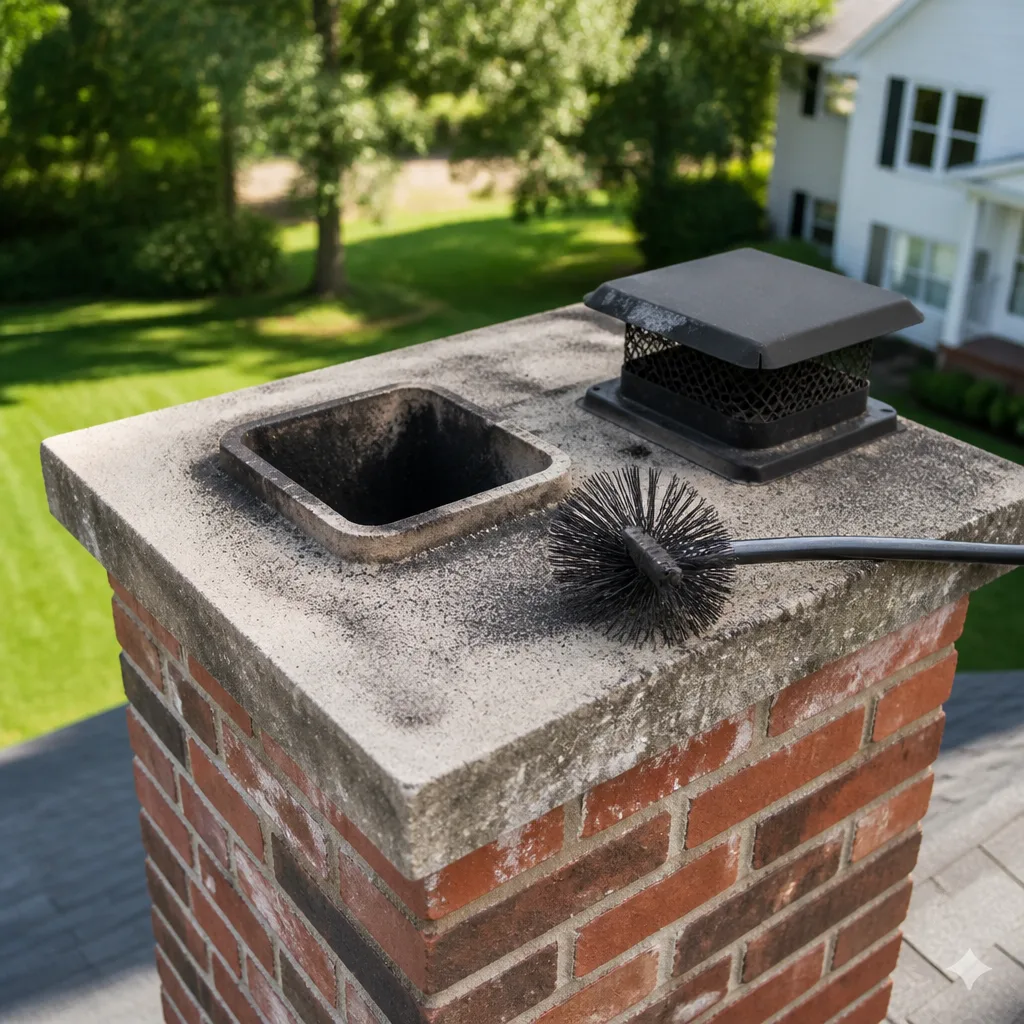 Sweep & inspection
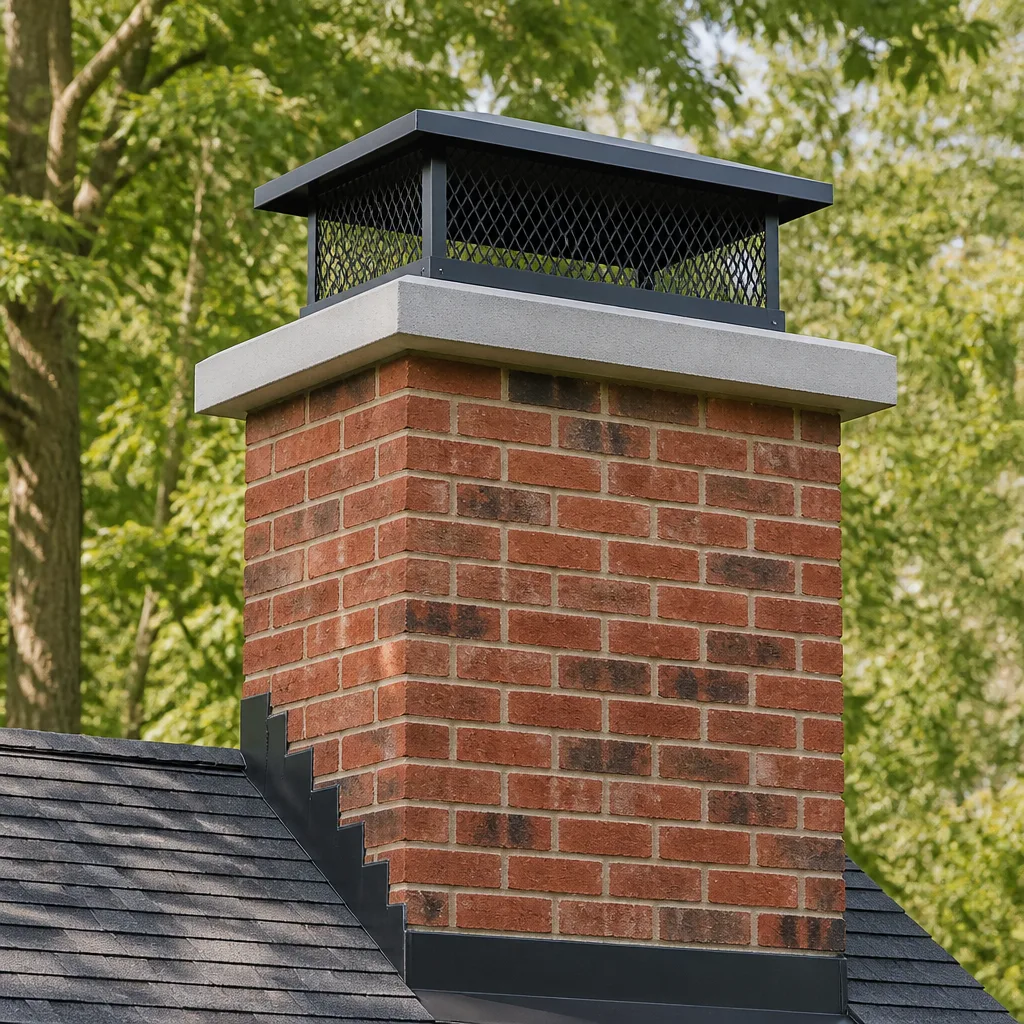 Caps & crowns
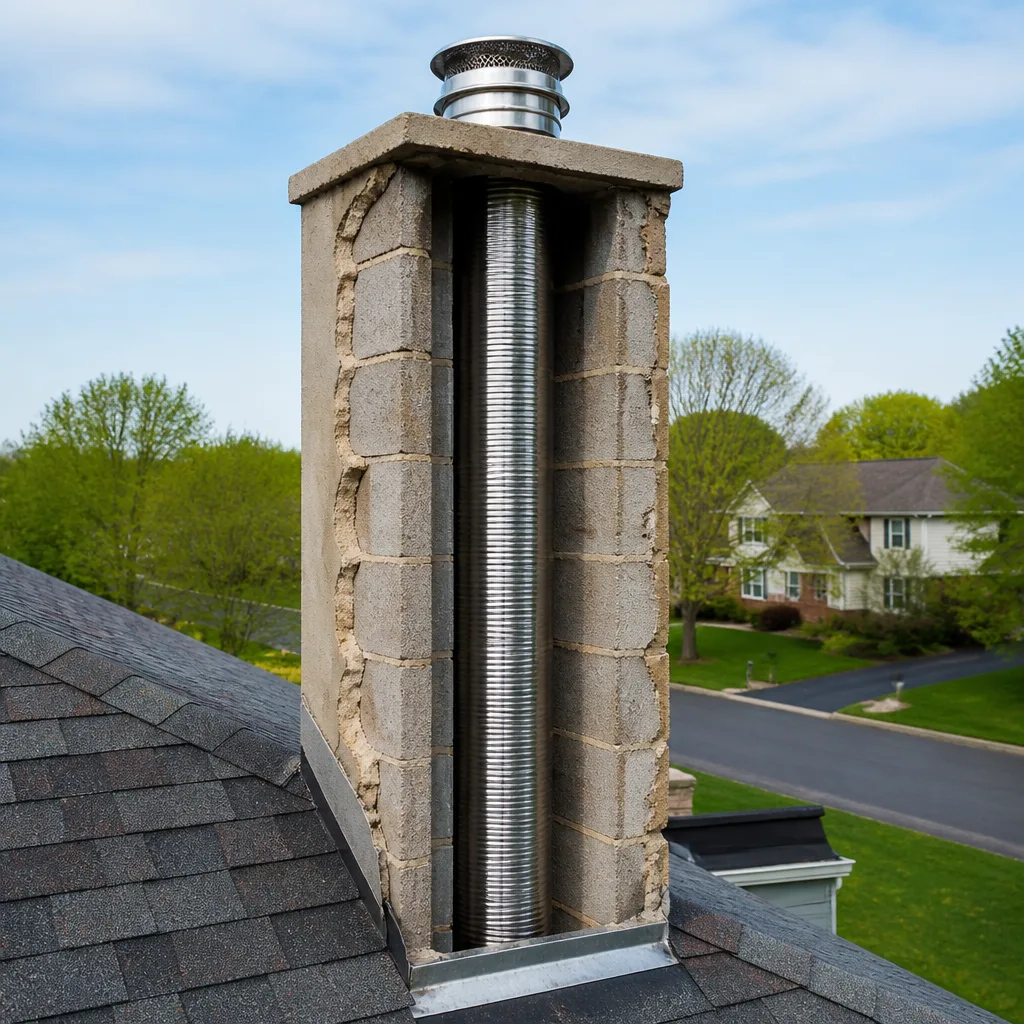 Flue relining
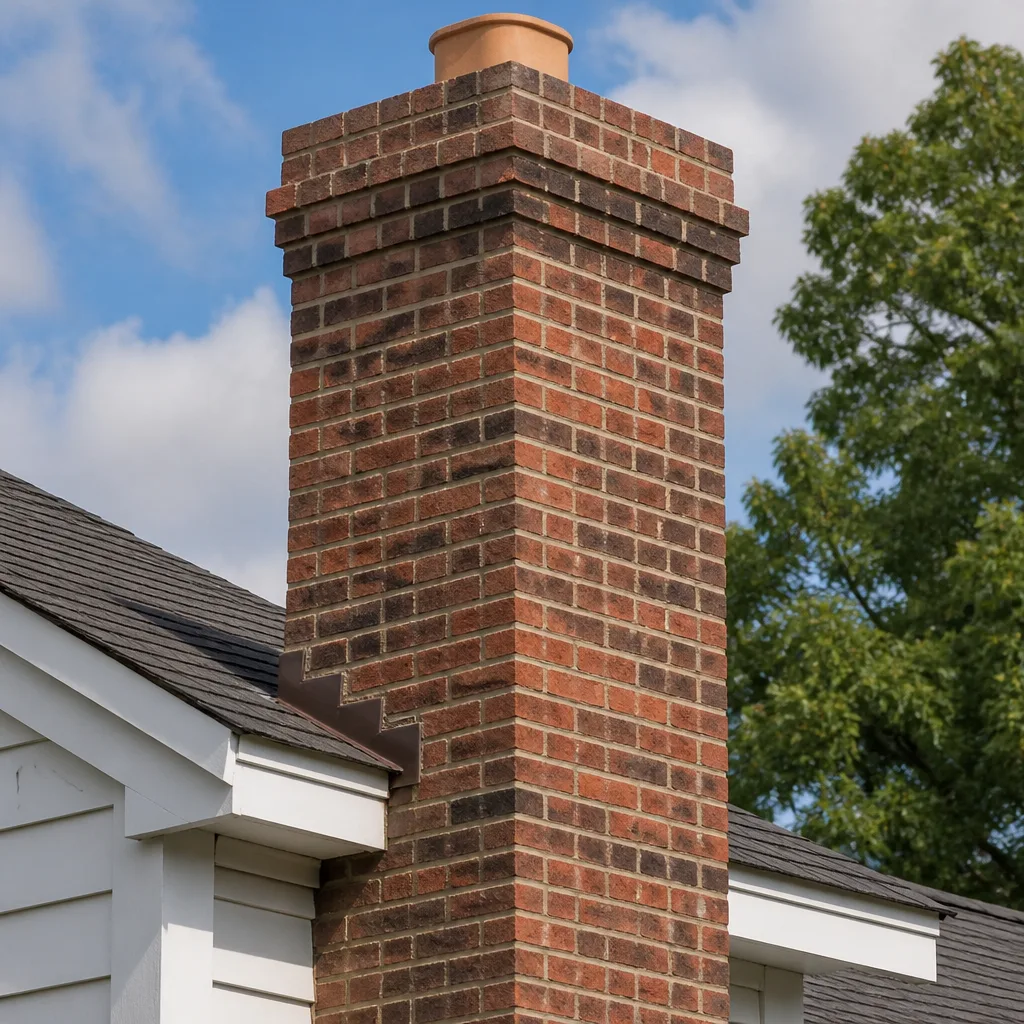 Masonry repair
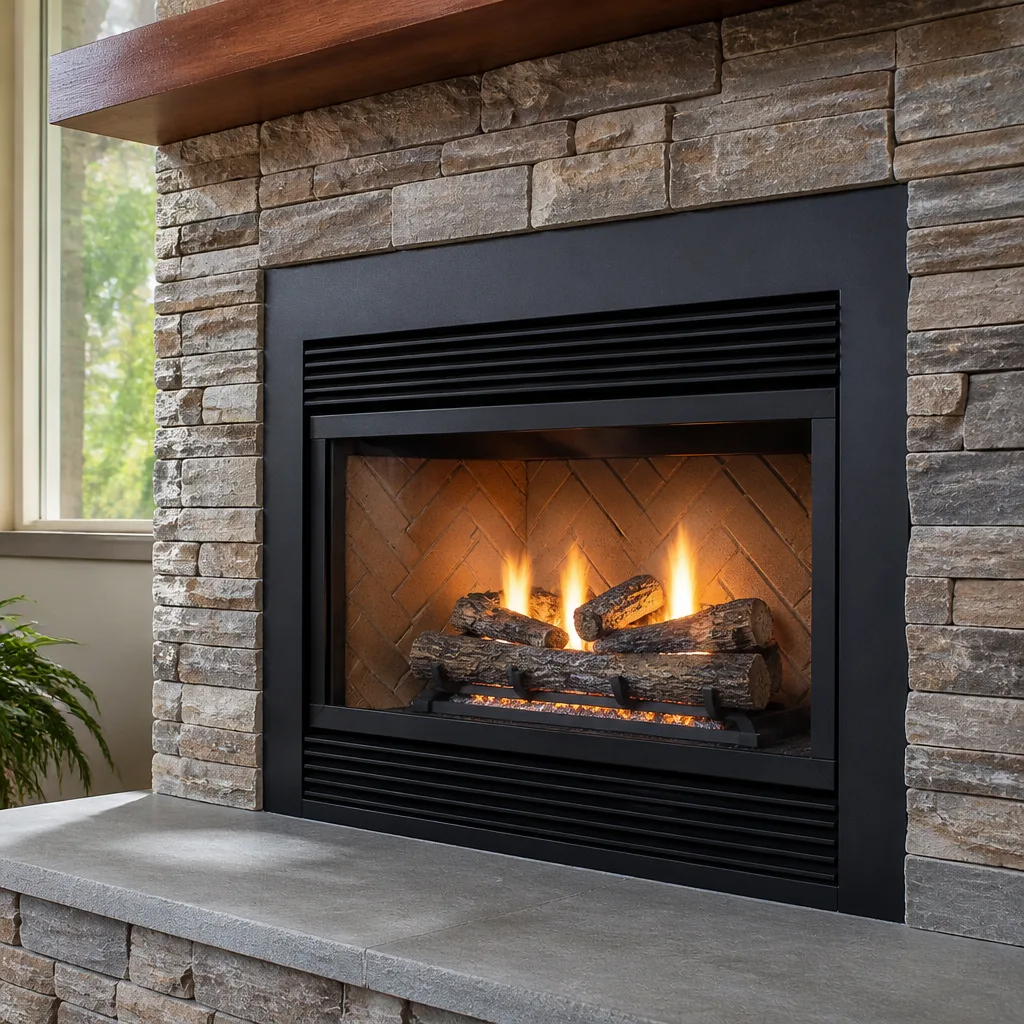 Gas fireplace service
Level 1 sweep and inspection to the NFPA 211 annual standard - flue, crown, cap, and flashing checked and photographed
Chimney sweep logs do not sweep chimneys. They loosen some creosote - which then falls where a brush and vacuum still have to collect it.
Choosing the Right Chimney Cleaning Brand: A Buyer’s Guide for Salt Lake City
Two chimney crowns sealed on the same day can look identical for the first six months. Then the Wasatch freeze-thaw cycle starts its work, and the difference shows. The crown sealed with a professional elastomeric product rated for repeated freezing and thawing will outlast the hardware-store caulk version by roughly eight to ten years, weathering crack after crack while the cheaper material shrinks and pulls away from the masonry. That gap is invisible on day one. It’s the whole story by year three. In this guide we walk through the product categories where brand choice has real consequences in Salt Lake City: flue liners, crown coatings, waterproofing sealants, and chimney caps. You’ll learn what trade-grade brands actually offer, how to ask a contractor what they use, why alloy grade and steel gauge matter at this elevation, and how to walk away with real warranty documentation.
Quick Answer
The right chimney cleaning brand is the one that specifies professional-grade materials from recognized trade suppliers rather than hardware-store substitutes. For a Salt Lake City chimney, that means flue liners from a name like DuraFlex or Olympia Chimney, crown coatings and resurfacing systems like HeatShield, and caps built from stainless steel with a gauge suited to snow load and freeze-thaw. The brand behind the material determines how long the repair lasts and what warranty actually backs it.
Styles & brands we work with
- Sweep & inspection
- Caps & crowns
- Flue relining
- Masonry repair
- Gas fireplace service
Table of Contents
- Why the Brand Behind the Chimney Cleaning Matters
- The Four Product Categories Where Brand Choice Shows
- What Trade-Grade Suppliers Offer That Big-Box Products Don’t
- How to Ask a Contractor What Brands They Use
- Why Steel Gauge and Alloy Grade Matter in Utah
- The Warranty Question: What’s Covered and What Voids It
- How to Get Documentation After Installation
- Common Mistakes to Avoid
- When to Call a Professional
- Frequently Asked Questions
Why the Brand Behind the Chimney Cleaning Matters
Most homeowners shop for a chimney professional the way they’d shop for a plumber: they call a few numbers, compare the price of a sweep, and book the one who can come soonest. That works fine if all you need is soot removed. It stops working the moment the inspection turns up something structural, because from that point forward you’re not really buying labor. You’re buying the materials the technician chooses and the judgment behind that choice.
Think about what actually lives inside your chimney after a repair. A flue liner is a pipe that carries combustion gases and has to survive decades of heat cycling, condensation, and the seasonal expansion and contraction of the masonry around it. A crown is a concrete or coating surface that sheds water off the top of the stack every time it rains or snow melts. A cap is a metal lid that takes the brunt of weather. Each of those is a product, made by somebody, to a specification. The specification is what you’re trusting when you sign the estimate.
We’ve seen the gap play out in Salt Lake City more than once. A flue gets relined with a cheap flexible liner that meets code on paper, and two winters later the homeowner is calling again because the joints have opened up under the temperature swings along the Wasatch Front. A crown gets patched with generic masonry caulk, and by the second spring the seal has failed. The repair wasn’t cheap the first time. It just wasn’t built to last.
That’s why brand matters. Not because a logo on a box makes a chimney safer, but because the companies that supply the chimney trade build products to a standard the retail shelf doesn’t ask for. The Salt Lake City Chimney Sweep Co works with professional-tier brands for exactly that reason. It’s the difference between a repair that holds and one you’ll be paying for twice.
The Four Product Categories Where Brand Choice Shows
Not every part of a chimney job carries the same material risk. Sweeping itself is mostly technique and tooling. The place where brand choice has measurable impact lives in four categories: flue liners, crown coatings, waterproofing sealants, and chimney caps. Here’s how each one works and why the manufacturer matters.
Flue Liners
The liner is the pipe inside your chimney that carries smoke and gases to the outside. When it fails, it’s usually replaced with either a stainless steel flexible liner or, when the existing clay tiles are still sound enough, a resurfacing system that coats and restores them. Flexible stainless liners from a brand like DuraFlex or Olympia Chimney are built to a specific alloy grade and wall thickness, and those two specs drive how the liner handles heat and corrosive flue gases over time. A cheap liner may look identical installed. It’s the alloy and thickness that determine whether it survives the next twenty winters.
Crown Coatings
The crown is the concrete cap at the very top of the chimney that sheds water away from the stack. A cracked or missing crown is one of the most common pathways for water to get into the masonry. A coating product like HeatShield’s crown repair system is formulated to bond to concrete and flex with the freeze-thaw cycle instead of cracking. A generic masonry patcher doesn’t flex the same way.
Waterproofing Sealants
Masonry waterproofing is a coating applied to the outside of the chimney to keep water out while letting the masonry breathe. Vapor-permeable elastomeric sealants are the trade standard. Big-box silicone sprays can trap moisture or fail within a season. The wrong sealer can actually accelerate spalling by sealing moisture inside.
Chimney Caps
The cap is the piece of metal at the very top of the chimney that keeps rain, snow, animals, and debris out of the flue. Stainless steel is the only material that makes sense for a long-term cap in this climate. Galvanized steel can corrode within a few seasons in a chimney’s acidic flue environment. The gauge of the steel and the alloy grade are the two specs worth asking about.
These four categories are where trade-grade suppliers like HeatShield, Gelco, Olympia Chimney, and Famco have built their business. They sell to the trade, not the shelf. That’s the point. If your chimney repair involves a liner, crown, seal, or cap, you’re making a material decision whether or not you realize it.
What Trade-Grade Suppliers Offer That Big-Box Products Don’t
If a flexible stainless liner and a hardware-store corrugated pipe can both technically pass the same test, why does brand matter? Because they don’t pass the same test, and even when they do, they don’t age the same way. Here’s what the professional-tier suppliers actually provide that a retail alternative doesn’t, explained in plain terms.
- Specification transparency. Trade suppliers publish alloy grades, wall thicknesses, temperature ratings, and adhesive specifications in technical data sheets. Retail products often list only a marketing claim. You can hold a professional-tier material to a written standard because the manufacturer publishes the standard.
- Designed for the flue environment. Chimney flues are hostile. Combustion gases contain acids, moisture, and heat cycles that stress material differently than ordinary plumbing or roofing. Trade brands build to that environment. Retail products are often adapted from another use.
- Warranty backed by the manufacturer. Professional-grade products typically carry written warranties tied to specific applications. A retail caulk might carry a limited warranty at best, and often one that voids if applied outside the intended use.
- Adhesive and system compatibility. Crown coatings and liner adhesives have to bond to the substrate they’re applied to. Suppliers design their systems to work together, so the coating holds to the primer, which holds to the masonry. Mixing materials from different supply chains is where failures often start.
- Technician training and support. Trade suppliers support the contractors who install their products, with installation guidance and technical support. That support is part of the material’s reliability in the field.
HeatShield is a good example. The system resurfaces failing flue tiles from the inside, sealing the joints and smoothing the passage, which is a real alternative to full relining in the right circumstances. It’s a specific, formulated system rather than a generic cement product, and it’s one of the reasons a specialist can offer more options than a generalist can. A HeatShield-equipped shop can save homeowners the cost and disruption of a full reline when the underlying flue is still structurally sound. Hardware-store products can’t do that, because they weren’t built to.
This is also why we keep the material choices in the trade. Famco caps, Olympia Chimney components, Gelco liner systems, and Copperfield products are the names the specialists reach for because they solve specific problems the retail shelf doesn’t address. When you hire a chimney professional in Salt Lake City, the brand question is really a question about how seriously they take the material side of their work.
How to Ask a Contractor What Brands They Use
You don’t have to be an expert in liner alloys to tell whether a contractor takes materials seriously. You just have to ask the right questions and listen carefully. Here’s a short script you can use during the estimate conversation, followed by what a good answer and a bad answer actually sound like.
- “What brand of liner do you use, and what alloy grade?” A confident contractor names the brand without hesitating and can say the grade, usually 316L or 304 stainless depending on the application. A vague answer like “a good stainless one” is a signal.
- “What product do you use for crown coating, and what’s the manufacturer’s rating?” Trade-grade crown coatings have a name, a data sheet, and a warranty. Hardware-store patch materials don’t hold up to the same scrutiny.
- “What gauge stainless do you use for chimney caps?” Most specialists can name the gauge without looking it up. If they can’t, they’re either buying on price or they don’t know.
- “Do you provide the manufacturer’s product literature and warranty card after the job?” Any legitimate trade-grade installation includes documentation handed to the homeowner. If they can’t describe what that looks like, ask why.
- “What’s your process if a manufacturer warranty claim is ever needed?” A professional knows the claim process. A generalist has probably never filed one.
- “Have you received any manufacturer-specific training on these products?” HeatShield, for example, supports trained installers. The answer tells you whether they’ve been through the manufacturer’s program or just bought a product.
What an Evasive Answer Signals
Evasive answers come in a few flavors. “Whatever’s available at the supply house” means the material choice is being made on availability and price, not on fit. “It’s all the same stuff” means they’ve never had to think about alloy grade or wall thickness, which suggests they’ve never filed a warranty claim on a failed one. “We use the best” means nothing at all. The trade is specific. An experienced specialist can name the products they use without hesitation, because they use the same ones every day.
What a Confident Answer Sounds Like
A confident answer names a product, names a specification, and connects the choice to your specific situation. “We’d normally use DuraFlex 316L in this application because of the gas appliance, and we’ll use a HeatShield crown repair on the top course because it’s flexible enough to handle the freeze-thaw we get up on the east bench.” That’s a working answer. It tells you the material, the reason, and the climate it’s built to handle.
If you’d like to see how this works in practice, we can walk you through the products we use on a chimney sweep and inspection visit, and the same conversation applies to any repair that comes up.
Why Steel Gauge and Alloy Grade Matter in Utah
Salt Lake City sits in a valley at roughly 4,300 feet with mountain ranges on both sides, and that geography sets up the conditions your chimney has to survive. The specifics vary year to year and from neighborhood to neighborhood, but the pattern is consistent: repeated freeze-thaw cycles through the winter and spring, dry summers with strong sun, and elevation that stresses materials differently than a sea-level market would. These conditions make specific material choices more important here than most homeowners expect.
Freeze-Thaw Cycling
When water gets into masonry, a crown, or a joint, and then freezes, it expands. When it thaws, it contracts. That cycle repeats many times across a single winter in Salt Lake City, and every repetition opens a crack a little further. This is why flexible products matter so much here. A crown coating that can flex with the masonry instead of cracking under it is built for this climate. A rigid patcher is not. The same logic applies to sealants and joint materials.
Elevation and Heat
At higher elevation, air is thinner and combustion behaves differently. Wood burns with a different heat signature than at sea level, and chimney systems that were sized or rated for lower elevation can run hotter than their ratings assume. The alloy grade of a stainless liner is what determines how it handles heat cycling. A liner rated for the temperatures it actually sees in a Utah application is a different product from one that isn’t.
Snow Load and Cap Gauge
A chimney cap has to hold up to snow accumulation on the roof and to wind on the exposed stack, especially on homes at higher elevation along the east bench or the foothills. A thin-gauge cap can deform under snow load. A heavier-gauge cap holds its shape. The thickness of the stainless is the difference, and it’s a difference you can specify when you’re choosing a contractor.
Alloy Grade in Plain Terms
The two alloy grades that appear most often in chimney liners are 304 and 316L stainless. 316L contains molybdenum, which gives it more resistance to the corrosive acids found in flue gases, and it’s typically specified when a wood stove, gas appliance, or oil appliance produces a more aggressive flue environment. 304 stainless handles general wood-burning applications well. The right choice depends on what’s being vented. A contractor who can’t tell you which grade they’re using and why is likely buying on price.
The Warranty Question: What’s Covered and What Voids It
Product warranties on chimney materials are only useful if you know what they cover and what makes them void. The gap between what homeowners assume is covered and what the manufacturer actually backs is where a lot of frustration lives after a repair. Here’s the shape of it.
What Legitimate Product Warranties Usually Cover
- Manufacturer defects in the material itself, such as pinholes in a liner or a failed adhesive bond
- Premature failure under the conditions the product was rated for
- Specific performance claims the manufacturer published, such as a rated temperature or flexibility
- Replacement of the defective material or product
What Typically Voids a Warranty
- Installation outside the manufacturer’s specifications, including the wrong substrate or the wrong application
- Use of a mismatched component in a system, such as a liner from one manufacturer mated to a component from another
- Damage caused by a chimney fire, a foreign object, or mechanical abrasion
- Failure to follow the manufacturer’s inspection or maintenance requirements
- Improper sizing for the appliance the liner is connected to
Why the Installation Matters as Much as the Product
A warranty on a liner that was installed correctly will cover a material defect. It won’t cover an installation problem, and an installation problem is far more common than a material failure. That’s why the trade places so much emphasis on installation training and manufacturer-supported systems. A professional-grade product installed by a trained technician is the only combination where the warranty is likely to actually apply when it’s needed.
Read the Paperwork Before You Sign
Ask to see the warranty terms before the job begins, not after. If the contractor can’t produce them, the warranty may not be transferable to you as the homeowner, which means the manufacturer technically backs the installer, not your chimney. That’s a normal arrangement for some products, but you should know the shape of it going in.
How to Get Documentation After Installation
The best time to lock in your documentation is before the invoice is settled, not a year later when something goes wrong. A professional-grade installation should always come with a paper trail. Here’s the process we recommend to any homeowner, and one we follow ourselves.
- Ask up front what documentation you’ll receive. Before work begins, confirm the manufacturer’s product literature, installation specification, and warranty card will be handed to you at completion. That way there’s no surprise later.
- Photograph the work in progress. A camera inspection of the flue is part of a proper chimney cap & crown or liner installation, and you should see the photos. The same camera record of the flue before and after installation is the strongest documentation you’ll have twenty years from now.
- Keep the manufacturer’s product data sheet. Even a single page listing the product, alloy grade, and application is worth the file. If a warranty claim is ever needed, that sheet is what supports it.
- File the warranty card with your home records. If the manufacturer has a registration process, use it. It creates a paper trail that follows the material, not the contractor.
- Keep the invoice and the inspection report together. The invoice shows what was installed and when. The inspection report shows the condition of the chimney at the time. Together they establish a baseline for future work.
- Note the installation date and product on your future inspection report. When you have a subsequent chimney sweep, tell the technician what was installed and roughly when. It helps them interpret what they’re seeing in the flue.
What a Complete Package Looks Like
When we complete a liner, crown, or cap installation for a Salt Lake City homeowner, the outgoing package typically includes the manufacturer’s product literature, the warranty terms and how to register, before-and-after photos from the camera inspection, the inspection report, and the invoice. If any of that is missing from the job you’re considering, ask for it. A professional-grade installation is a documented installation.
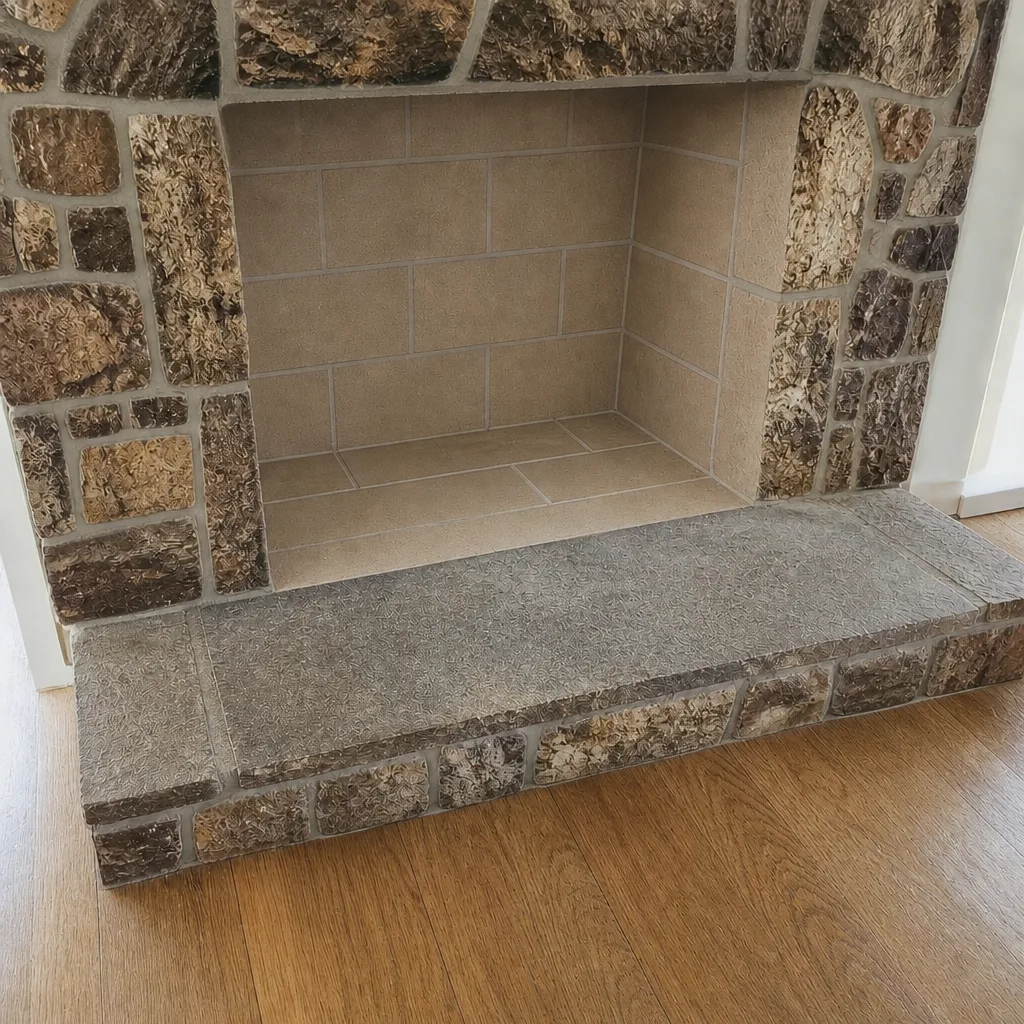
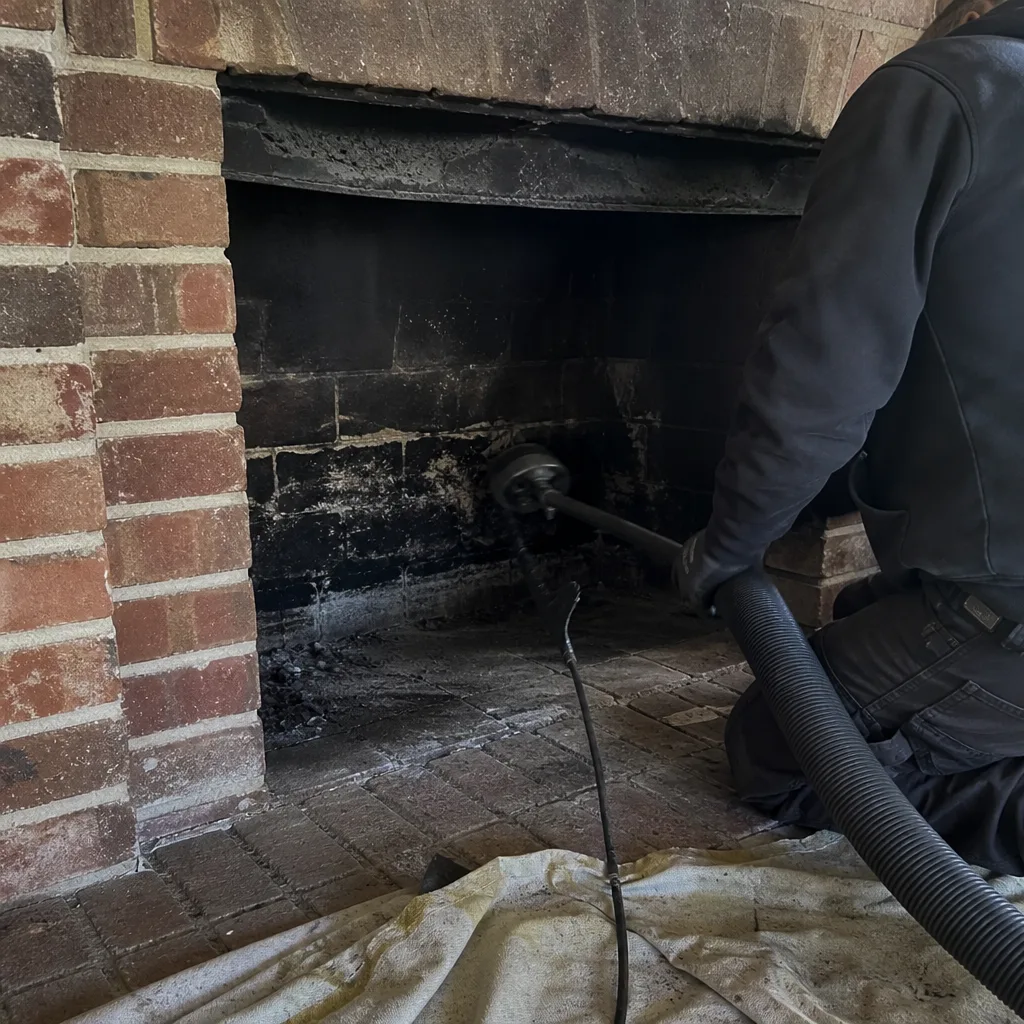
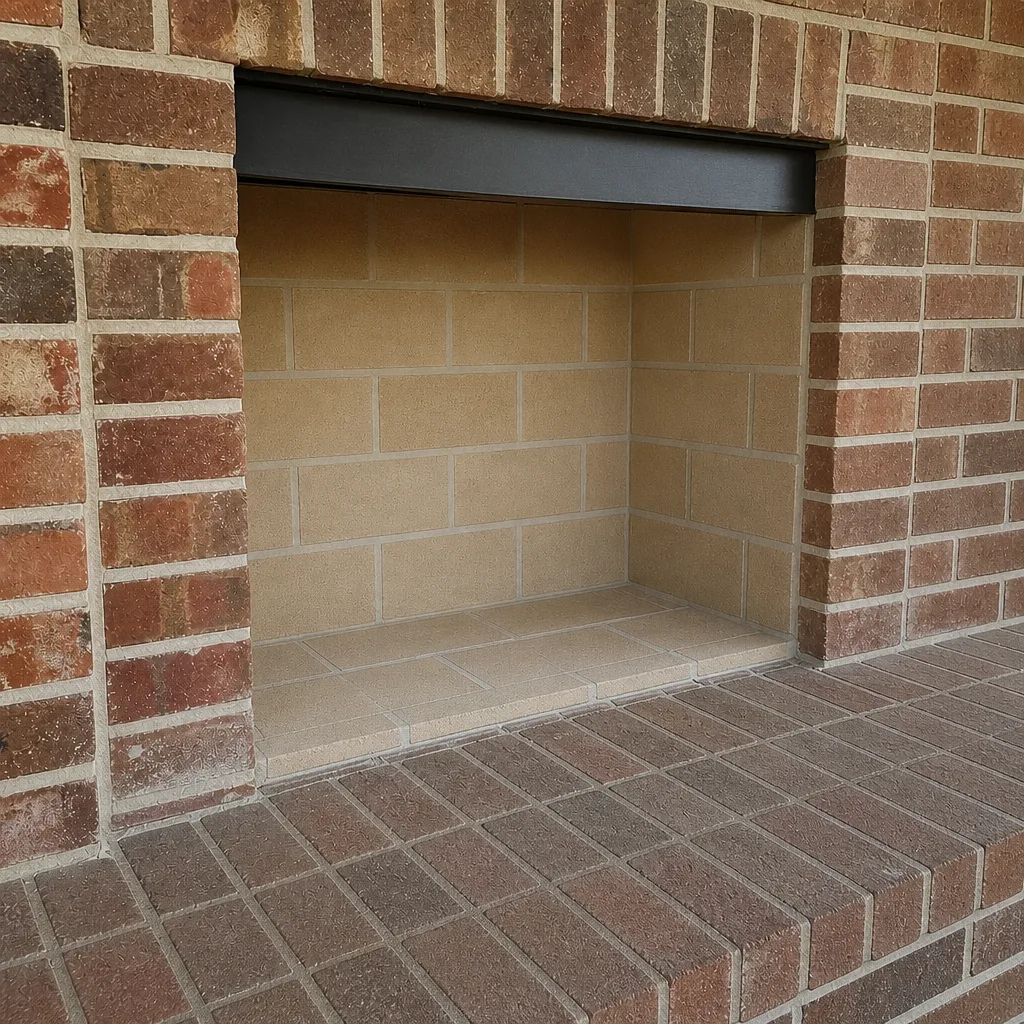
See the difference
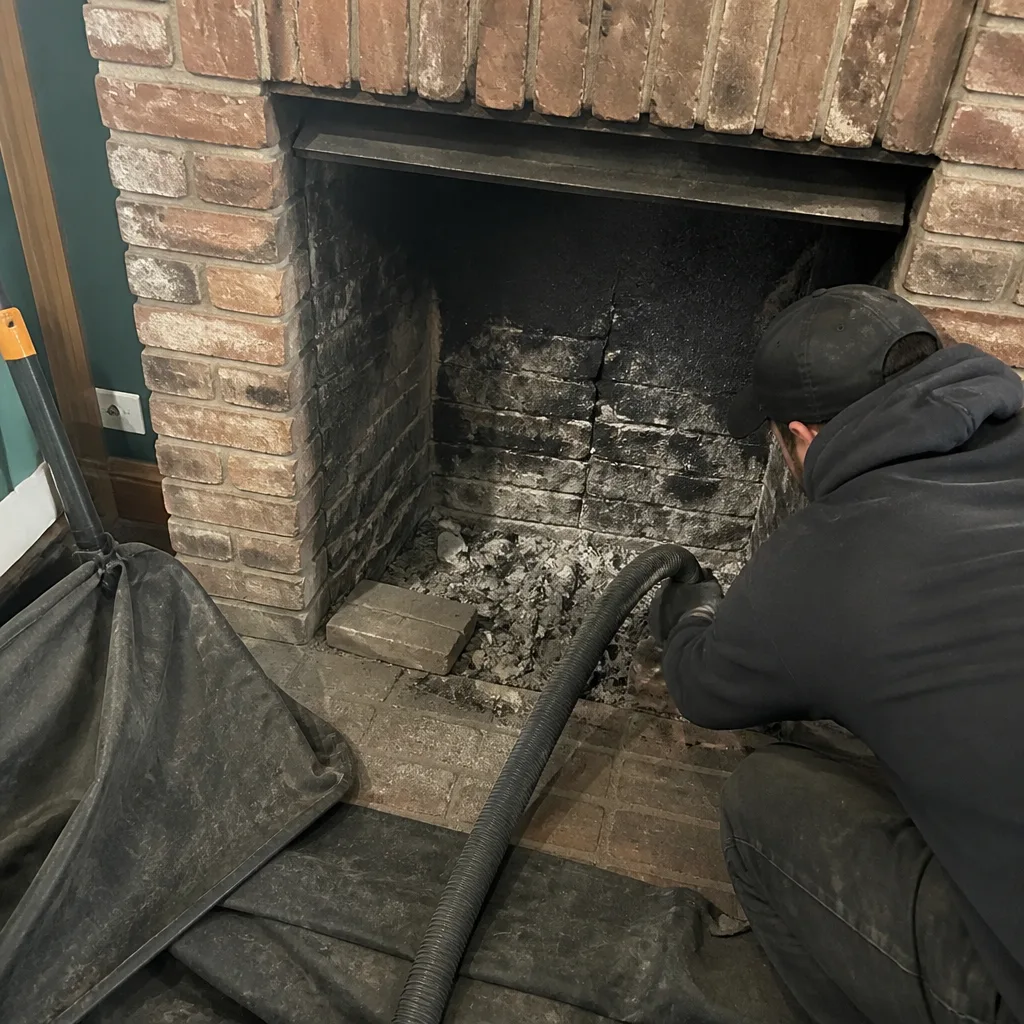 Before
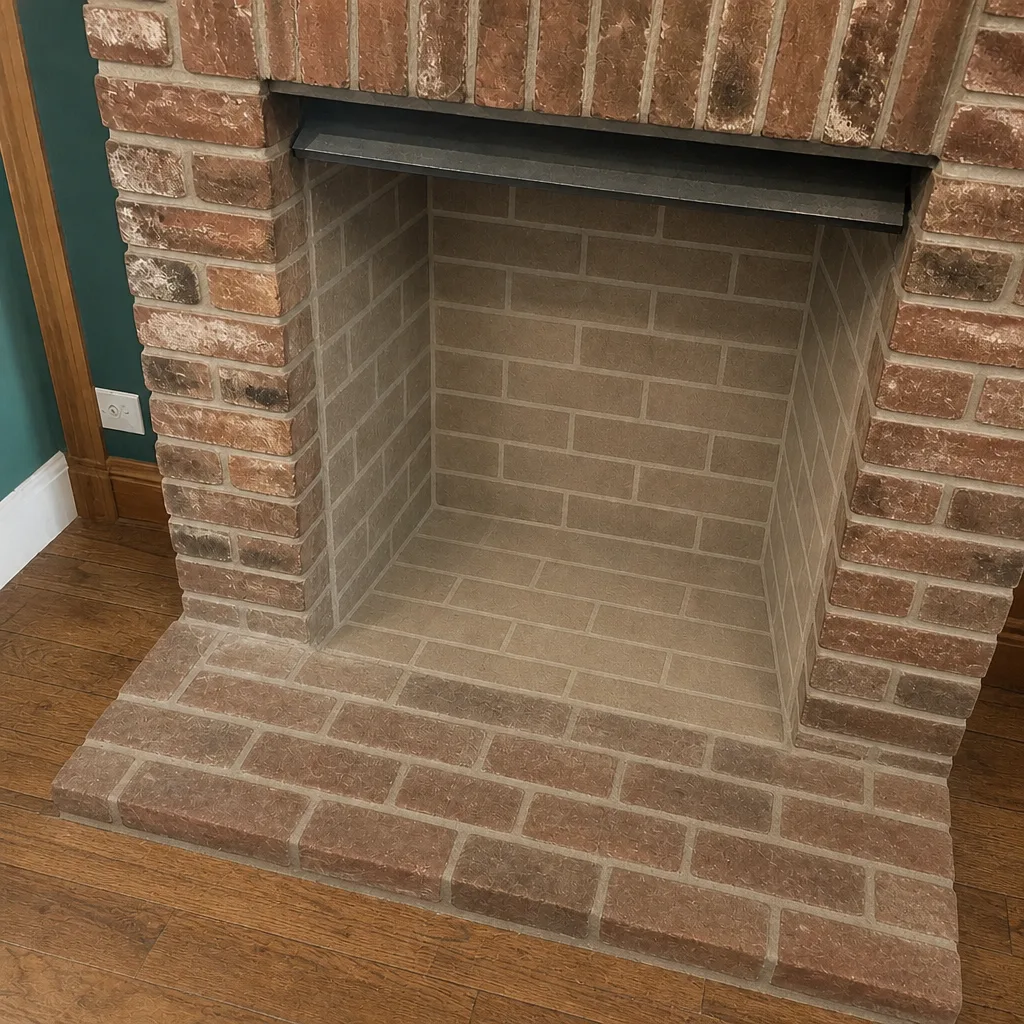 After
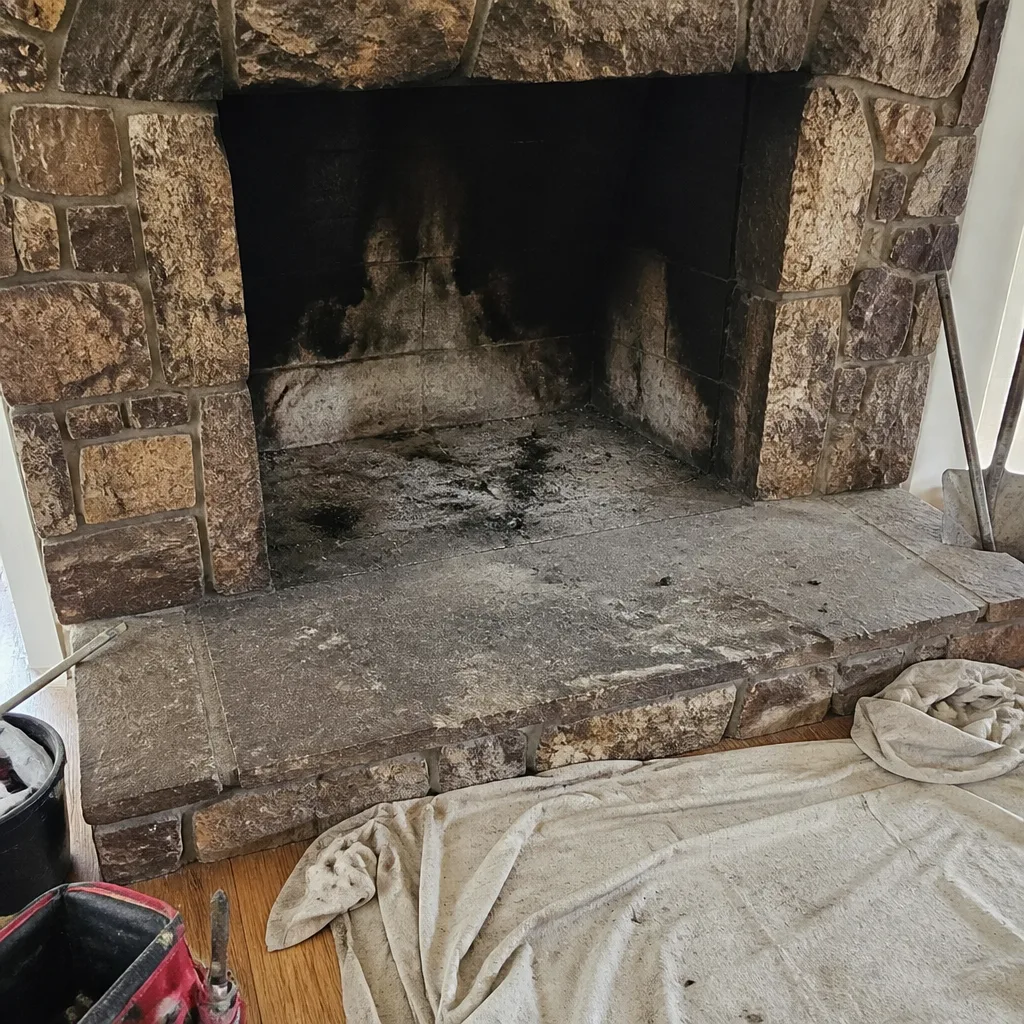 Before
 After
 Before
 After
Common Mistakes to Avoid
The material and brand side of a chimney job has a small set of recurring mistakes. They’re easy to sidestep once you know what to look for.
- Choosing the cheapest estimate, then paying twice. The lowest bid usually means the cheapest materials. In a Salt Lake City climate built on freeze-thaw cycling, a generic caulk or thin-gauge cap may fail within a few seasons. Re-doing the repair often costs more than the difference in the first estimate.
- Not asking which brand and grade of liner is being installed. A homeowner who asks that question gets a different material than one who doesn’t, because the contractor knows they’re dealing with someone who’s paying attention.
- Treating all stainless steel as the same. 304 and 316L stainless behave differently in a flue environment. So do 26-gauge and 24-gauge chimney caps when snow load is involved. The material spec is not a detail.
- Skipping the warranty conversation until after a failure. A warranty you can’t produce is a warranty that won’t help you. Ask for the terms before the job, and get the manufacturer’s literature at completion.
- Assuming a generalist will specify the right material. A handyman who also patches roofs and fixes drywall has probably never dealt with a manufacturer warranty claim on a liner. Chimney-only specialists work with the same materials every day and know the specifications.
- Ignoring the crown because it “looks fine” from the ground. The crown is the piece of the chimney that takes the most weather. What looks fine from the driveway may be cracked at the top course, and water in the masonry is expensive to fix.
- Not asking for photo documentation. If you never see the inside of your flue before and after the work, you’re trusting a verbal description. Camera inspection and a photo report cost nothing extra and give you something real to hold onto.
When to Call a Professional
Some chimney work can wait for the next scheduled sweep. Some shouldn’t. The situations below are the ones where it’s worth calling before the next burning season rather than after it.
Call a chimney professional if you’ve bought a home and don’t have a recent inspection on record for the chimney. Call if you notice water staining on the chimney exterior or ceiling near it, or if the crown looks chipped or cracked from the ground. Call if you’ve had a chimney fire, even a small one, or if you’ve noticed strong smoke smell in the firebox when the fireplace isn’t running. Call if your flue tiles are cracked or missing, if you’re switching to a different fuel type, or if it’s been several seasons since the last sweep. And call if any contractor proposes a liner replacement without showing you a camera inspection of the flue; you should see the evidence for yourself before any material is ordered.
A proper sweep and inspection tells you where your chimney actually stands, and much of what comes up can safely wait if the evidence says it can. Salt Lake City Chimney Sweep Co offers free estimates in Salt Lake City. Call (866) 947-8813. We answer 24/7. Fast dispatch from 7am to 7pm, Sunday through Friday.
Frequently Asked Questions
The names to look for are DuraFlex, HeatShield, Gelco, Olympia Chimney, Famco, and Copperfield. These are professional-tier suppliers whose products are specified by chimney specialists across the country for liners, crown repair, sealants, and caps. Seeing these brands on an estimate is a sign the contractor is buying at the trade level rather than at the retail shelf.
Yes, because the alloy grade and wall thickness determine how the liner handles heat cycling and acidic flue gases over the years. A 316L stainless liner from a trade supplier like DuraFlex or Olympia Chimney is built to a published specification. A generic liner may look the same after installation and fail years sooner. The brand is how you know the specification. Call (866) 947-8813 for an exact quote on a liner job; estimates are free.
Ask directly, and listen for a specific answer. A contractor who uses professional-grade products can name the brand, the alloy grade, and the reason for choosing that product for your situation. A vague answer like “a good stainless one” or “the best available” is a signal that the material choice is being made on price rather than fit.
Because snow load on a chimney cap is real, especially on the east bench and foothills where winter accumulation on the roof is heavier. A heavier-gauge stainless cap holds its shape under snow; a thinner gauge can deform and open gaps where water and animals get in. The gauge is one of the two specs worth asking about, along with alloy grade. Call (866) 947-8813 for an exact quote on a cap installation; estimates are free.
Improper installation, mismatched components within a system, damage from a chimney fire or foreign object, and failure to follow the manufacturer’s inspection and maintenance requirements are the most common ways warranties get voided. The warranty usually covers material defects, not installation problems, so the technician’s competence is as important as the product itself.
You can, but it’s unlikely to last through Salt Lake City’s freeze-thaw cycle. A trade-grade elastomeric crown coating from a supplier like HeatShield is formulated to flex with the masonry. A generic masonry caulk is not, and the failure usually shows up within the first couple of seasons. For a repair that’s meant to hold, the material choice matters more than the cost difference on the day of the job.
The Bottom Line
The brand of products behind your chimney repair is the part of the job that’s hardest to see and easiest to get wrong. Trade-grade suppliers like DuraFlex, HeatShield, Gelco, Olympia Chimney, Famco, and Copperfield build to published specifications and support the professionals who install their products. Hardware-store alternatives are cheaper on day one and expensive across a decade, especially in a climate where freeze-thaw cycling tests every joint and every coating year after year. Ask which brand is being used. Ask for the grade. Ask for the warranty terms and the documentation. A specialist who can answer all three without hesitation is the one you want on the roof. The team at Salt Lake City Chimney Sweep Co works exclusively on chimney and fireplace systems, from inspection through sweeping and structural repair, and the material question is one we’re happy to walk through with any homeowner before a single product is ordered. Call (866) 947-8813. We answer 24/7. Fast dispatch from 7am to 7pm, Sunday through Friday.
Written by the team at Salt Lake City Chimney Sweep Co.