
Last updated November 25, 2026
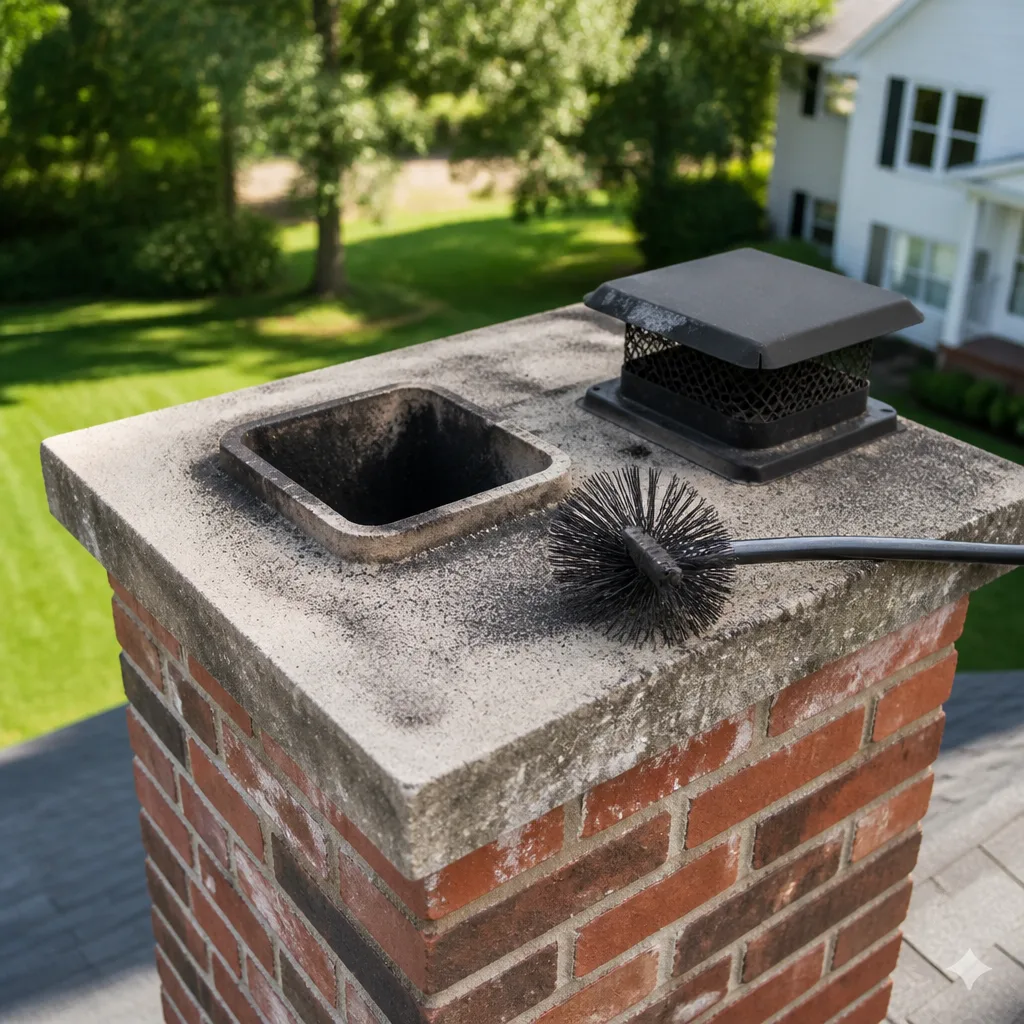 Sweep & inspection
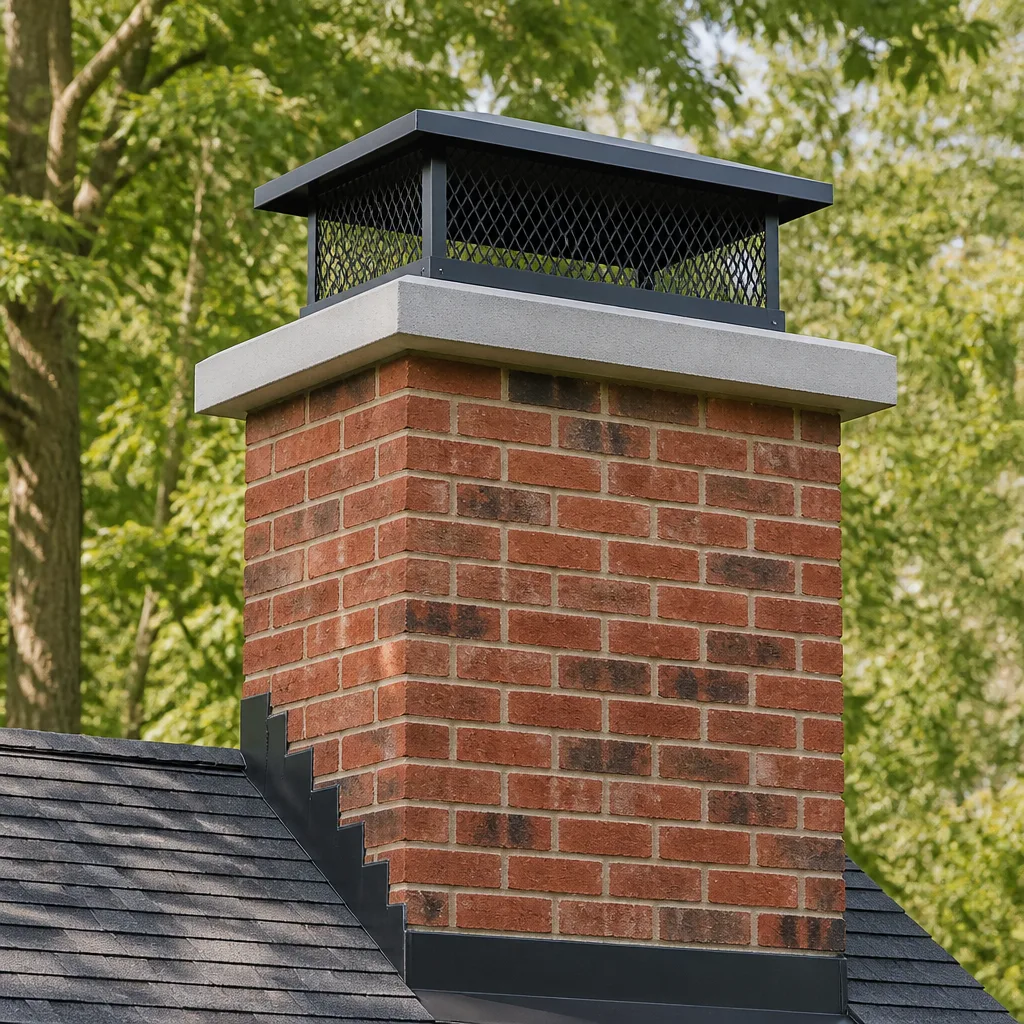 Caps & crowns
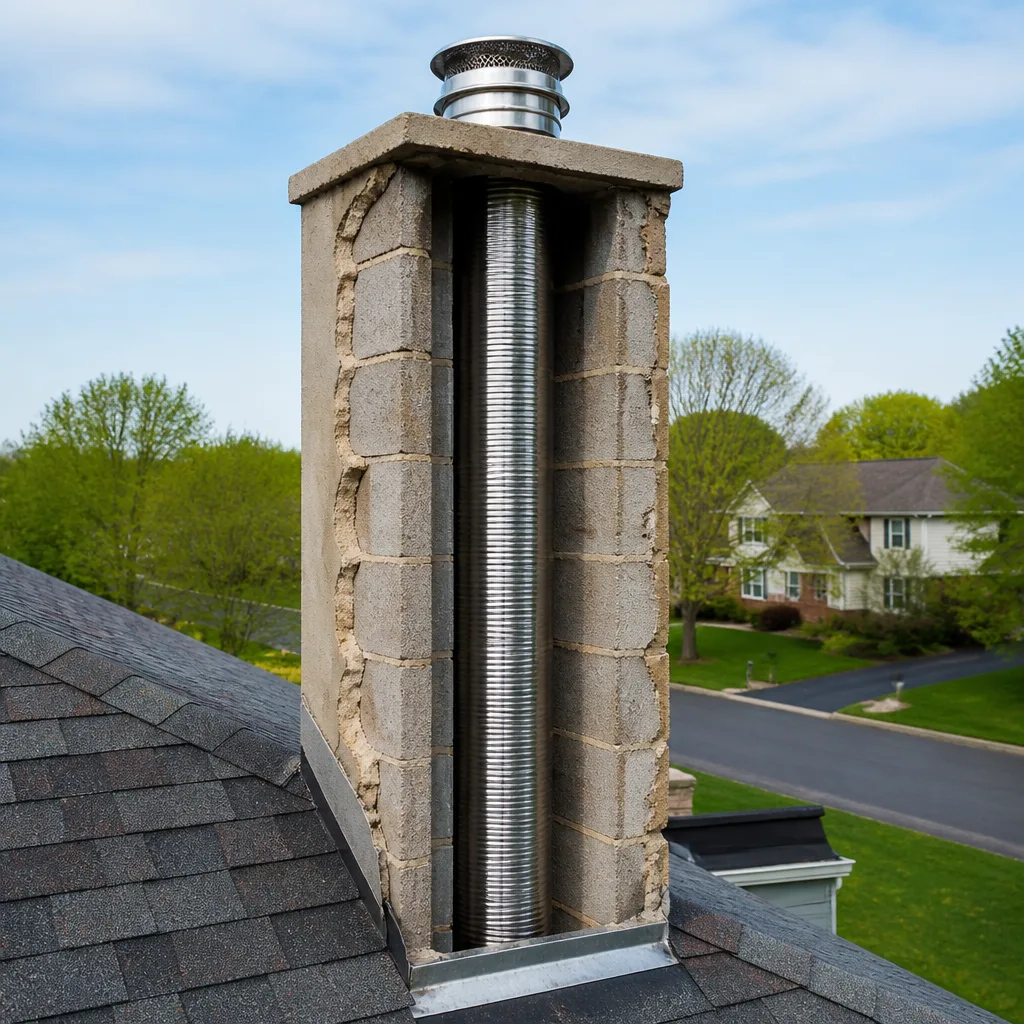 Flue relining
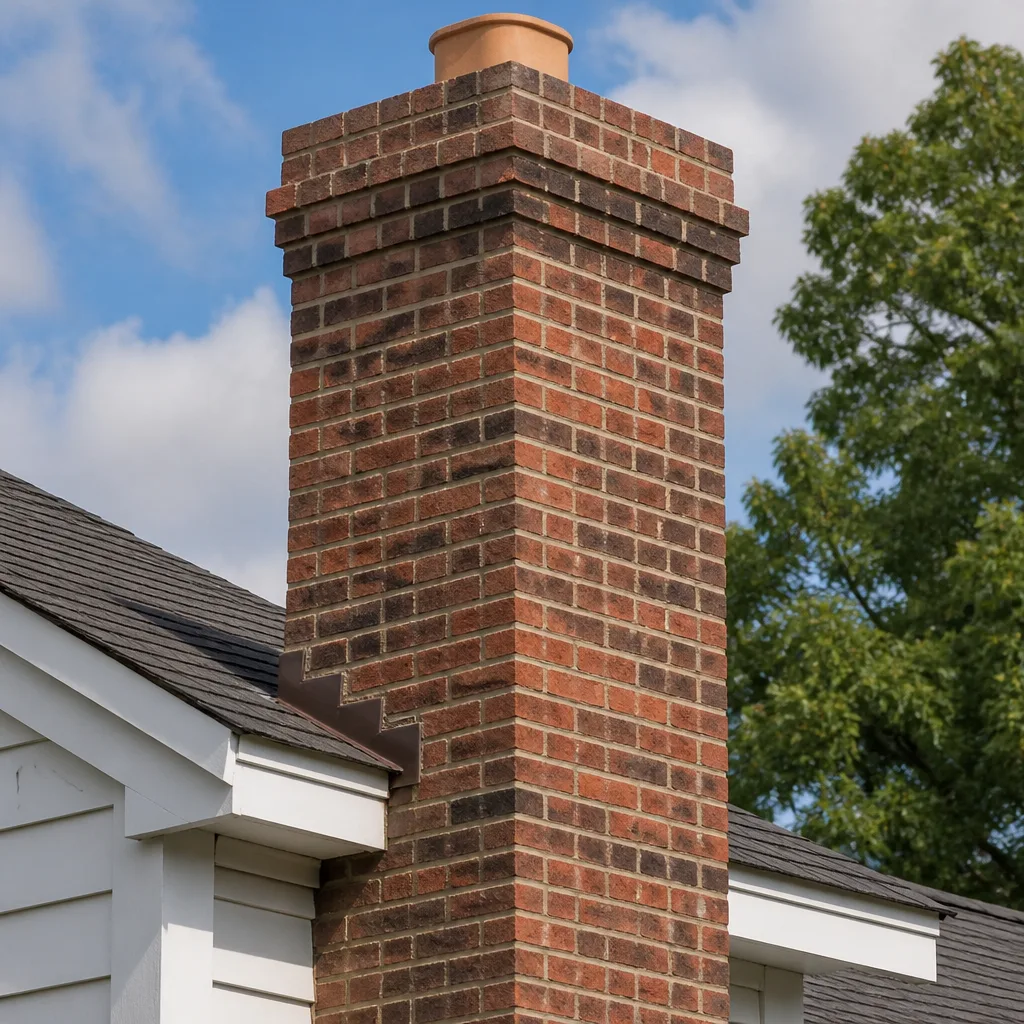 Masonry repair
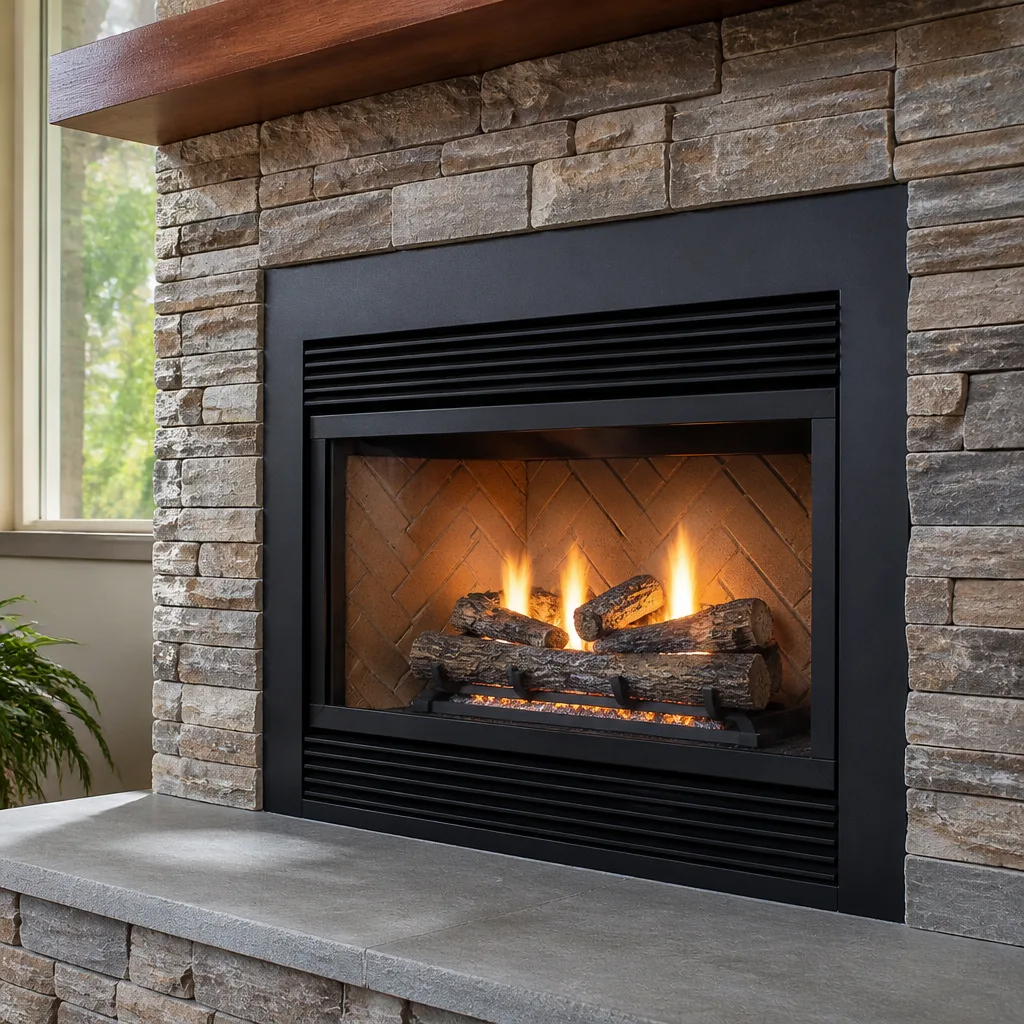 Gas fireplace service
Level 1 sweep and inspection to the NFPA 211 annual standard - flue, crown, cap, and flashing checked and photographed
Chimney sweep logs do not sweep chimneys. They loosen some creosote - which then falls where a brush and vacuum still have to collect it.
The Complete Guide to Chimney Cleaning in Salt Lake City
Most chimney advice you’ll find online was written for a generic American house in a generic American climate. Salt Lake City isn’t that. We sit in a valley where cold air gets trapped under warm air for days at a time during winter, and when the air quality gets bad enough, the whole metro slides into no-burn restrictions that change how and when people burn. That rhythm of heavy burn days followed by forced shutdowns does something specific to creosote that national guides don’t account for. This guide is written around the way Salt Lake City actually heats with wood: the inversions, the altitude, the wood sold along the Wasatch Front, and what a real cleaning visit should involve. By the end you’ll know how to judge whether your chimney needs attention and how to read a technician’s report without wondering if you’re being sold something.
Quick Answer
Chimney cleaning in Salt Lake City means removing creosote, soot, and debris from the flue and firebox, then inspecting the system for damage or blockage. Most homes burning wood regularly need a sweep once a year, but Salt Lake City’s inversion seasons can push creosote buildup faster than the national average, so homes that burn heavily may need attention sooner. A proper visit includes a sweep, a camera inspection, and a written report with photos.
Styles & brands we work with
- Sweep & inspection
- Caps & crowns
- Flue relining
- Masonry repair
- Gas fireplace service
Table of Contents
- How Salt Lake City’s Inversions Change Your Chimney’s Year
- Level 1, 2, and 3 Inspections: Which One You Need
- Why the Wood You Burn Along the Wasatch Front Matters
- What a Full Chimney Cleaning Visit Actually Involves
- How to Read a Post-Sweep Report
- What Chimney Cleaning Costs in Salt Lake City
- How Often Should You Schedule a Cleaning?
- The Limits of DIY Chimney Cleaning
How Salt Lake City’s Inversions Change Your Chimney’s Year
Salt Lake City sits in a bowl. The Wasatch Range rises steeply to the east, the Oquirrh Mountains frame the west, and the valley floor traps cold air under a layer of warmer air during winter. That trapped layer is an inversion, and it does two things to chimney health at once.
First, it’s the reason the metro issues no-burn days. When fine particulate pollution climbs, wood burning gets restricted or banned outright, sometimes for days in a row. Second, it creates a feedback loop. On the cold nights before and after a restriction, homeowners burn harder to keep the house warm. That means concentrated bursts of heavy burning followed by sudden shutdowns. A fire that gets choked down to stretch the wood supply burns cooler and smolders, and smoldering fires are the ones that lay down the stickiest, most flammable creosote. Cool flue temperatures plus restricted air equals faster staging of the very fuel that causes chimney fires.
What this means in practice for a Salt Lake City home:
- Creosote can move from a light, brushable flake to a glazed, tar-like layer more quickly than the standard “once a year” advice assumes.
- A chimney that passed inspection last spring may look different after a hard inversion season, especially if you burned unseasoned wood under restricted airflow.
- Homes in the benches and foothill neighborhoods, where overnight temperatures drop harder, often burn more and build creosote faster than homes on the valley floor.
The practical takeaway is that “annual” in Salt Lake City is a floor, not a guarantee. If you burned heavily through a bad inversion winter, it’s worth having the flue checked before the next season starts rather than waiting for the calendar to roll around.
Level 1, 2, and 3 Inspections: Which One You Need
The chimney industry grades inspections in three levels, and knowing the difference helps you understand what you’re paying for and whether a recommendation makes sense. A sweep and an inspection are not the same thing, though a good visit includes both.
Level 1 Inspection
This is the baseline check you get with a routine sweep. The technician examines the readily accessible parts of the chimney and fireplace: the firebox, the damper, the visible flue, the cap, and the exterior at ground level. It’s appropriate when your setup hasn’t changed and you burn normally. Most annual maintenance visits are Level 1.
Level 2 Inspection
A Level 2 adds a camera inspection of the flue interior and closer access to concealed areas. It’s the right call in several situations that come up often in Salt Lake City:
- You just bought a home and don’t know the chimney’s history.
- You’ve changed fuel type, added a new appliance, or relined the flue.
- You’ve had a chimney fire, even a small one you put out yourself.
- There’s been an earthquake, a structural change, or damage from a storm.
- You’re switching to a new insert or connecting a new stove.
After a hard Utah inversion season with heavy burning, a Level 2 is often the smarter choice, because camera inspection is what reveals glazed creosote and cracked flue tiles that a surface look won’t catch.
Level 3 Inspection
Level 3 is a diagnostic inspection that involves opening up parts of the chimney or building when a serious problem is suspected and can’t be confirmed any other way. It’s uncommon, and it’s reserved for when the evidence points to concealed damage. If someone recommends a Level 3, ask what evidence prompted it. A camera inspection and photo report should come first.
Why the Wood You Burn Along the Wasatch Front Matters
The wood you feed a Salt Lake City fire drives how fast creosote forms, and the wood sold around the Wasatch Front is not all the same. Seasoning and species both matter, and both affect how often you’ll need cleaning.
Pine and Softwoods
Pine and other softwoods are common and easy to find locally, and they ignite fast, which makes them good for getting a fire going. But softwoods are resinous and, if they aren’t fully seasoned, they burn with more smoke and produce more creosote. Burning green pine is one of the fastest ways to build a sticky flue. If you burn pine, burn it dry and mix it with harder wood rather than relying on it alone.
Oak and Mixed Hardwood
Hardwoods like oak burn hotter and longer, which keeps flue temperatures up and produces less creosote per cord when they’re properly seasoned. That doesn’t make them maintenance-free, but a home burning dry hardwood consistently tends to have a cleaner flue than one burning a steady diet of soft, unseasoned wood.
Seasoning Is the Real Variable
Species matters less than moisture. Wood that hasn’t dried to a low moisture content hisses and smolders and throws off the smoke that becomes creosote, no matter what species it is. Ask your supplier how the wood was seasoned, and split a piece to check before you trust it. A moisture meter is inexpensive and takes the guesswork out of it. The practical rule for Salt Lake City: dry hardwood burned hot and clean means a lighter cleaning schedule, while damp softwood burned slow and smoldering means check the flue sooner.
What a Full Chimney Cleaning Visit Actually Involves
A professional cleaning isn’t a quick brush and a goodbye. Here’s what a complete visit should look like when you book a chimney sweep in Salt Lake City.
- Setup and protection. The technician lays drop cloths over the hearth and surrounding floor and seals the firebox opening with a containment system so soot and dust stay in the chimney, not in your living room.
- Firebox and damper check. The firebox, damper, and smoke shelf get cleaned and checked for cracks, rust, or operation problems.
- Flue sweep. Using rods and brushes sized to your flue, the technician sweeps the full length of the flue, removing creosote, soot, and any obstructions. Glazed or hard creosote may need different treatment than standard brushing.
- Camera inspection. A camera goes down the flue to check for cracks, gaps, deteriorated flue tiles, and blockages. This is where real findings come from, and it’s where a technician can show you what they see.
- Exterior and cap check. The cap, crown, and flashing are inspected from outside or by camera for damage that lets water or animals in. If the crown is failing, that’s the time to address it with proper chimney cap & crown work.
- Cleanup and documentation. Everything gets cleaned up, and you receive a written report with photos showing the condition of the flue and any findings.
A typical visit takes one to two hours depending on how much buildup there is and whether any repairs surface. The documentation is the part that matters most, because it’s your record of the chimney’s condition and the basis for any recommendation.
How to Read a Post-Sweep Report
This is the heart of a good cleaning relationship: understanding what the report says and whether the recommendations are necessary. The report is the reason you’re paying a professional rather than guessing. Here’s how to read it.
Start with what was found, not what’s recommended. A good report separates observations from recommendations:
- Condition of the flue. Look for specific language about creosote staging (how much and what type) and flue tile condition (cracks, gaps, spalling).
- Evidence with photos. Every recommendation should be tied to a photo or camera finding you can see. If you’re told the flue needs relining, the report should show why.
- Urgency made explicit. A responsible report tells you what should be fixed now and what can safely wait. Some findings are cosmetic or slow-moving; others aren’t.
The question to ask yourself: does the recommendation follow from the evidence? If a technician recommends a major repair with no photo or camera evidence, ask to see it. A specialist should be able to walk you through the images and explain plainly what they mean. It’s also fair to ask what happens if you wait. If the answer is vague or alarmist, get a second opinion. If the technician can point to a specific cracked tile or a glaze layer and explain the risk, the recommendation is grounded. We build every Salt Lake City Chimney Sweep Co visit around that principle: nothing is recommended without camera evidence you can see for yourself.
What Chimney Cleaning Costs in Salt Lake City
Costs vary with the size of your chimney, how much buildup there is, and whether repairs surface. These are typical estimated ranges for the Salt Lake City market, and the written estimate you receive sets the final price.
| Service | Typical Estimated Range |
|---|---|
| Standard chimney sweep (Level 1) | $150 – $300 |
| Sweep with Level 2 camera inspection | $250 – $450 |
| Chimney cap installation | $200 – $500 |
| Crown repair or rebuild | $350 – $900 |
| Flue relining (full liner) | $2,000 – $5,000 |
| HeatShield liner resurfacing | $1,200 – $3,000 |
Two things drive the range. The first is buildup: a lightly soiled flue takes less time than one carrying glazed creosote. The second is condition: a sweep that turns up cracked flue tiles opens the question of repair, and that’s where the larger numbers come from. It’s worth knowing that full relining isn’t the only path when the tiles have deteriorated. HeatShield liner resurfacing can repair a failing flue in some cases without the cost of a full liner, which is one reason it’s part of our toolkit. We’d rather show you a repair option that extends the chimney’s life than jump straight to replacement. Estimates are free, so there’s no reason to guess. Call (866) 947-8813 for an exact quote.
How Often Should You Schedule a Cleaning?
The standard answer is once a year for homes that burn wood regularly, and once a year is a reasonable starting point. But Salt Lake City’s pattern of concentrated burn days followed by inversion restrictions means a calendar rule isn’t enough on its own.
Think in terms of what you burned rather than what month it is:
- Heavy burning through an inversion winter: check before the next season, not just once a year.
- Light, occasional fires in a dry hardwood: annual maintenance is usually enough.
- Burning green or soft wood consistently: check more often, because buildup is faster.
- Gas inserts and wood stoves: still need an annual inspection even though they produce less soot.
A soot buildup of even a small amount can restrict draft and raise the risk of a chimney fire, which is why frequency should track your actual burning, not just the season. If you’re unsure, a sweep with a camera inspection gives you a real answer to work from.
The Limits of DIY Chimney Cleaning
Cleaning the accessible parts of a fireplace is something a careful homeowner can do, but the flue is a different story, and a few checks are worth doing yourself between professional visits. Look up the flue with a flashlight for obvious blockage; check that the damper opens fully; confirm the cap is intact and free of nests. Beyond that, the job gets risky.
Creosote in the flue can be flammable, and a flue fire is a serious event. Brushing a flue without proper tools and containment sends soot into the house, and worse, a homeowner can’t judge from below whether flue tiles are cracked or glazed creosote is present. That judgment requires a camera and the experience to interpret it. The structural side carries real risk too: working on a cap or crown at height is dangerous, and the components have to be installed correctly to keep water and animals out. We’d rather you not take on a job where a mistake can be structural, and we say that as a company whose technicians have up to 13 years of experience doing exactly this work.
What Full-Service Chimney Care Looks Like in Salt Lake City
A chimney isn’t a single object; it’s a system with a lifespan. It starts with an inspection on a home you just bought, where you simply don’t know the history. It moves through annual sweeps and inspections. Eventually it involves repairs: a failing crown, a deteriorating flue, a firebox that needs attention. When those stages are handled by one chimney-only company, you’re not re-explaining your system to a new contractor each time.
That’s why we cover the whole arc: sweeping, inspection, cap and crown work, fireplace repair, and structural chimney repair. We use professional-grade materials from brands like DuraFlex, HeatShield, Olympia Chimney, and Famco, the same tier of materials specified by chimney professionals, rather than hardware-store substitutes. Being chimney-only means every job is chimney work, not a job squeezed between general handyman tasks. Whether it’s a preventive sweep before burning season or a repair that surfaced in a camera inspection, it’s one company for every chimney need.
Common Mistakes to Avoid
- Waiting for a problem before the first sweep. A chimney you’ve never had inspected is a chimney you don’t know the condition of. Book the first check before you need it, not after.
- Burning wet or green wood to stretch the supply. It burns cool, smolders, and lays down creosote fast. Dry hardwood keeps the flue cleaner and your fires hotter.
- Assuming an annual sweep is always enough. After a hard Salt Lake City inversion winter with concentrated burn days, the flue may need a check before the calendar says so.
- Treating a sweep and an inspection as the same thing. A sweep cleans; a camera inspection finds what cleaning can’t. If your chimney’s history is unknown, ask for the inspection.
- Ignoring the cap and crown. A failing cap or crown lets in water and animals, and that damage works its way down into the flue over time.
- Accepting a big repair with no evidence. If relining or resurfacing is recommended, ask to see the camera images that justify it. A specialist can show you.
- Cleaning only the firebox and calling it done. The buildup that matters is up the flue, where you can’t see it from below.
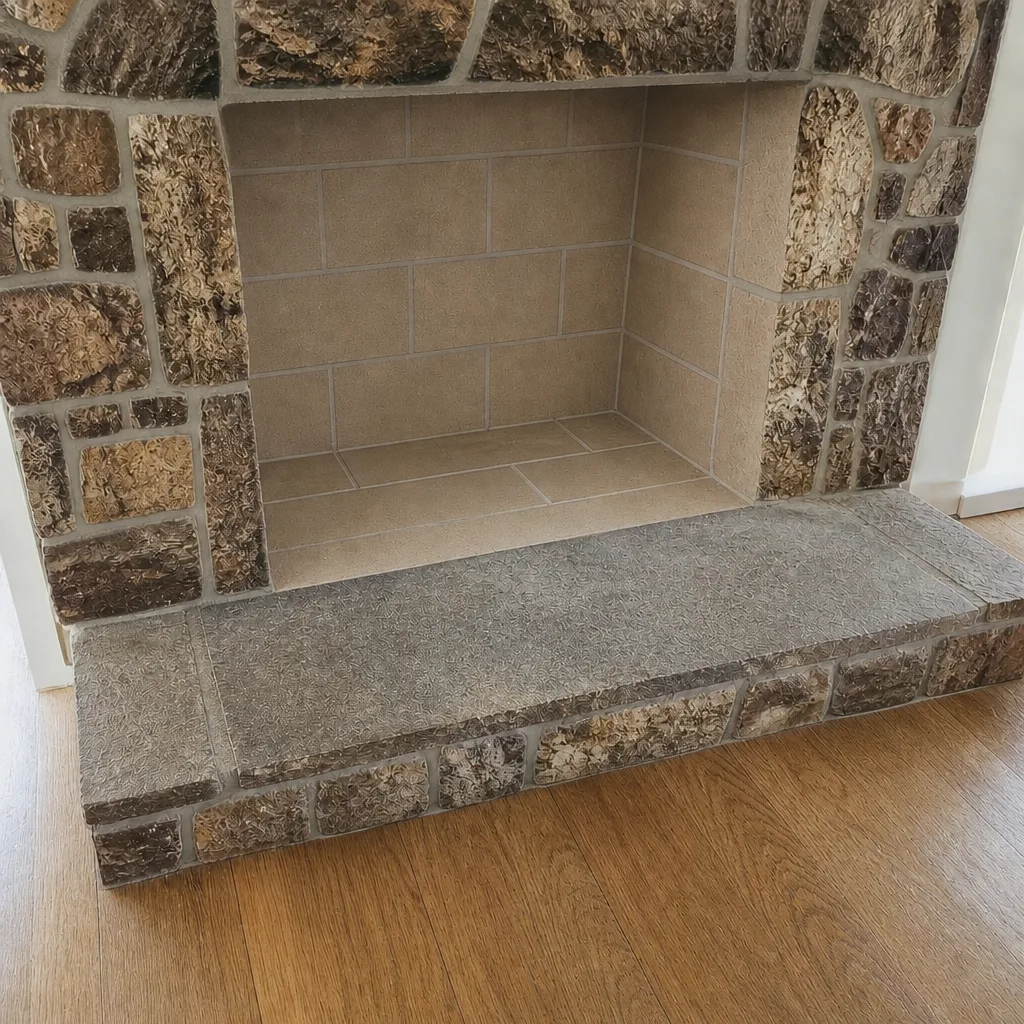
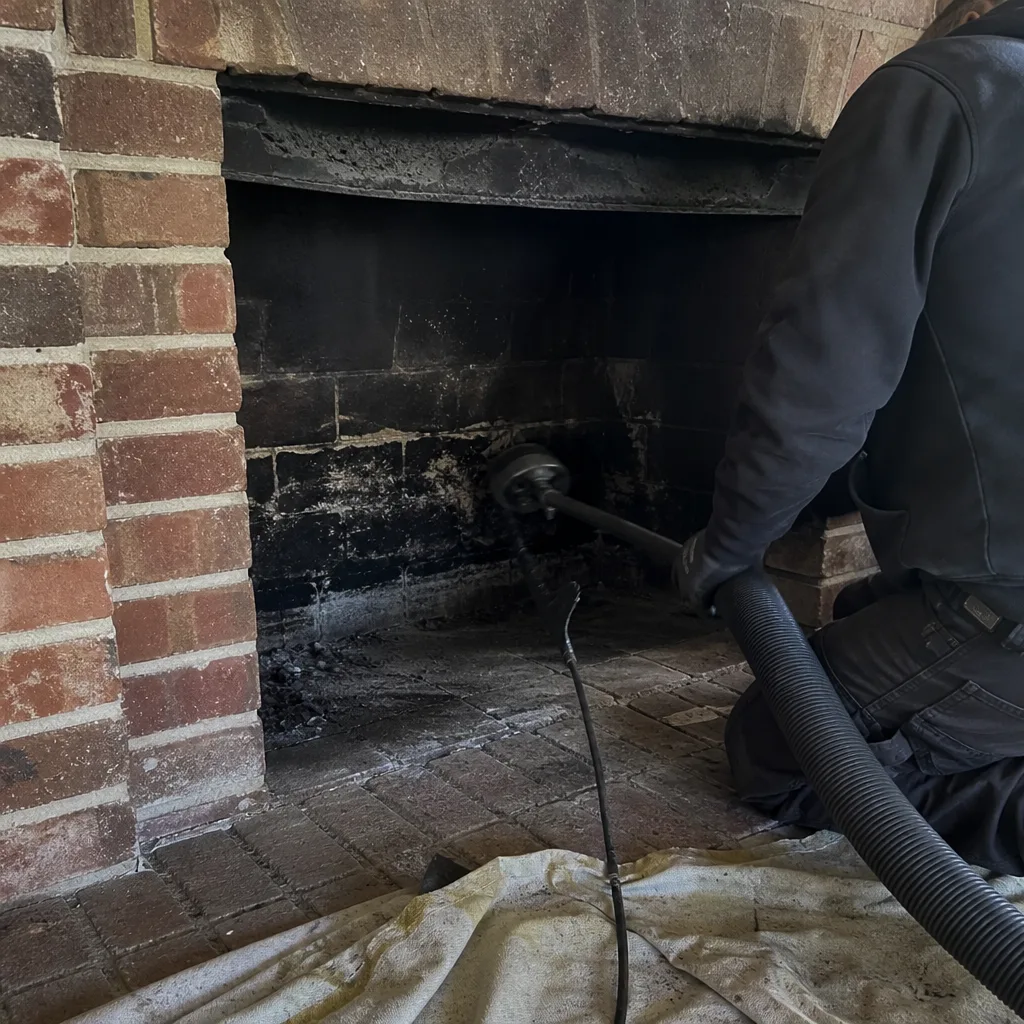
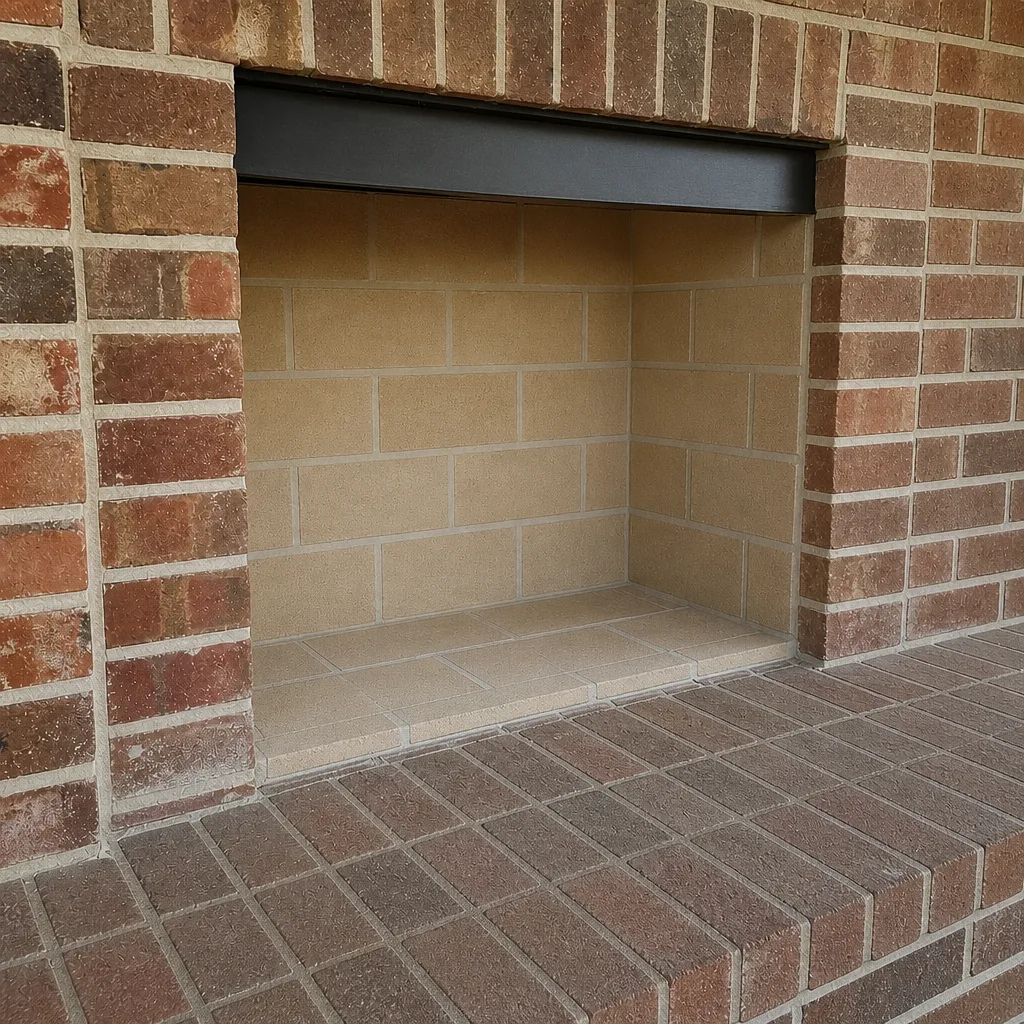
See the difference
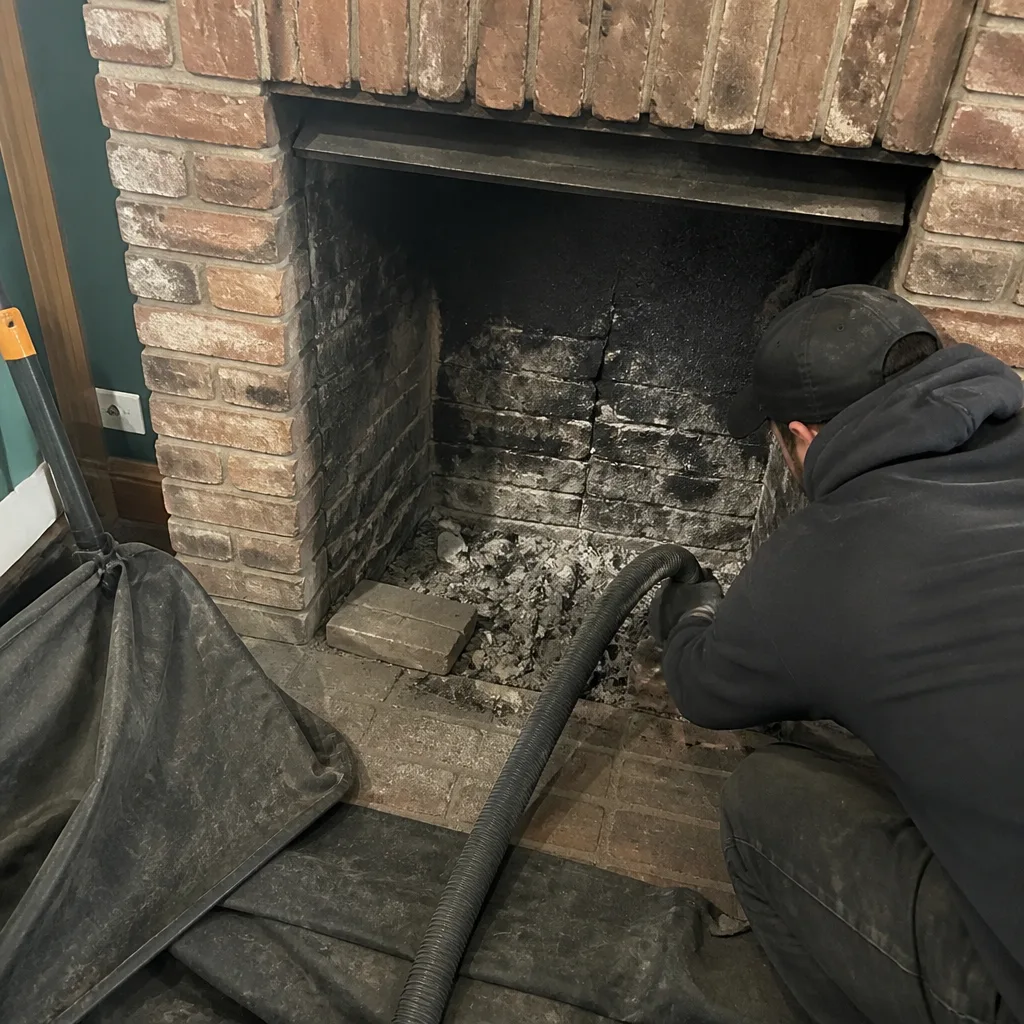 Before
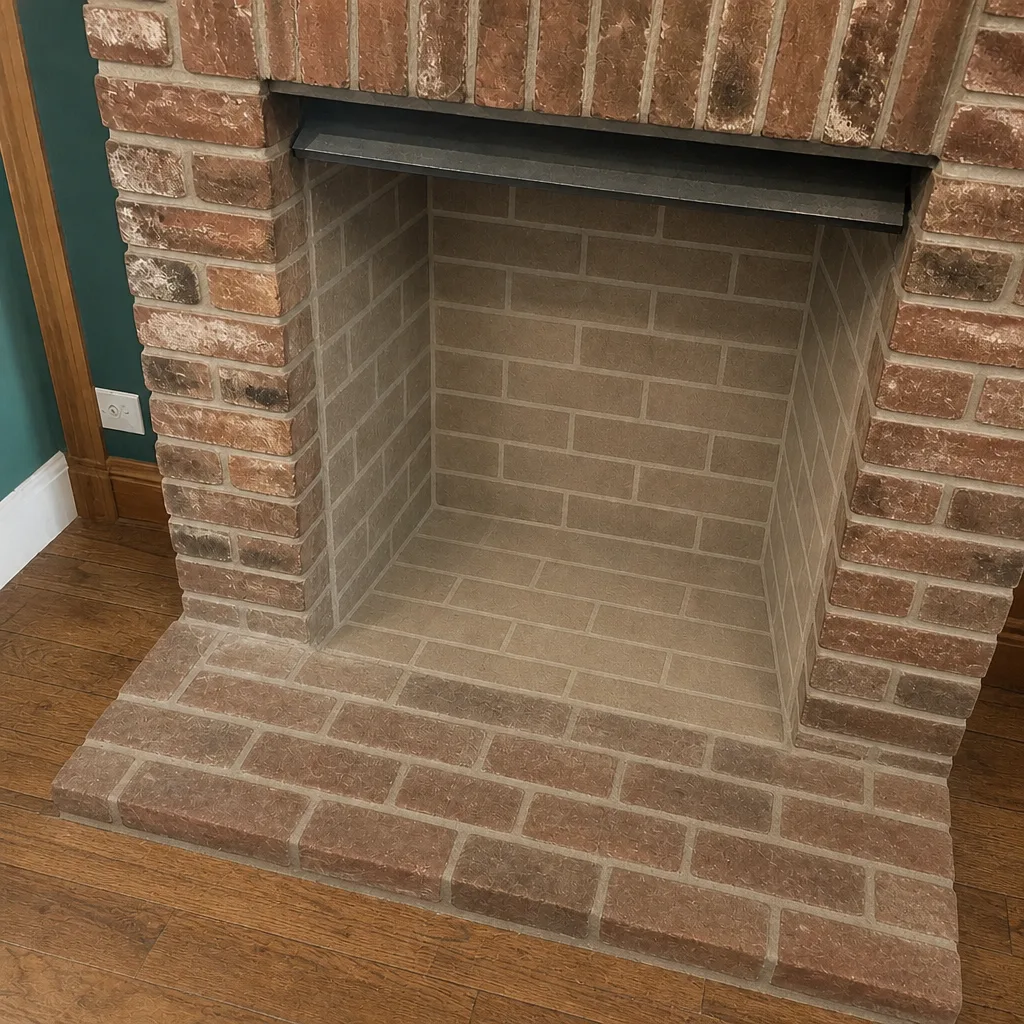 After
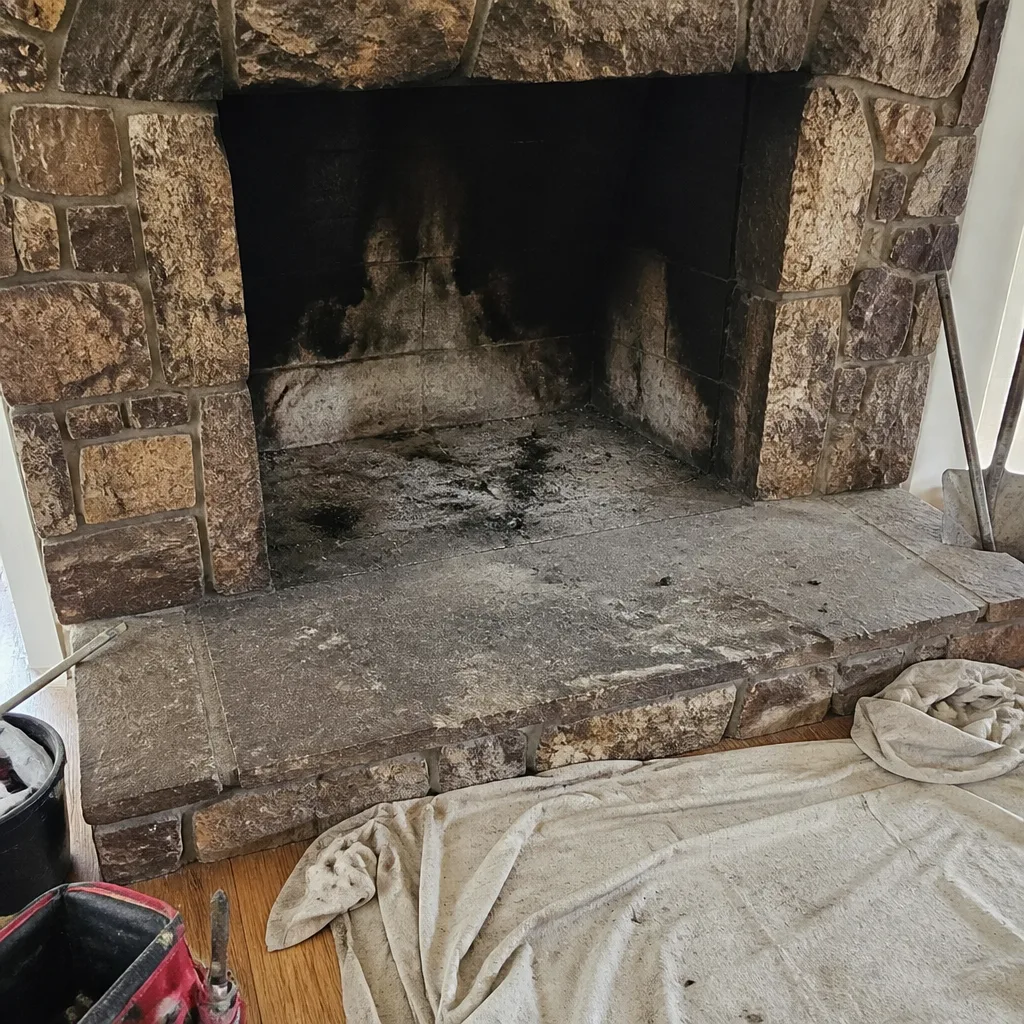 Before
 After
 Before
 After
When to Call a Professional
Call a professional when the job moves past the accessible parts of the firebox. That means: a flue you’ve never had inspected, a chimney that hasn’t been checked before a new heating season, a smell or draft problem you can’t explain, a small chimney fire even if you put it out yourself, or a recommendation to reline or repair that you want explained with evidence. Salt Lake City Chimney Sweep Co offers free estimates in Salt Lake City. Call (866) 947-8813. We answer 24/7. Fast dispatch from 7am to 7pm, Sunday through Friday. A call outside dispatch hours is booked into the next opening, Sunday through Friday, 7am to 7pm.
Frequently Asked Questions
Do I really need a new liner?
Not always. A full relining is sometimes necessary, but cracked or deteriorated flue tiles can often be resurfaced with HeatShield instead, extending the chimney’s life without the cost of a full liner. Any recommendation should come with camera evidence you can see, and if a repair can safely wait, we’ll tell you. Call (866) 947-8813 for an exact quote – estimates are free.
Most homes burning wood regularly need a sweep once a year, but Salt Lake City’s inversion seasons can accelerate creosote buildup, so heavy burners may need a check sooner. Track how much you burned rather than the calendar alone. Call (866) 947-8813 for an exact quote – estimates are free.
Skipped cleanings let creosote accumulate, and creosote is the fuel that feeds a chimney fire. Blockages and deterioration can also go unnoticed until they cause drafting or structural problems. A sweep with a camera inspection catches both early, when they’re cheaper and safer to address. Call (866) 947-8813 for an exact quote – estimates are free.
Inversions trap cold air and trigger no-burn restrictions, so homeowners burn in concentrated bursts and then shut down. That pattern of heavy burning and smoldering fires builds creosote faster than steady, moderate burning, which is why a Salt Lake City flue can need attention sooner than the national “once a year” rule suggests.
Dry, seasoned hardwood like oak keeps flue temperatures up and produces less creosote per cord than damp softwood. If you burn pine, burn it dry and mix it with harder wood rather than relying on it alone. A moisture meter removes the guesswork.
The Bottom Line
Chimney care in Salt Lake City isn’t the generic once-a-year advice you’ll find on most sites. The inversions, the concentrated burn days, and the wood sold along the Wasatch Front all shape how fast creosote forms. The practical takeaways: sweep annually as a floor, check sooner after a heavy inversion winter, burn dry hardwood, know the difference between a sweep and an inspection, and read any recommendation against the camera evidence behind it. A chimney-only specialist handles the whole system, from inspection to repair, so you’re not piecing it together yourself. That’s the standard worth holding your chimney to.
If you’re ready to know the real condition of your Salt Lake City chimney, call (866) 947-8813 for a free estimate. We answer 24/7. Fast dispatch from 7am to 7pm, Sunday through Friday. A call outside dispatch hours is booked into the next opening, Sunday through Friday, 7am to 7pm. Safe, clean, and structurally sound starts with a visit you can trust.
Written by the team at Salt Lake City Chimney Sweep Co.