
Last updated November 25, 2026
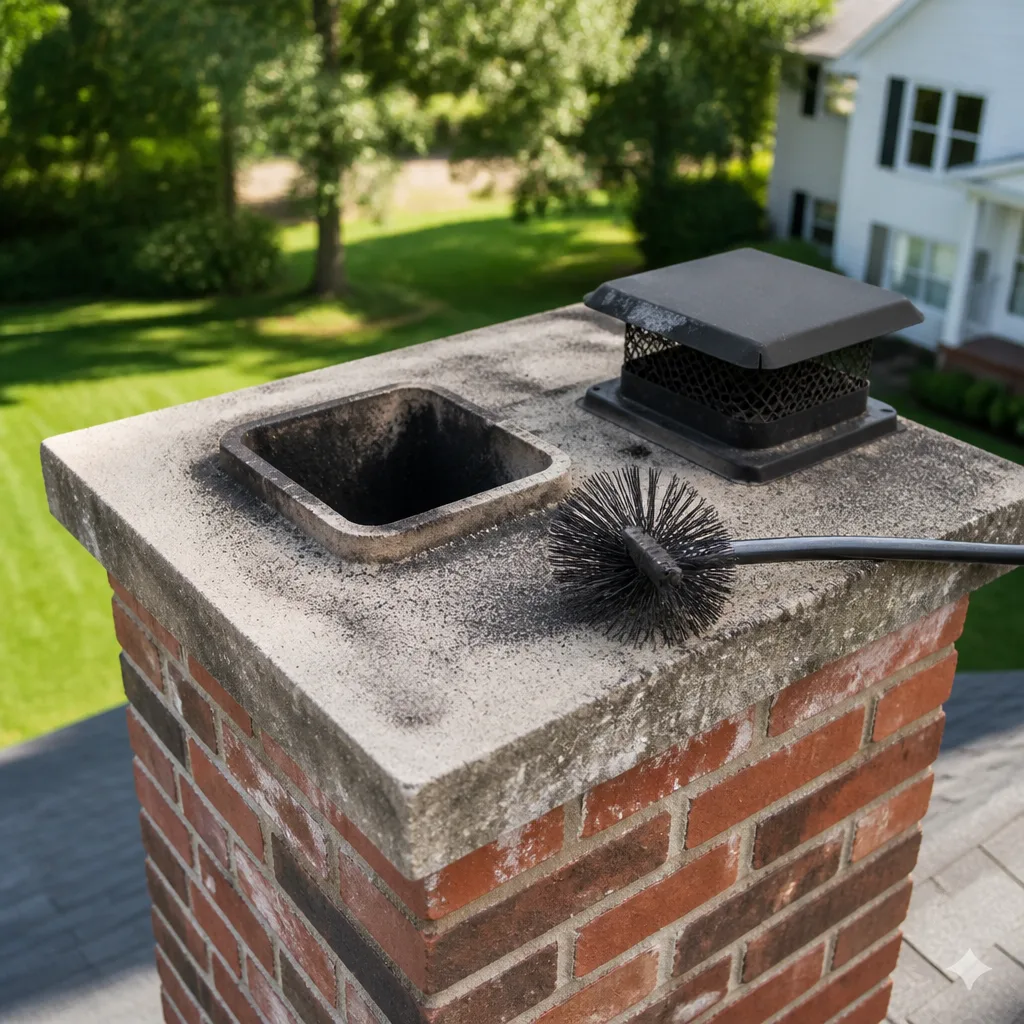 Sweep & inspection
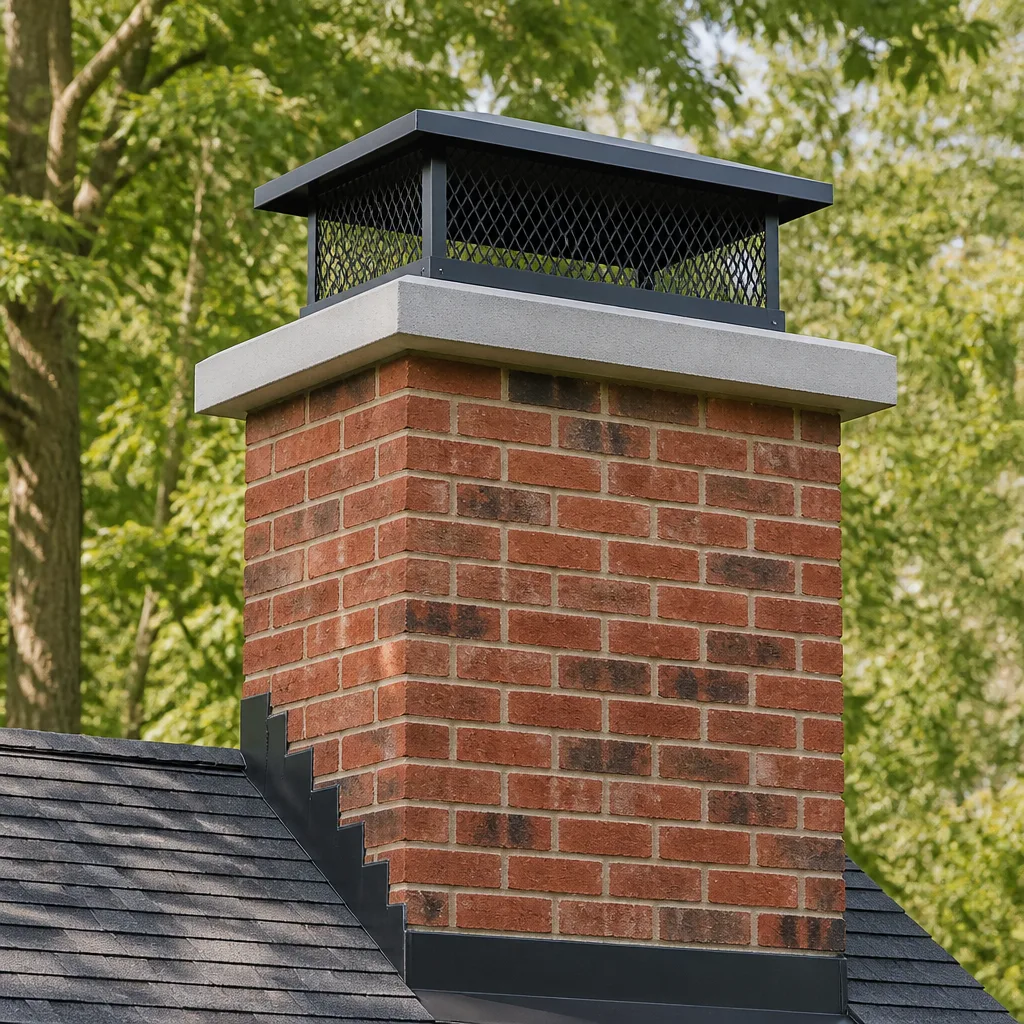 Caps & crowns
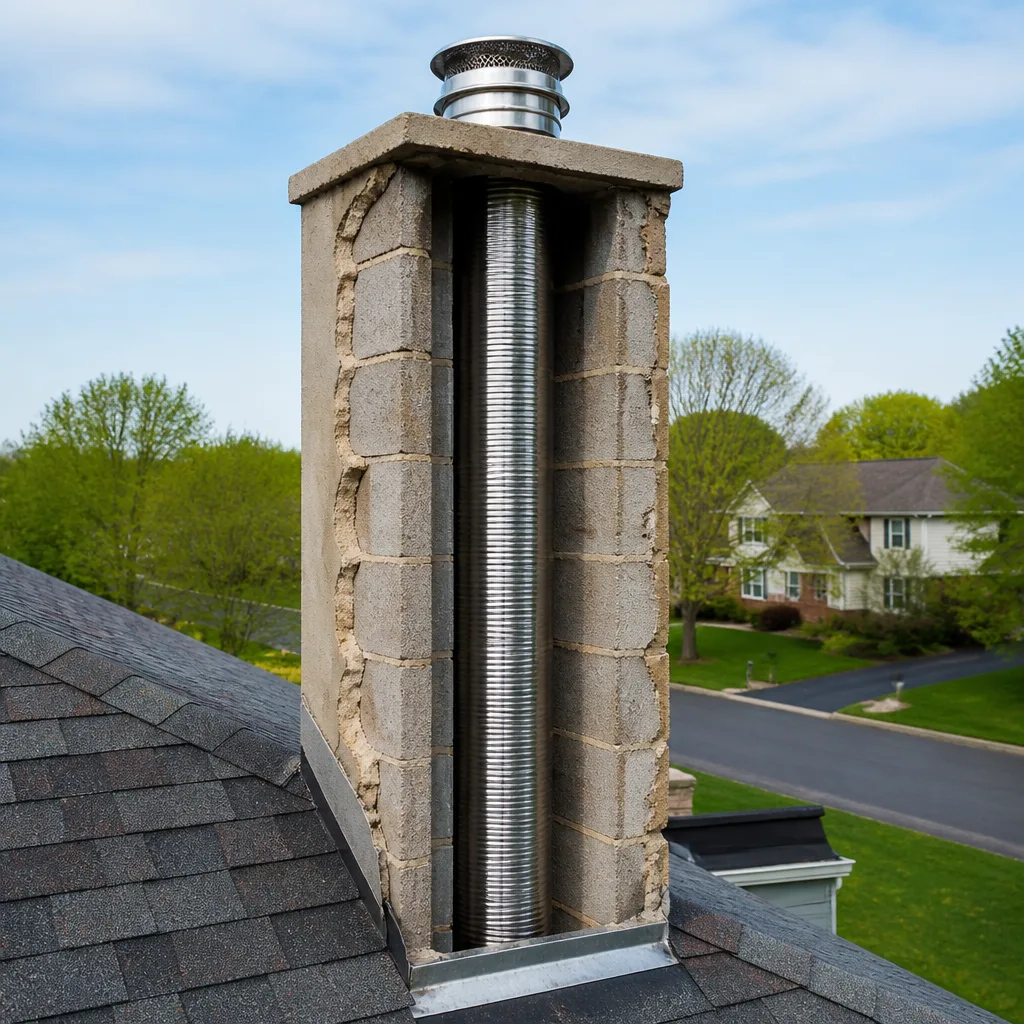 Flue relining
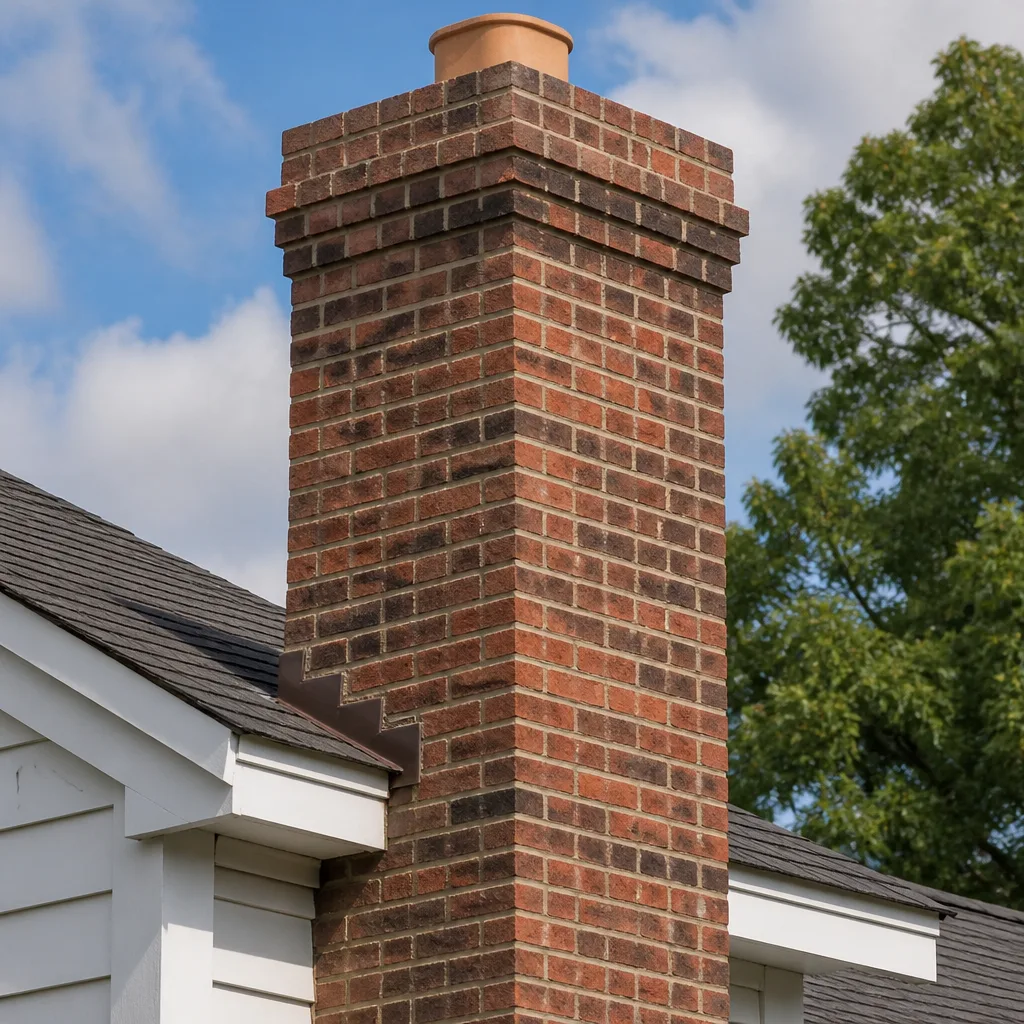 Masonry repair
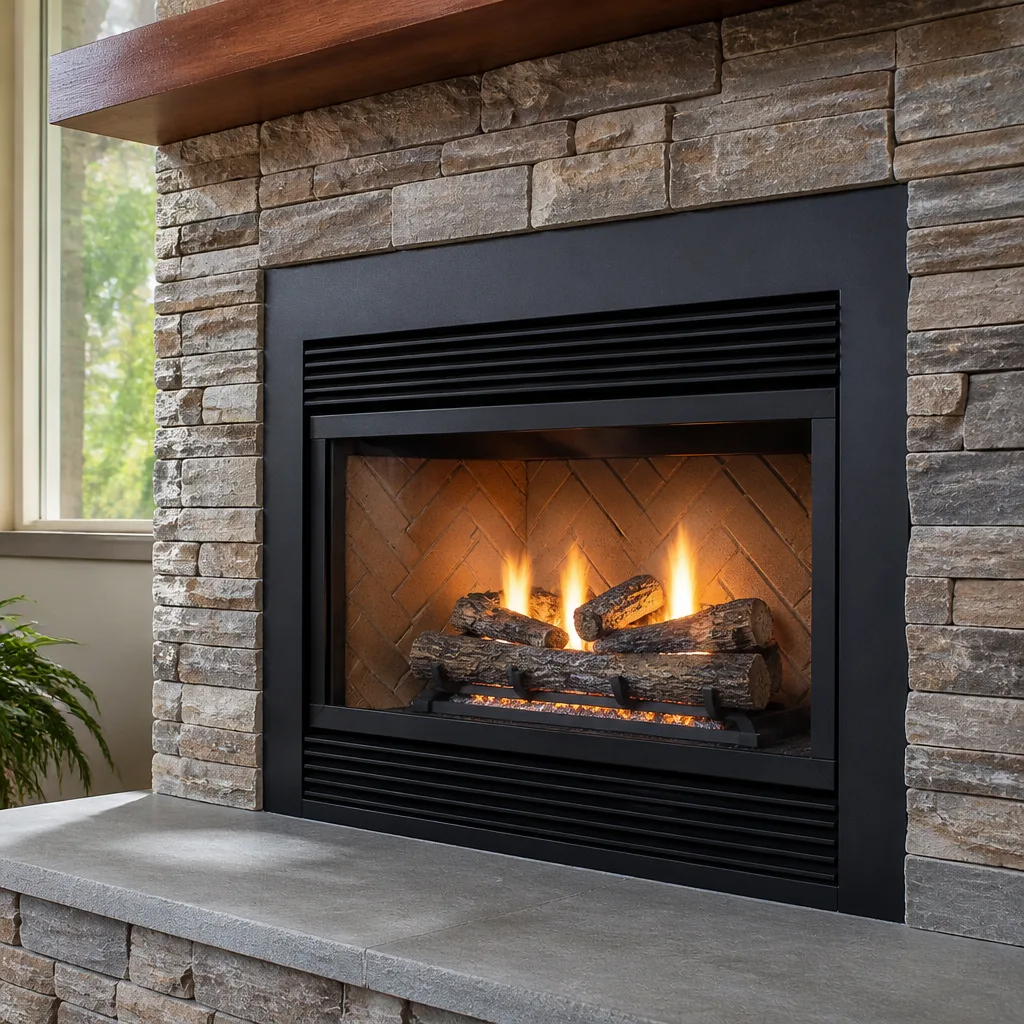 Gas fireplace service
Level 1 sweep and inspection to the NFPA 211 annual standard - flue, crown, cap, and flashing checked and photographed
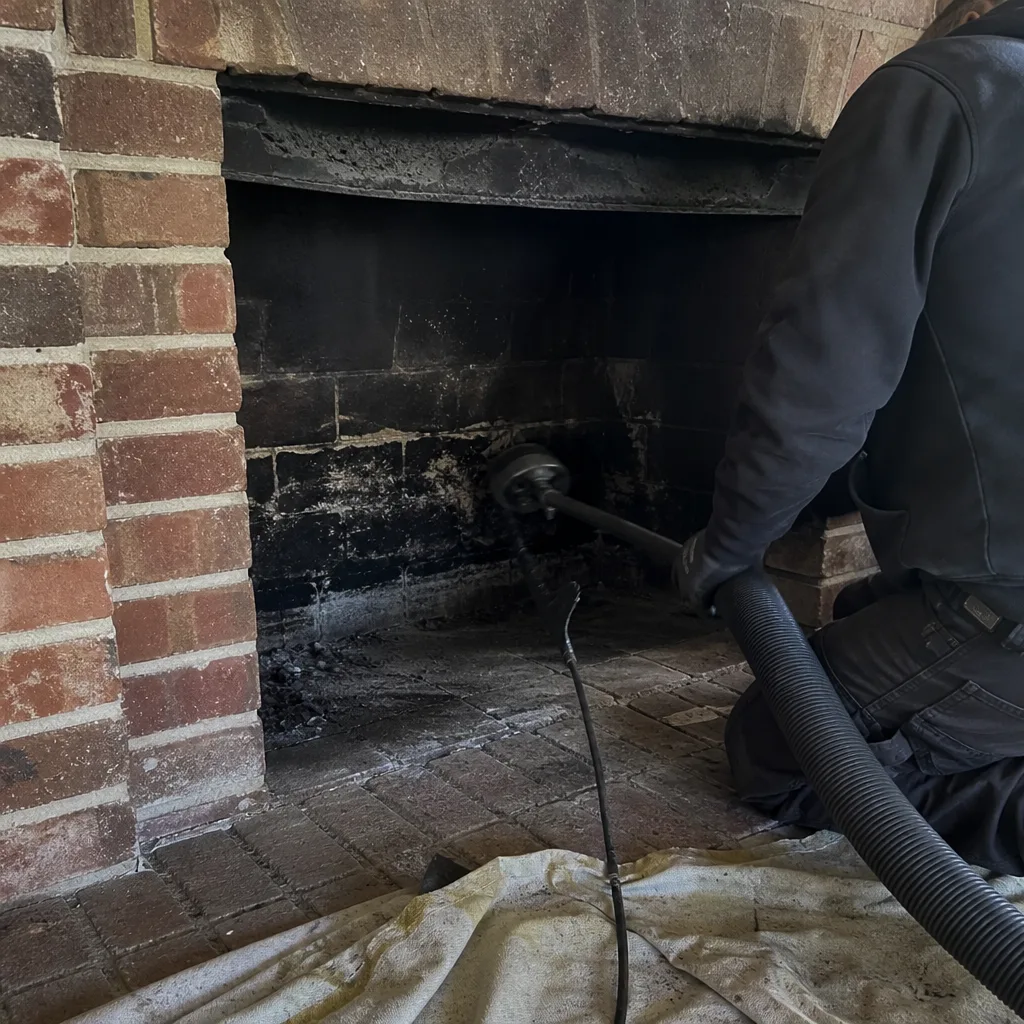
Chimney sweep logs do not sweep chimneys. They loosen some creosote - which then falls where a brush and vacuum still have to collect it.
Chimney Cleaning Warning Signs: A Salt Lake City Homeowner’s Reference Guide
A strong campfire smell inside your house on a warm July afternoon isn’t nostalgia. It’s your chimney telling you there’s enough creosote built up in the flue that ordinary heat is volatilizing it right through the masonry. Most homeowners miss that message because nobody ever explained what creosote odor, a draft problem, and structural wear actually look, smell, and sound like in plain terms. This guide changes that. You’ll learn the sensory checklist for each problem, which signs mean watch-and-wait, and which mean stop using the fireplace now. We’re writing it from Salt Lake City, where the valley’s cold inversions and long burning season shape what chimney problems look like.
Styles & brands we work with
- Sweep & inspection
- Caps & crowns
- Flue relining
- Masonry repair
- Gas fireplace service
Quick Answer
The main warning signs that a chimney needs cleaning are a strong smoky or campfire smell in the house when the fireplace isn’t burning, a black or glassy buildup on the flue walls, smoke spilling back into the room instead of drafting up, a dark creosote stain on the firebox or damper, and white staining or crumbling on the exterior brick. Soot and creosote buildup of any noticeable thickness, poor draft, or visible structural decline all point to a sweep and inspection before the next fire. In Salt Lake City, these signs often appear after a heavy winter of burning, so spring and early fall are the natural checkpoints.
Table of Contents
- What Does a Chimney Problem Actually Smell, Sound, and Look Like?
- The Three Stages of Creosote and What Each One Tells You
- Why White Staining on Exterior Brick Is a Moisture Warning
- Draft Problems vs. Blockages: Telling Them Apart
- Watch-and-Wait Signs vs. Stop-Using-Now Emergencies
- How Salt Lake City Homes Develop Chimney Problems Differently
- What a Professional Sweep and Inspection Actually Checks
- Common Mistakes to Avoid
- When to Call a Professional
- Frequently Asked Questions
- The Bottom Line
What Does a Chimney Problem Actually Smell, Sound, and Look Like?
Warning signs come through three senses before they ever show up as a visible problem. Learning to read them is the fastest way to know when a fire is safe and when it isn’t. Here’s the sensory checklist we walk every Salt Lake City homeowner through.
Smells
- Campfire odor with no fire burning – the classic sign of creosote buildup. When the flue is warm from the sun, from a nearby heat source, or from a recent fire, deposited creosote can release that acrid, smoky smell back into the room.
- A sharp, tar-like or asphalt smell – this often points to Stage 3 creosote, the glazed, hardened kind that’s the most flammable and the hardest to remove.
- A musty or damp smell – usually moisture, either from water getting in through a failing cap or crown, or from a flue that hasn’t fully dried out.
- A metallic or acrid odor with a gas insert – not creosote in the same way, but a sign the insert or venting needs a look.
Sounds
- A low roar or rumbling during a fire – can indicate excessive draft pulling flame up the flue, or creosote igniting. If you hear this and haven’t started the fire, act immediately.
- Popping, crackling, or a whooshing sound that isn’t from the wood – a sign of a chimney fire or one about to start.
- Whistling or howling on windy days – often a draft or cap issue, less often a blockage.
Visual cues
- Black soot or dark staining on the firebox walls or above the damper.
- Smoke spilling into the room when you light a fire.
- White or grey staining on exterior brick (efflorescence), which we cover in its own section.
- Flaking, crumbling, or spalling brick, or visible gaps in the mortar.
- A cap that’s dented, missing, or sitting crooked.
Draft behavior
- A fire that’s slow to light and quick to smoke.
- A cold, drafty feel around the fireplace when it’s not in use.
- Ash or soot drifting into the room instead of up the flue.
Read together, these signs paint a picture. A single smell on a warm day is different from a roaring sound during a fire. If you’re noticing any of the visual or sound cues, a chimney sweep and inspection is the right next step.
The Three Stages of Creosote and What Each One Tells You
Creosote is the tar-like byproduct of burning wood, and it deposits on the inside of the flue in stages. Homeowners often ask us how to tell what stage they’re at, so here’s how each stage typically looks and smells.
Stage 1: Sooty and flaky
Stage 1 creosote looks like a thin, dusty, flaky coating – roughly like soot mixed with dry ash. It brushes off relatively easily with a proper sweep. It smells mildly smoky, and in most cases it’s not dangerous on its own. This is the stage you want to catch a chimney at, and it’s what regular annual sweeping keeps a home in.
Stage 2: Crusty and tar-like
Stage 2 creosote is thicker, darker, and more tar-like. It looks like a crunchy, hardened layer clinging to the flue walls, sometimes with a slightly glossy surface. It doesn’t brush off easily and often requires specific removal tools. It smells strongly of burnt wood and tar, especially on a warm day. Stage 2 buildup is where serious attention begins, because it’s denser fuel sitting in the path of every fire you light.
Stage 3: Glazed and hardened
Stage 3 creosote is the hardest form: a shiny, glazed, hardened shell on the flue walls, almost like black glass. It can be very difficult to remove and often points to a liner that’s beyond simple sweeping. It smells sharp and tar-like, and it’s the most flammable stage. This is the point at which a professional inspection is essential, because Stage 3 buildup raises genuine fire risk and may mean the liner needs resurfacing or replacement.
For Stage 3 liners, HeatShield resurfacing can address deteriorated flue tiles without a full relining, extending the life of the chimney. We’re set up for that kind of work because chimney-only specialists need to handle both the sweep and the structural side. If your buildup has reached the glazed stage, an inspection should come before another fire.
Why White Staining on Exterior Brick Is a Moisture Warning
White staining on the outside of a chimney is often mistaken for paint or cosmetic weathering. It usually isn’t. The white, powdery deposits are efflorescence – mineral salts carried to the brick surface by water moving through the masonry, then left behind as the water evaporates. Its presence means water is getting into the chimney somewhere.
Where the water comes from
- A failing crown – the concrete or masonry top of the chimney. Cracks or a sloped surface that no longer sheds water let moisture in from above.
- A missing or damaged cap – rain and snowmelt drop straight into an uncapped flue.
- Failed mortar joints and spalling brick – they open the door to moisture on a vertical surface.
- Flashing failure at the roofline – a common source in Salt Lake City homes where the chimney meets a pitched roof.
Efflorescence itself is harmless to your health. The problem is what it signals: ongoing water intrusion into the masonry. Left alone, that water freezes and expands in our cold winters, cracking brick and mortar. Over a few seasons, the chimney goes from staining to spalling to structural decay. Efflorescence is a moisture warning, not a cosmetic issue, and it deserves a professional look.
A proper chimney cap & crown inspection is part of the fix, because the crown is one of the most common water entry points. Repairing moisture problems early is the cheapest chimney work a homeowner can do.
Draft Problems vs. Blockages: Telling Them Apart
Smoke where you don’t want it is a common complaint, but not every draft problem is a blockage. Modern homes in Salt Lake City are built tighter than older houses, and that changes how a chimney performs. Distinguishing the two shapes what needs to happen next.
Negative pressure draft problems
In well-sealed modern homes, the house itself can be the issue. Exhaust fans, kitchen hoods, and clothes dryers pull air out of the house. If the house is tight, replacement air comes down the easiest path it can find – sometimes your chimney. The telltale signs are:
- Smoke spilling into the room only when another fan or appliance is running.
- A fire that struggles to establish draft, especially in a newer home.
- A fireplace that works fine some days and smokes on others with no clear pattern of blockage.
- Smoke that clears once you open a window.
Actual blockages
A true blockage is something physically in the flue. The signs tend to be consistent rather than situational:
- Smoke spills back into the room every time you light a fire, regardless of other appliances.
- Very little draft at all, even on cold days when the stack should be pulling hard.
- Visible debris, a bird nest, or a fallen brick in the firebox.
- A sharp change in chimney behavior after a storm or a building renovation.
If you notice a persistent draft problem that doesn’t clear with a window cracked, a professional inspection is the right call. Negative pressure can usually be managed with adjustments to the firebox or the house ventilation, but blockages need physical removal.
Watch-and-Wait Signs vs. Stop-Using-Now Emergencies
Not every warning sign means an emergency, and it helps to know the difference. Some signs can wait for a scheduled inspection. Others mean stop lighting fires now.
Stop using the fireplace and call now
- A chimney fire sound – roaring, rumbling, or popping from inside the flue during a fire. Get out, close the fireplace doors, and call the fire department if there’s any suspicion of fire in the structure.
- Visible flames or smoke coming from the top of the chimney – the chimney is actively burning.
- Backdraft of thick smoke into the room that doesn’t clear with a window open.
- A strong, sudden creosote smell after a hot fire – creosote may be igniting or volatilizing. Stop using the fireplace.
- Carbon monoxide alarms going off with a fire burning – treat this as an emergency, get everyone outside, and call the gas utility or fire department.
- Visible structural damage after an event – a fallen brick or a shift in the flue that happened suddenly.
Watch-and-wait signs (schedule a sweep soon)
- Mild campfire smell on warm days with no fire burning.
- Minor soot or dark staining in the firebox.
- Occasional smoke spill on start-up that clears once the fire is going.
- White staining on exterior brick, if the chimney otherwise looks stable.
- A cap that’s slightly loose or dented but still in place.
Watch-and-wait doesn’t mean ignore. It means schedule a sweep in the next few weeks rather than panic tonight. A professional inspection will tell you whether the issue is cosmetic, a cleaning matter, or a repair that needs attention before the next burning season.
How Salt Lake City Homes Develop Chimney Problems Differently
Salt Lake City sits in a mountain valley, and that shapes chimney behavior in ways that matter. A few local facts influence how buildup happens, how moisture behaves, and when the best time to schedule a sweep is.
Inversions and long burning seasons
During winter inversions, the valley traps cold air close to the ground. Many Salt Lake City homeowners burn more wood than folks in milder climates because the fire becomes the source of warmth in the evening. That longer burning season means creosote accumulates faster than in cities with shorter winter heating needs.
Cold, dry air and moisture
Our cold winters are hard on exterior masonry. Water that soaks into brick during a wet fall or spring freeze-thaw cycles repeatedly, which accelerates spalling and mortar deterioration. That’s why efflorescence matters more here: a small moisture problem in October can become a visible crack by February. The dry summer heat, meanwhile, dries creosote out and makes that campfire smell in the house more noticeable on warm days.
Home styles by neighborhood
Older neighborhood homes in Salt Lake City – think the Avenues, Federal Heights, and Sugar House – often have original brick chimneys with original flue tile liners. These are the chimneys where HeatShield resurfacing and stage-specific repairs matter most. Newer construction in areas like Daybreak or the eastern bench tends to have tighter envelopes and can suffer more from negative pressure draft problems. The sign is the same; the fix is different.
Altitude
Salt Lake City sits around 4,300 feet above sea level. At altitude the air is thinner, which affects draft. Chimneys here need a properly sized flue and a clean path to pull properly, and a small buildup that works fine in a lower city can noticeably weaken draft up here.
Understanding this local context is part of how a chimney specialist reads your signs. It’s also why we look at the chimney through the seasons rather than just as a cleaning task – homes in Salt Lake City go through buildup, moisture, and freeze-thaw cycles that all point to different maintenance priorities.
What a Professional Sweep and Inspection Actually Checks
A proper chimney sweep and inspection is more than a brush down the flue. When done right, it’s a full assessment of chimney health, and it tells you what’s happening beyond what you can see. Here’s what a comprehensive inspection covers.
- Exterior inspection: the crown, cap, flashing, mortar, brick, and any signs of water intrusion or efflorescence.
- Firebox inspection: the firebox walls, damper, and hearth for cracks, gaps, or staining.
- Flue inspection: the interior of the flue for creosote stage, blockages, cracks in the liner, and gaps between tiles.
- Draft testing: confirming the chimney draws properly under real conditions.
- Camera inspection of the liner: for hard-to-see areas, especially on older liners or after signs of Stage 3 creosote.
- Sweep: physical removal of soot, creosote, and debris, followed by a cleanup and a report of findings.
The camera and photo report are important because they let you see what the technician sees. If a sweep recommends liner work, you should be able to look at the evidence and understand why. We don’t recommend any repair we can’t show the homeowner on camera.
For the fireplace side of the system – damper, firebox, and insert performance – a fireplace repair visit is separate from a sweep and inspection. If signs point both ways, both get handled in one service relationship. That’s part of what chimney-only specialization means: no generalist handyman work, no coordinating a second contractor.
Common Mistakes to Avoid
- Assuming a clean-looking firebox means a clean flue. Most of a chimney’s creosote sits above the firebox, out of sight. A visible-looking firebox with a heavy flue is a common combination.
- Waiting for a smell before checking. By the time creosote makes a noticeable odor, you’re likely well into Stage 2 buildup. Annual inspection catches it earlier and cheaper.
- Treating white staining as cosmetic. Efflorescence signals water intrusion, and in Salt Lake City’s freeze-thaw winters, that means the masonry is on a clock.
- Burning “seasoned” wood that isn’t. Wood with too much moisture creates more creosote. Homeowners can’t always tell by looking, but a moisture meter or a professional opinion helps.
- Blocking a chimney with a screen that’s never cleaned. A spark screen at the top needs some maintenance. Older screens fill with debris and cut draft significantly.
- Ignoring a smoking fire as a permanent quirk. A fireplace that smokes on every light-up is not “just how this house is.” It’s a draft problem that can usually be diagnosed and improved.
- Hiring whoever’s cheapest instead of a chimney specialist. A generalist sweep who doesn’t inspect the liner, cap, and crown misses half the warning signs. Chimney-only work catches the rest.
When to Call a Professional
Call a professional when you see or smell any of the stop-using-now signs, when you haven’t had the chimney inspected in the last year, when you’ve moved into a new home and don’t know the chimney’s history, or when you’re seeing efflorescence, draft problems, or persistent odor. Also call before the first cold snap if you plan to burn this winter – scheduling early beats waiting. If you’re unsure whether a smell or a sound is serious, that uncertainty is reason enough to have someone look. Salt Lake City Chimney Sweep Co offers free estimates in Salt Lake City – call (866) 947-8813. We answer 24/7. Fast dispatch from 7am to 7pm, Sunday through Friday.
Frequently Asked Questions
Most chimneys should be swept at least once a year if you burn wood regularly, and more often if you burn heavily through a long winter. Salt Lake City’s cold season is long enough that many homes benefit from a mid-season check as well. The right interval depends on how much you burn, what you burn, and how the flue looks on inspection. Call (866) 947-8813 for an exact recommendation for your chimney.
Creosote has a sharp, smoky, campfire-like smell that shows up when the chimney isn’t in use, especially on warm days. Stage 3 creosote smells stronger and more tar-like. If you notice either smell inside the house with no fire burning, it’s a sign buildup is present. Call (866) 947-8813 for an inspection before the next fire.
White staining (efflorescence) is not dangerous on its own, but it’s a sign of moisture getting into the masonry, which leads to real damage over time. In Salt Lake City’s freeze-thaw climate, moisture intrusion moves quickly. Call (866) 947-8813 for a free estimate and a moisture check.
Negative pressure draft problems often appear only when other fans or vents are running and clear when you open a window; a true blockage causes smoke on every fire regardless of other appliances. A professional inspection confirms which you have. Call (866) 947-8813 for a free estimate.
Slow-burning chimney fires can go unnoticed, but the more obvious signs are a loud roar, popping, or a burst of heat and smoke. Any of those sounds, plus visible smoke or flame at the chimney top, are reasons to stop using the fireplace immediately. Call (866) 947-8813 to schedule an inspection once the chimney is safe to check.
Open a window, make sure no fans are pulling air out of the house, and stop using the fireplace until it’s inspected. Smoke spilling into the room is a sign of either a draft problem or a blockage, and both need diagnosis before the next fire. Call (866) 947-8813 for a free estimate.
The Bottom Line
Chimney warning signs are sensory before they’re structural. Campfire smell on a warm day points to creosote. White staining on exterior brick points to moisture. Smoke that spills into the room points to draft or a blockage. Stage 1 creosote is a watch-and-wait situation; Stage 2 is a schedule-a-sweep situation; Stage 3 and a roaring chimney fire are stop-using-now situations. In Salt Lake City’s long winter season and freeze-thaw climate, the stakes of waiting are higher than in milder places. The safest move is a professional sweep and inspection – nothing recommended without camera evidence you can see for yourself. Call (866) 947-8813 for a free estimate. We answer 24/7. Fast dispatch from 7am to 7pm, Sunday through Friday.
Written by the team at Salt Lake City Chimney Sweep Co.
See the difference
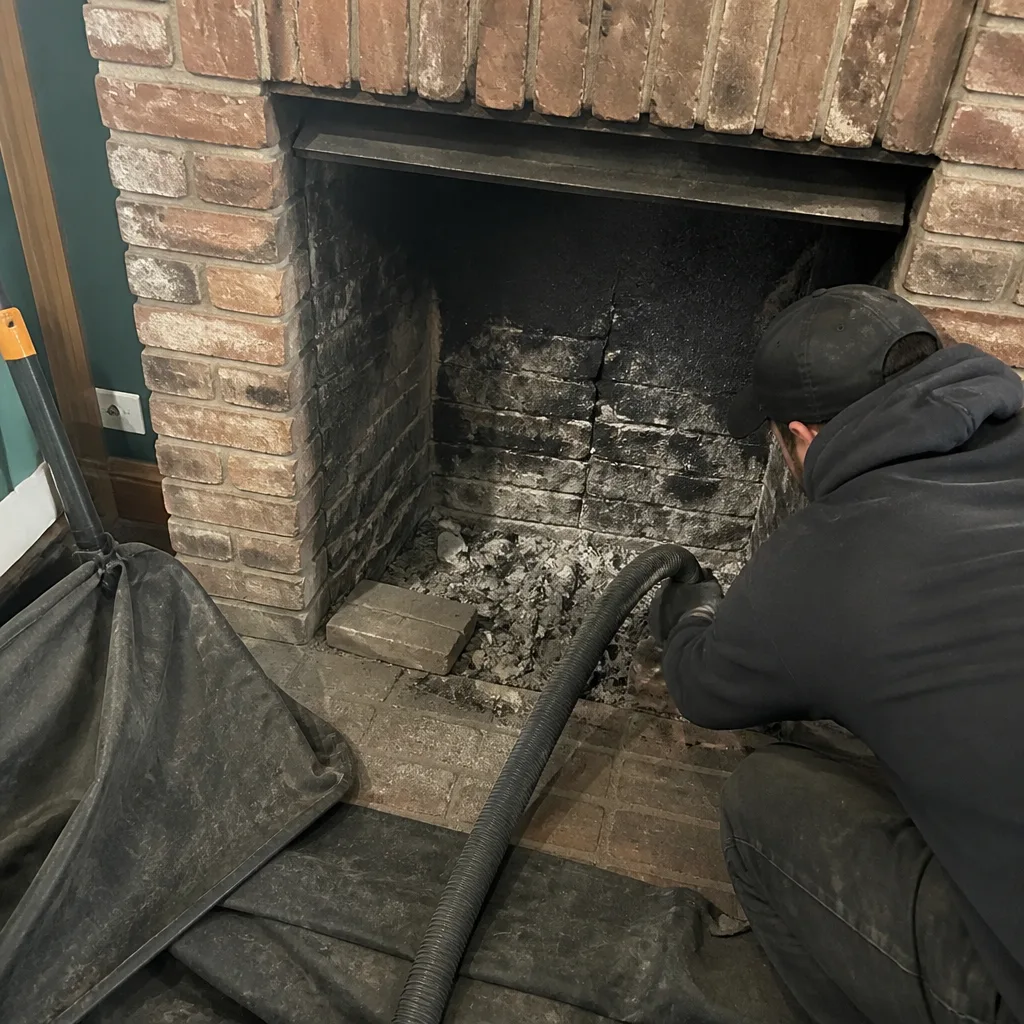 Before
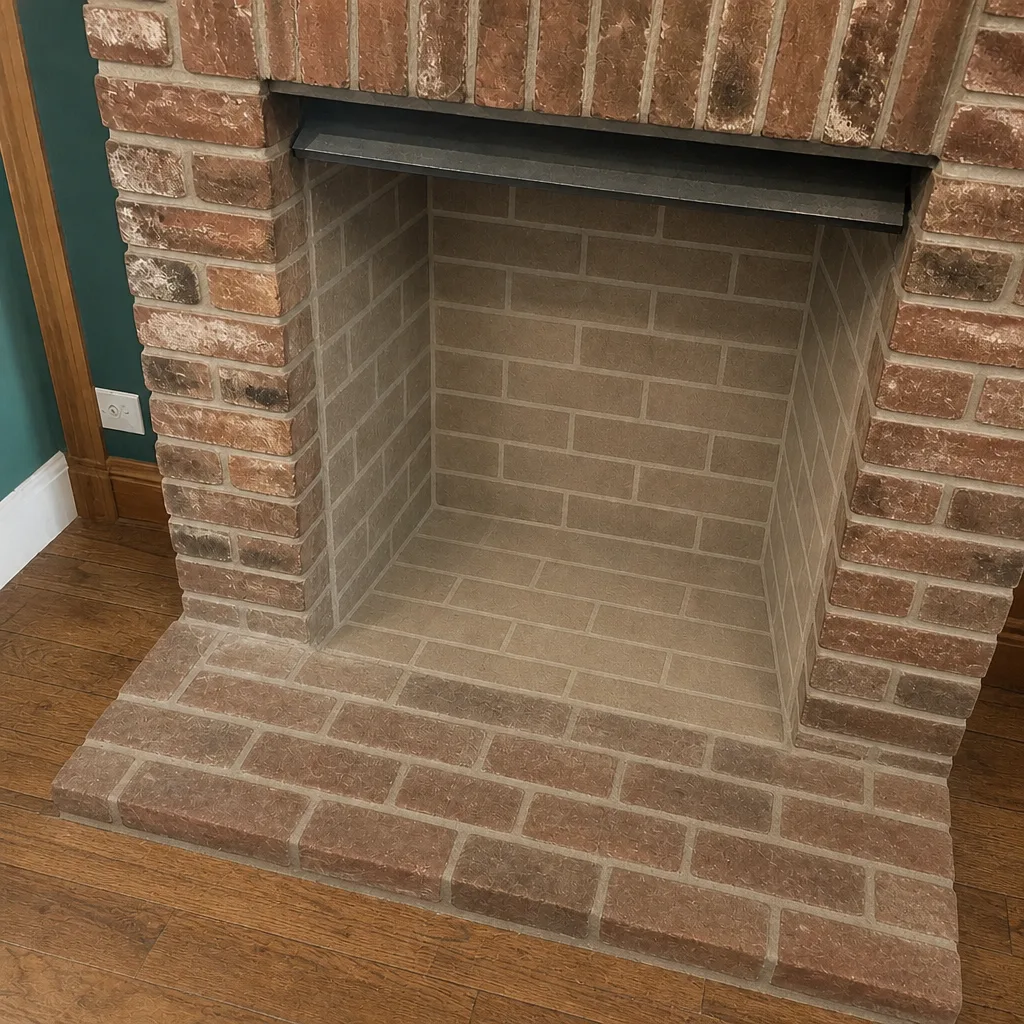 After
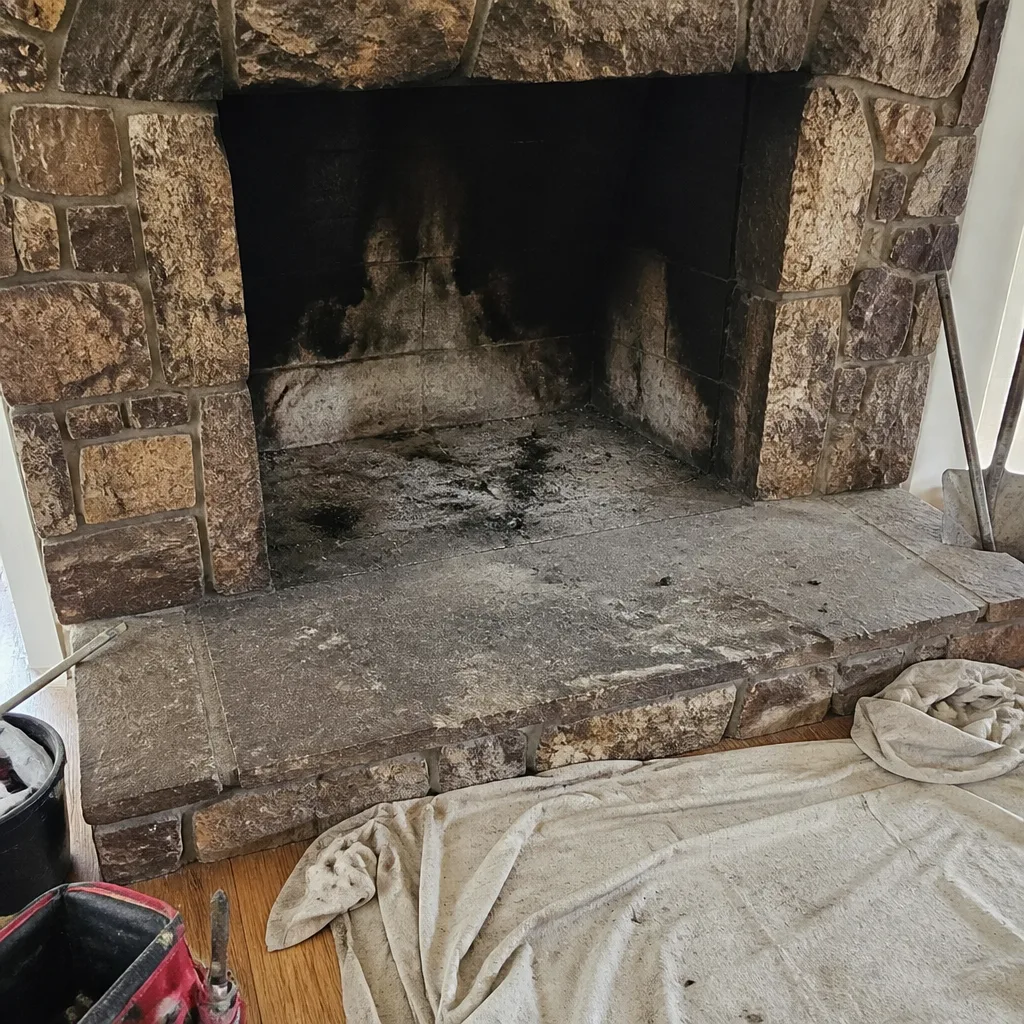 Before
 After
 Before
 After